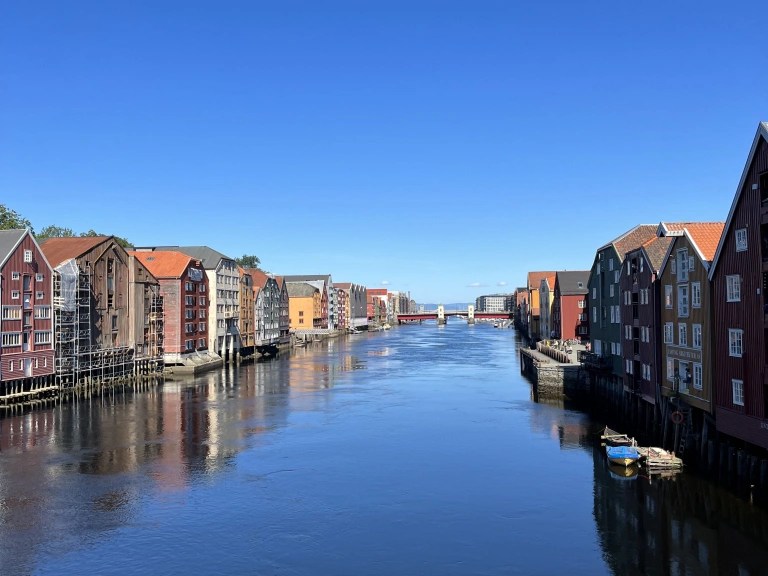
Trondheim, previously called Nidaros and Trondhjem, is a city and urban municipality in Trøndelag, and the third most populous municipality in Norway with 210,496 inhabitants in 2022 (Wikipedia). Trondheim was founded in AD 997. by Olav Tryggvason, and celebrated its thousandth anniversary in 1997. Archaeological finds indicate that there have also been settlements around the Nidelva’s outlet, and grave finds that confirm settlement on the Nidarneset in the center of today’s city center around 400 BC.
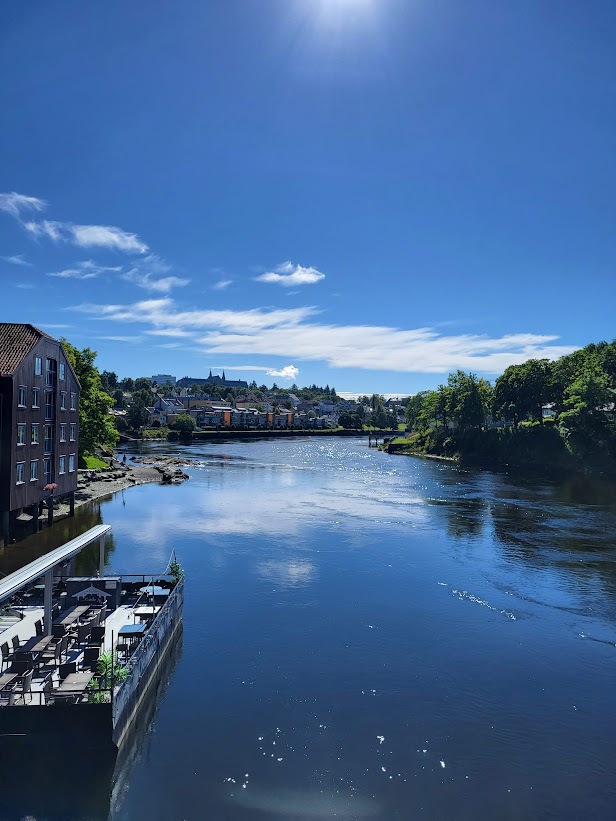
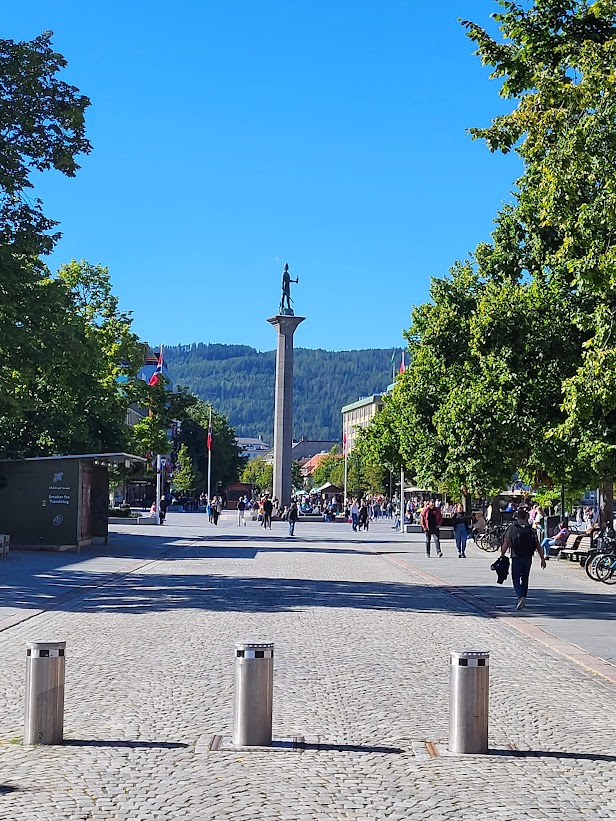
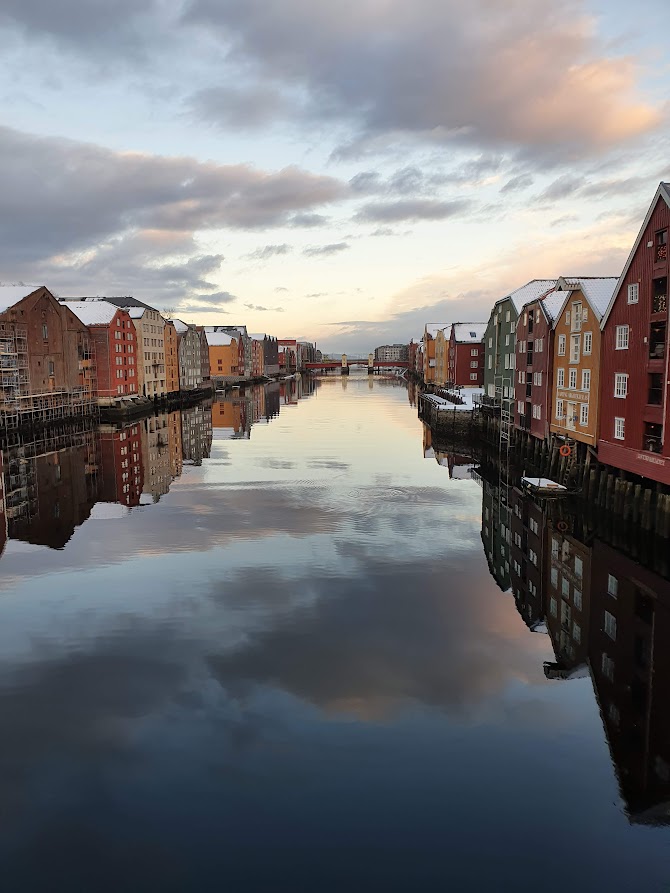
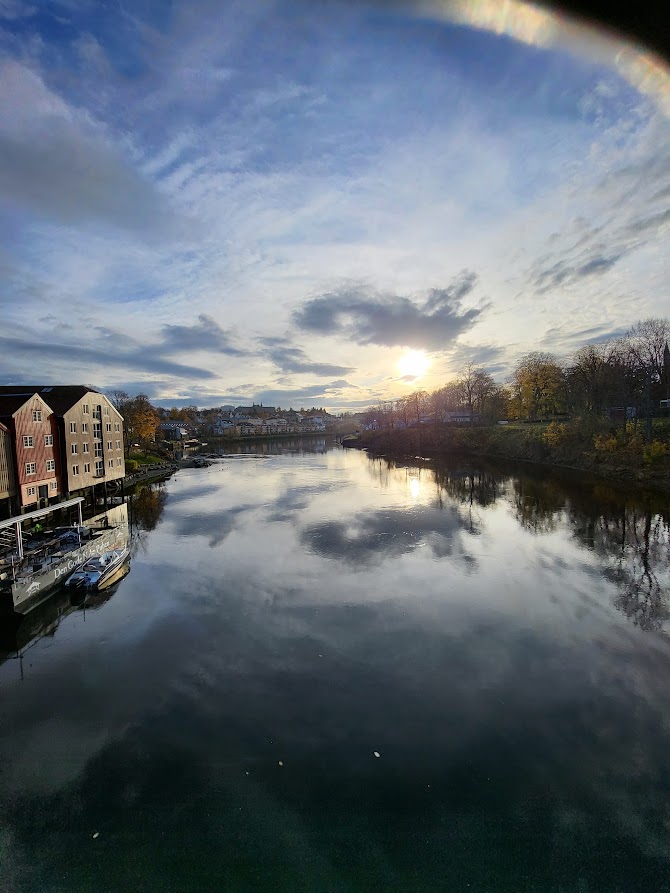
By the end of the 11th century, the city grew rapidly. A stone church was built at St. Olav’s burial ground, where the Nidaros cathedral is located today, and a bridge was also built over the river where Elgeseter bridge is now. There were a number of fires in Trondheim in 1219, 1295 and 1681 which led to parts of the city being reduced to ashes. Christian V then decided that a completely new town plan should be drawn up for Trondheim to prevent future fires from causing as much destruction. The task was given to the Luxembourgish Major General Johan Casper de Cicignon, who promoted a town plan with wide and straight streets with a central square. Despite this, there were several large fires throughout the 18th and 19th centuries. A law was therefore put forward to impose masonry on the town centre, but before it was passed the city was rebuilt with wooden buildings. Many of today’s wooden buildings date from the end of the 17th century. There was also an increase in trade at the time, which benefited the city. The city began to grow westwards, and the first settlement on Bakklandet arose. Trondheim has the longest contiguous wooden housing development in the Nordics, and is therefore called the «treehouse city». In addition to the wooden houses on Bakklandet, there are, among others, the fishing and working district of Ilsvikøra in the west, the rows of wharves and wooden houses in Nerbyn, the rows of wharves in Kjøpmannsgate, the wooden houses on Møllenberg, the workers’ housing on Lademoen and Reina in the east.
After the Second World War, large parts of the old buildings had to give way in favor of new commercial activities. Trondheim is a hub for rail, shipping and road transport, while the airport is located east of the city in Stjørdal municipality. It takes about 45 minutes by airbus from Trondheim city center to Trondheim Airport Værnes. Trondheim is the center for higher education and houses the largest campus of the country’s largest university, the Norwegian University of Science and Technology (NTNU). The city has approx. 33,000 students in 2022, and Trondheim has been named Norway’s best student city several times. (Wikipedia; Google translated).
Sights in Trondheim
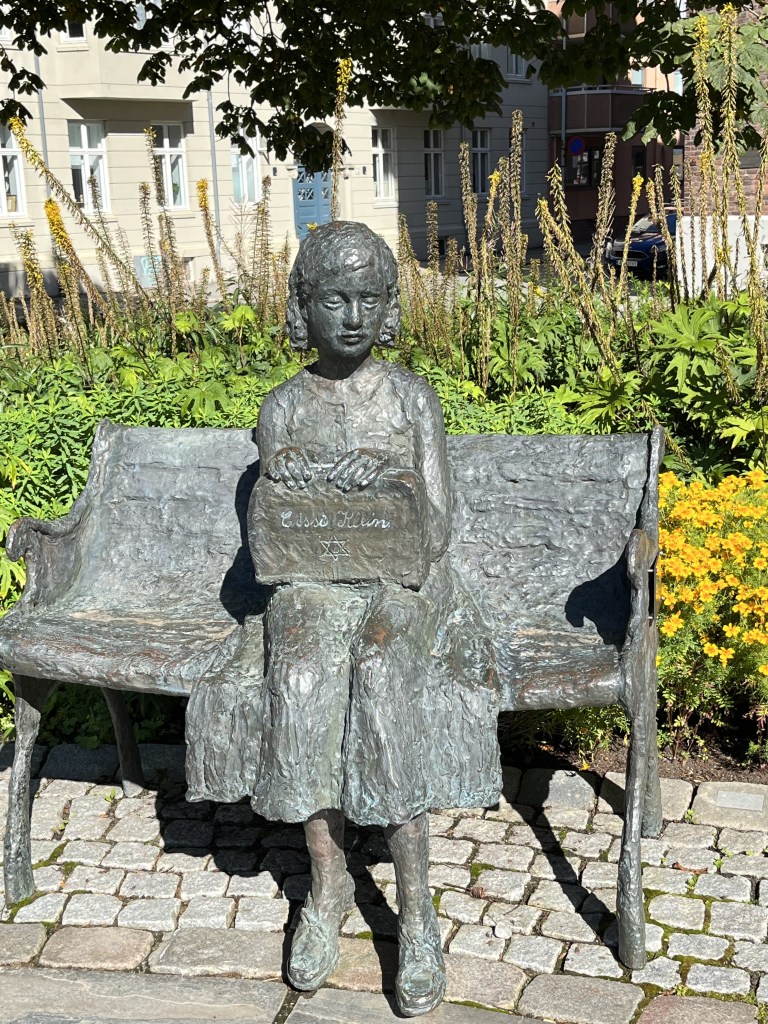
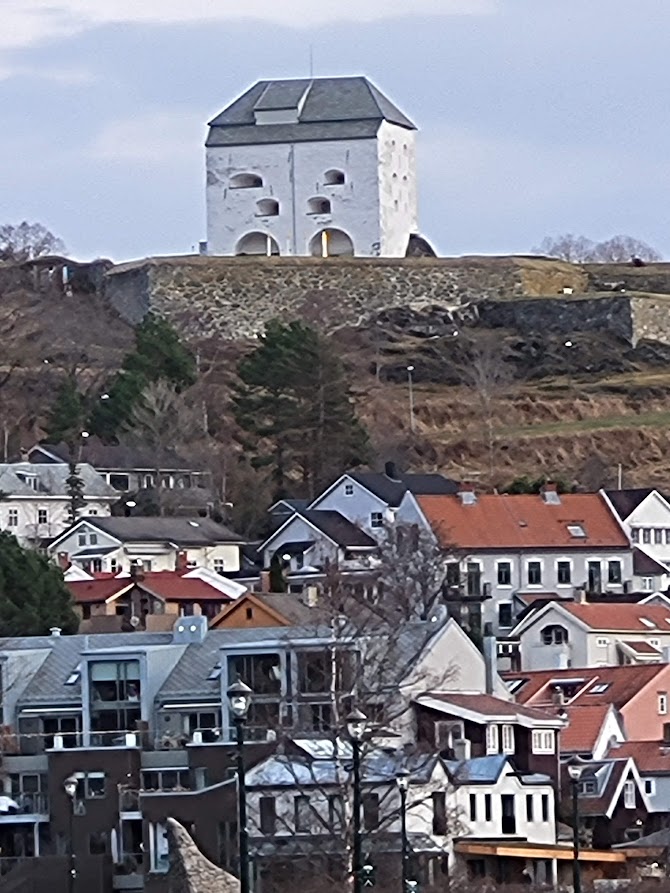
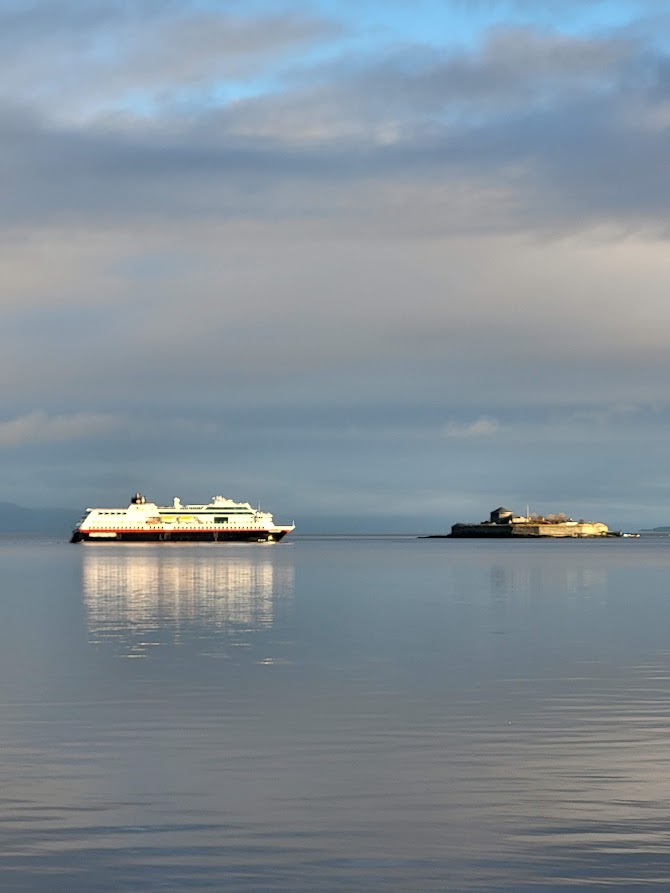
We choose here to briefly mention some of all the great sights we have in our hometown of Trondheim. Apart from the wooden buildings that have already been mentioned, we would like to mention, among others: Nidaros Cathedral, which was built between 1070 and 1300, and is Norway’s most central church by virtue of being the burial church of Saint Olav. The constitution of 1814 stipulated that it should be the coronation church for Norway’s regent. It no longer applies, but it has been used since 1958 for the signature of the royals. Nidaros Cathedral, Olav the Saint’s burial church, is also a destination for those who walk the pilgrimage route. Munkholmen is a small island located approximately 2 kilometers outside the center of Trondheim. One hears of Munkholmen in Snorre when it was called Nidarholm and was used as a court. It was named Munckholmen in the 17th century, and Munckholm fortress was built and used as a state prison. Today, Munkholmen is a popular resort with bathing areas, craft shop, restaurant and more. A boat goes there every hour from Ravnkloa in the summer, and is popular both with the town’s population and as a tourist destination. Kristiansten fortress was built in 1682-1684 by order of Christian V, as part of the reconstruction after the town fire in 1682. The design of the fortifications was carried out by Johan Casper de Cisignon and Quartermaster General Anthony Coucheron. Kristiansten is owned by the state and is protected under the Cultural Heritage Act. The Archbishop’s Palace is a stone castle complex located right next to Nidaros Cathedral. It is the oldest profane stone building in the Nordic region, and has a complex building history that spans more than 600 years. It may have been begun by Archbishop Øystein Erlendsson as early as 1161. It was the Archbishop’s residence and administrative center until the Reformation in 1537. The Archbishop’s Manor is under constant exploration and development. Stiftsgården is the Nordic region’s largest wooden pole with associated ornamental garden in the center of Trondheim. It was one of the large wooden palaces in the city in the latter part of the 18th century, and is also among the largest wooden buildings in the Nordic region. The palace was built as a private residence by Secret Councilor Cecilie Christine von Schøller in a style in the transition between Rococo and Classicism. Stiftsgården has been the center of a number of royal events, and today acts as the official residence for the King when he visits the city, so also has disposal rights to it. Cissi Pera Klein (1929–1943) was a Norwegian Jewish girl who became a victim of the Holocaust. She was 13 when she was arrested in the classroom at Kalvskinnet school in 1942 and was sent to the gas chambers and killed. The statue of her standing in the park was unveiled in 1997. The statue was made by artists Tore Bjørn Skjølsvik and Tone Ek. Cissi Klein is remembered every year in her hometown of Trondheim.
Trondheim has a number of cultural institutions and museums, only Trøndelag Folkemuseum, Sverresborg, which was built in 1914, and is the area around King Sverre’s old castle, Sion, is mentioned here. The castle ruins are today the center of Trøndelag Folkemuseum. It is a large cultural history museum that has a rural section as well as a city section, the old town, with buildings from the center of Trondheim. The museum has a large number of antiquarian buildings, including a stave church from Haltdalen from 1170, but otherwise buildings from the 18th and 19th centuries. Ringve museum is Norway’s national museum for music and musical instruments. The museum is based on Victoria Bachke’s private collections, and was opened to the public in 1952. Today, the museum has a collection that includes approximately 2,000 instruments from all over the world. Rockheim – The national museum for popular music, which was established in 2010, is Norway’s national museum for popular music from the 1950s to the present day. The main task is to collect and pass on Norwegian popular music through an exhibition that is set up as a journey through recent Norwegian music and cultural history. (Wikipedia). Rosenborg Ballklubb (RBK) is Trondheim’s football club. You can probably say that it has so far been Norway’s most successful club, which has won the Norwegian elite series 24 times and the Norwegian men’s football championship nine times. RBK has also played in UEFA tournaments, played in the Mesterligaen and in the Royal League. There are many more art and cultural institutions, museums and sights that we have not mentioned here. Trondheim is a beautiful city that we are proud of and that is absolutely worth visiting. (Wikipedia; Google translated)
Norsk:
Trondheim, tidligere kalt Nidaros og Trondhjem, er en by og bykommune i Trøndelag, og den tredje mest folkerike kommunen i Norge med 210 496 innbyggere i 2022 (Wikipedia). Trondheim ble grunnlagt i 997 e. Kr. av Olav Tryggvason, og feiret sitt tusenårsjubileum i 1997. Arkeologiske funn tyder på at det også har vært bosettinger rundt Nidelvas utløp, og gravfunn som bekrefter bosetting på Nidarneset sentralt i dagens bykjerne rundt 400 f. Kr.
Ved slutten av 1000-tallet vokste byen raskt. Det ble anlagt en steinkirke ved St. Olavs gravplass, hvor Nidarosdomen ligger i dag, og likedan ble det da anlagt en bro over elven der Elgeseter bro ligger nå. Det var en rekke branner i Trondheim i 1219, 1295 og 1681 som førte til at deler av byen ble lagt i aske. Christian V bestemte da at det skulle legges en helt ny byplan for Trondheim for å forhindre fremtidige branner fra å skape like stor ødeleggelse. Oppgaven ble gitt til den luxemburgske generalmajoren Johan Casper de Cicignon, som fremmet en byplan med brede og rette gater med et sentralt torg. Til tross for dette ble det flere store branner gjennom 1700- og 1800-tallet. Det ble derfor fremmet en lov om murtvang på sentrumsbebyggelsen, men før det ble vedtatt ble byen gjenoppbygd med trebebyggelse. Mange av dagens trehusbebyggelser stammer fra slutten av 1600-tallet. Det ble også økt handelsvirksomhet på den tiden som kom byen til gode. Byen begynte å vokse vestover, og den første bebyggelsen på Bakklandet oppsto. Trondheim har den lengste sammenhengende trehusbebyggelsen i Norden, og kalles derfor for «trehusbyen». I tillegg til trehusene på Bakklandet finnes blant andre fiske- og arbeiderstrøket Ilsvikøra i vest, bryggerekkene og trehusbebyggelsen i Nerbyn, bryggerekkene i Kjøpmannsgate, trehusene på Møllenberg, arbeiderboligene på Lademoen og Reina i øst.
Etter andre verdenskrig måtte store deler av den gamle bebyggelsen vike til fordel for ny næringsvirksomhet. Trondheim er knutepunkt mellom jernbane, skipstrafikk og veitransport, mens flyplassen ligger øst for byen i Stjørdal kommune. Det tar ca 45 minutter med flybuss fra Trondheim sentrum til Trondheim lufthavn Værnes. Trondheim er sentrum for høyere utdanning og huser den største campusen på landets største universitet, Norges teknisk-naturvitenskapelige universitet (NTNU). Byen har ca. 33 000 studenter i 2022, og Trondheim har flere ganger blitt kåret til Norges beste studieby. (Wikipedia).
Severdigheter i Trondheim Vi velger her å nevne kort noen av alle de flotte severdighetene vi har i vår hjemby Trondheim. Bortsett fra trehusbebyggelsen som allerede er nevnt, vil vi blant andre nevne: Nidarosdomen som ble bygd mellom 1070 og 1300, og er Norges mest sentrale kirke i kraft av å være Olav den helliges gravkirke. Grunnloven av 1814 slo fast at den skulle være kroningskirken for Norges regent. Det gjelder ikke lenger, men den har blitt brukt siden 1958 til signing av de kongelige. Nidarosdomen, Olav den helliges gravkirke, er dessuten et mål for de som går pilegrimsleden. Munkholmen som er en liten øy som ligger cirka 2 kilometer utenfor Trondheim sentrum. En hører om Munkholmen i Snorre da den het Nidarholm og ble brukt som rettersted. Den fikk navnet Munckholmen på 1600-tallet, og Munckholm festning ble anlagt og brukt som statsfengsel. I dag er Munkholmen et populært utfartssted med badeplasser, håndverksbutikk, restaurant med mer. Det går båt dit hver time fra Ravnkloa i sommerhalvåret, og er populært både for byens befolkning og som turistmål. Kristiansten festning ble anlagt i 1682-1684 etter ordre fra Christian V, som et ledd i gjenoppbyggingene etter bybrannen i 1682. Utformingen av festningsanleggene ble utført av Johan Casper de Cisignon og generalkvartermester Anthony Coucheron. Kristiansten eies av staten og er fredet etter kulturminneloven. Erkebispegården er et slottsanlegg i stein som ligger rett ved siden av Nidarosdomen. Den er Nordens eldste profane steinbygning, og har en sammensatt bygningshistorie som spenner over mer enn 600 år. Den kan ha vært påbegynt av erkebiskop Øystein Erlendsson allerede i 1161. Den var erkebiskopens bolig og administrative sentrum inntil reformasjonen i 1537. Erkebispegården er under stadig utforskning og utvikling. Stiftsgården er Nordens største trepale med tilhørende prydhave i Midtbyen i Trondheim. Det var et av de store trepaleene i byen i siste del av 1700-tallet, og er også blant de største trebygningene i Norden. Paleet ble oppført som privatbolig av geheimrådinne Cecilie Christine von Schøller i en stilart i overgangen mellom rokokko og klassisme. Stiftsgården har vært sentrum for en rekke kongelige begivenheter, og fungere i dag som den offisielle residensen for Kongen når han besøker byen, so også har disposisjonsrett til den. Cissi Pera Klein (1929–1943) var ei norsk jødisk jente som ble offer for holocaust. Hun var 13 år da hun ble arrestert i klasserommet på Kalvskinnet skole i 1942 og ble sendt til gasskamrene og drept. Statuen av henne som står i parken på ble avduket i 1997. Statuen ble laget av kunstnerne Tore Bjørn Skjølsvik og Tone Ek. Cissi Klein blir hvert år minnet i hjembyen Trondheim.
Trondheim har en rekke kulturinstitusjoner og museer, her nevnes kun Trøndelag Folkemuseum, Sverresborg, som ble anlagt i 1914, og er området rundt Kong Sverres gamle borg, Sion. Borgruinene er i dag sentrum i Trøndelag Folkemuseum. Det er et stort kulturhistorisk museum som har en bygdeavdeling samt en byavdeling, gamlebyen, med bygninger fra Trondheim sentrum. Museet har et stort antall antikvariske bygninger, blant andre en stavkirke fra Haltdalen fra 1170, men ellers bygninger fra 1700- og 1800-tallet. Ringve museum er Norges nasjonale museum for musikk og musikkinstrumenter. Museet bygger på Victoria Bachkes private samlinger, og ble åpnet for publikum i 1952. Museet har i dag en samling som omfatter cirka 2000 instrumenter fra hele verden. Rockheim – Det nasjonale museet for populærmusikk som ble etablert i 2010, er Norges nasjonale museum for populærmusikk fra 1950-tallet og frem til i dag. Hovedoppgaven er å samle og videreformidle norsk populærmusikk gjennom en utstilling som er lagt opp som en reise gjennom nyere norsk musikk og kulturhistorie. (Wikipedia). Rosenborg Ballklubb (RBK) er Trondheims fotballklubb. En kan vel si at den at den så langt har vært Norges mest suksessfulle klubb, som har vunnet den Norske eliteserien 24 ganger og Norgesmesterskapet i fotball for menn ni ganger. RBK har dessuten spilt UEFA-turneringer, spilt i Mesterligaen samt i Royal League. Det er mange flere kunst- og kulturinstitusjoner, museer og severdigheter som vi ikke har nevnt her. Trondheim er en vakker by som vi er stolte av og som absolutt er verdt å besøke.
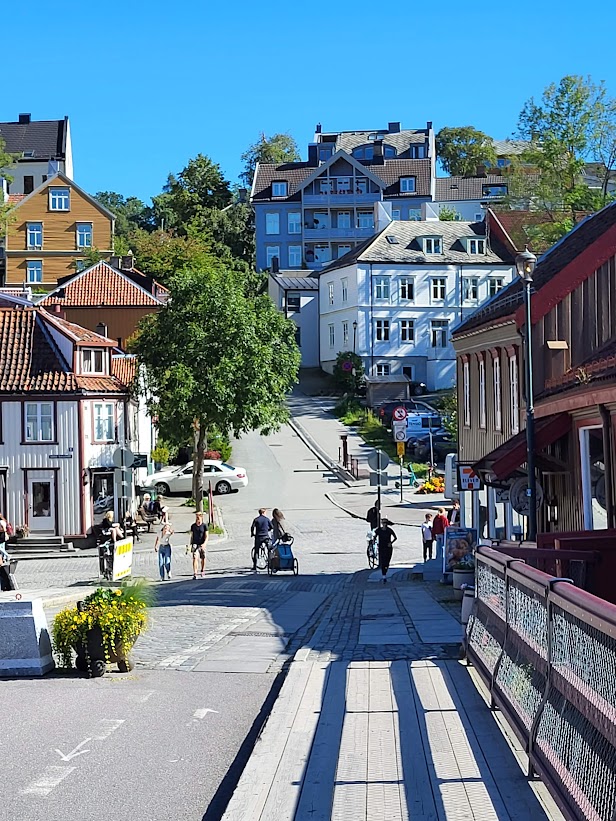




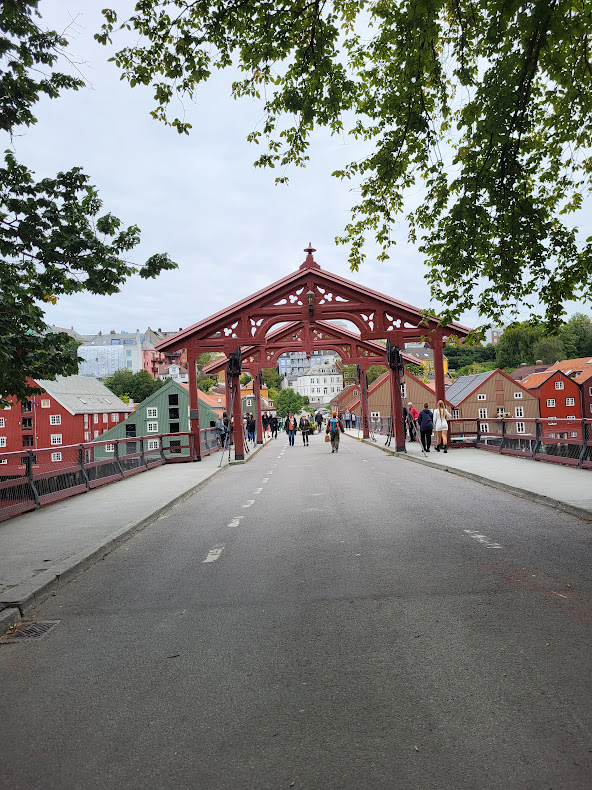
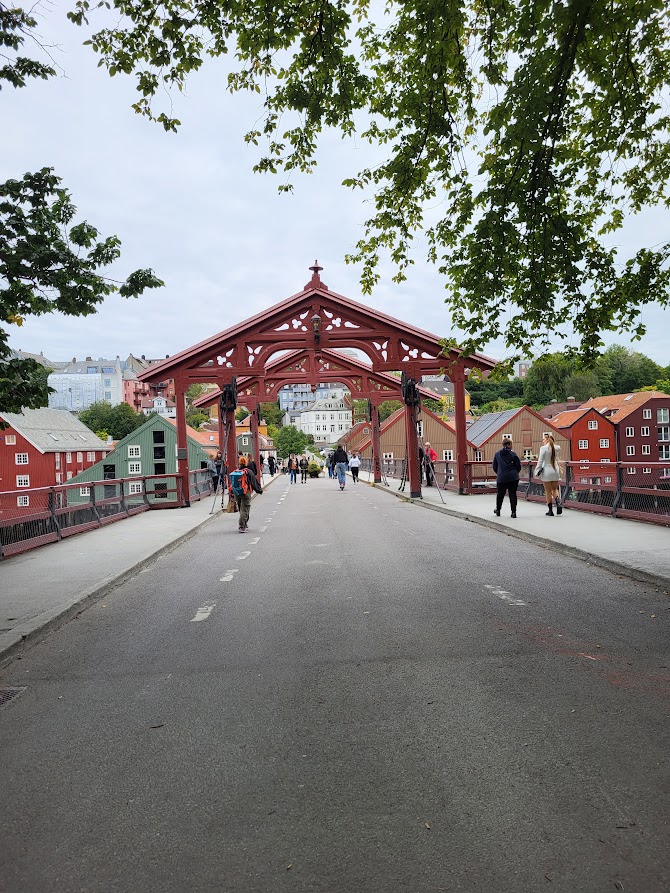
(Gamle bybro)


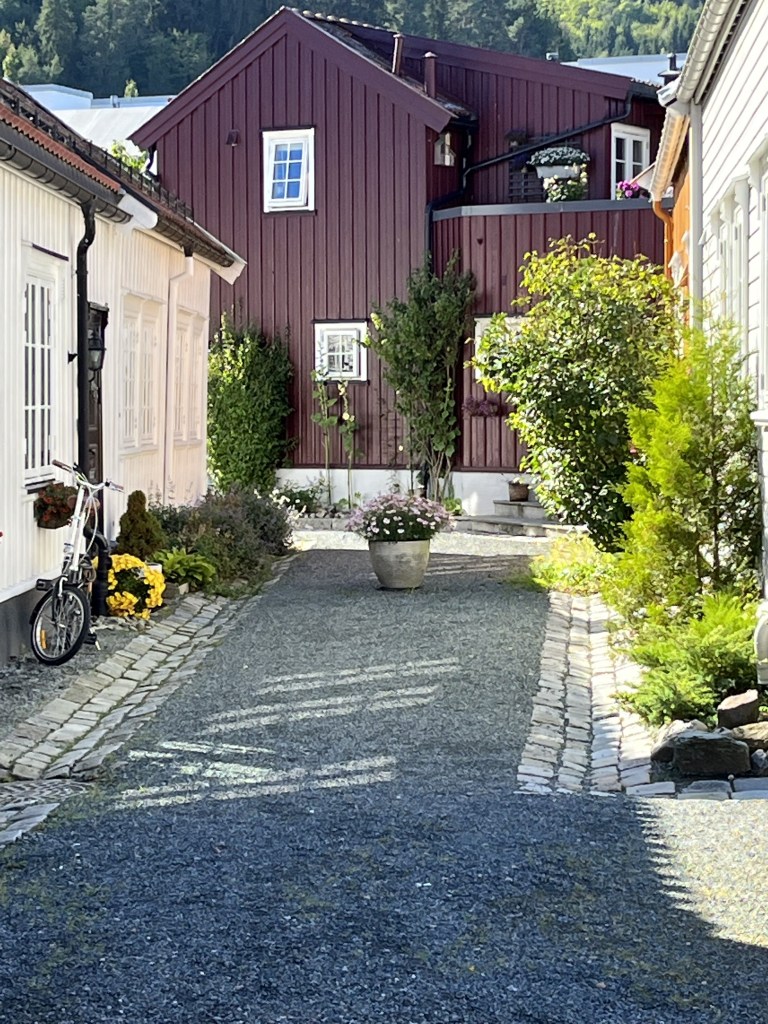


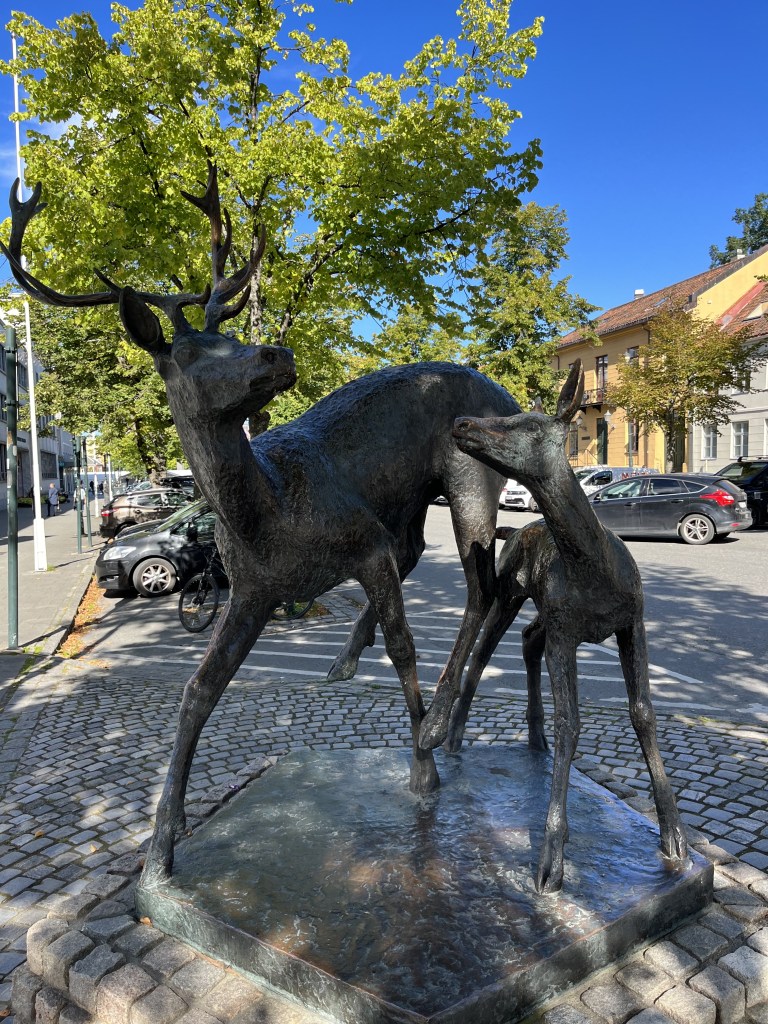
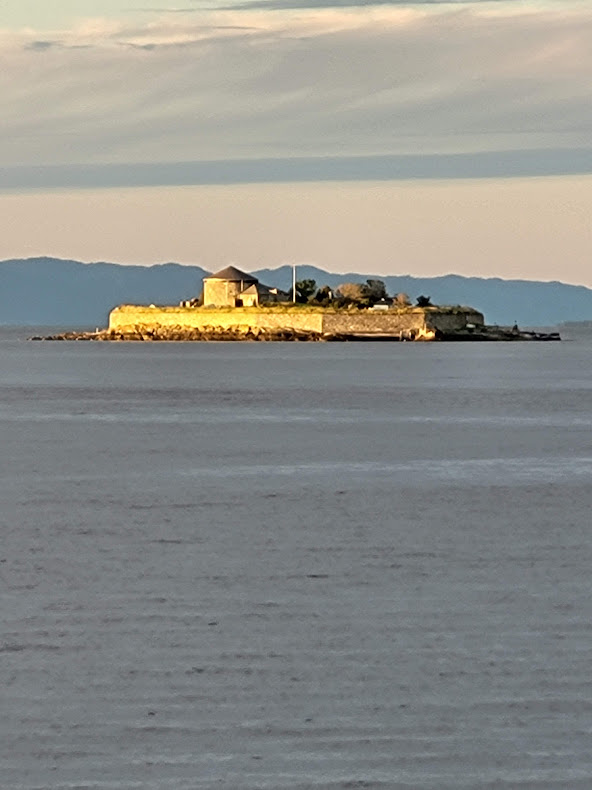



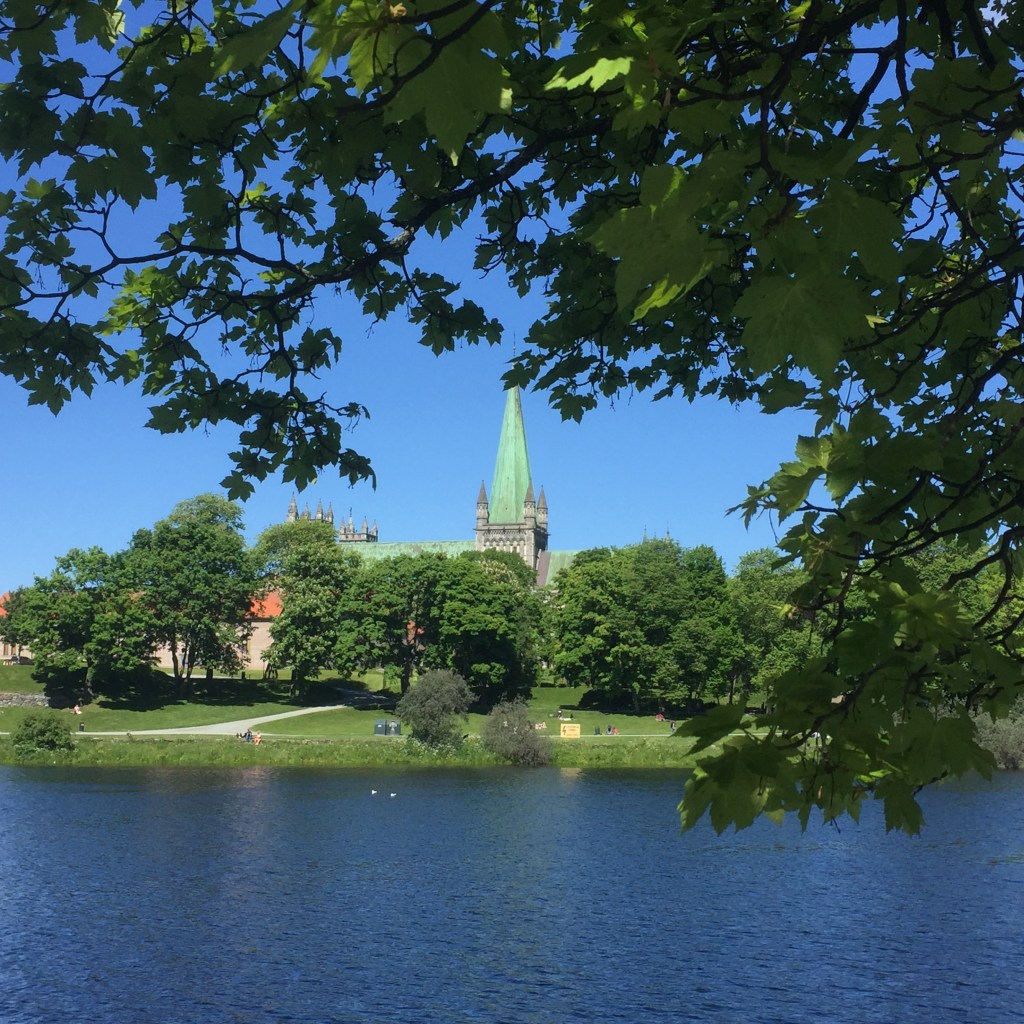
(Domkirketårnet sett fra Nidelven)

(Rød benk på Gamle bybro)



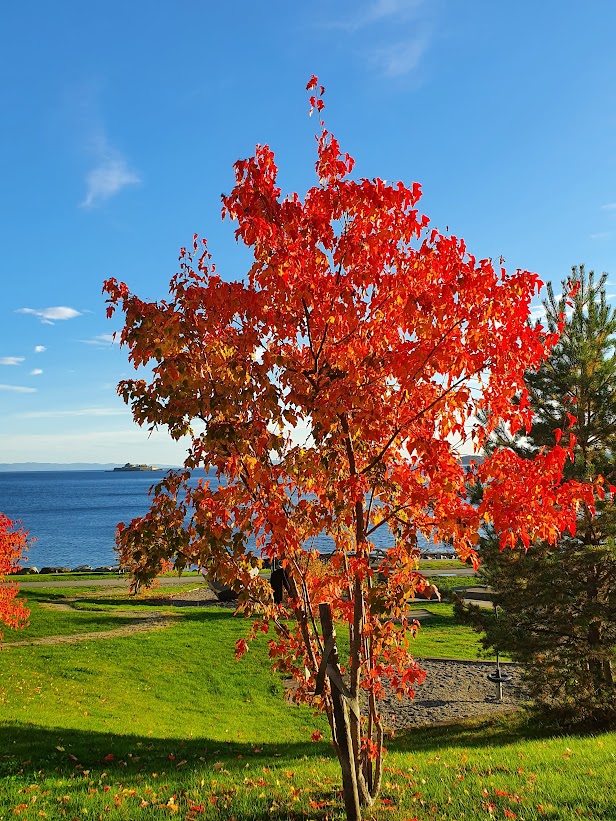
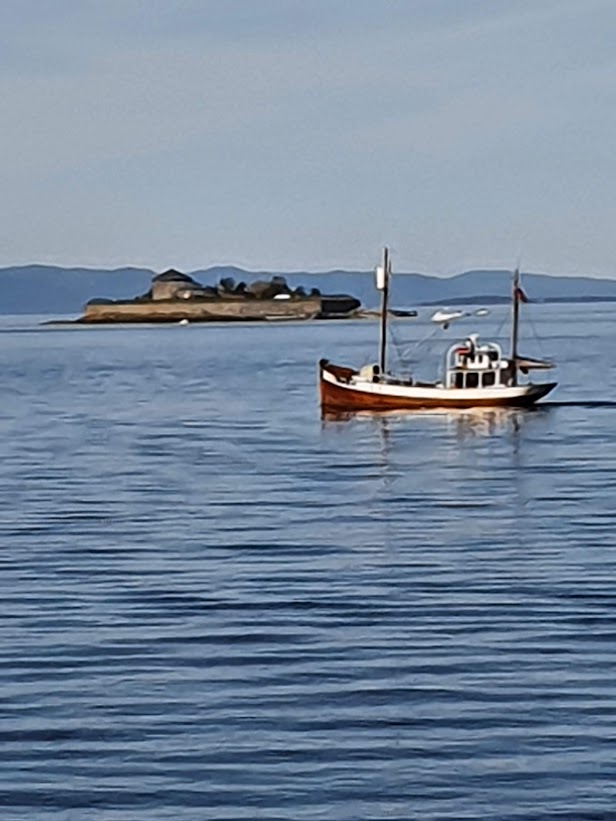

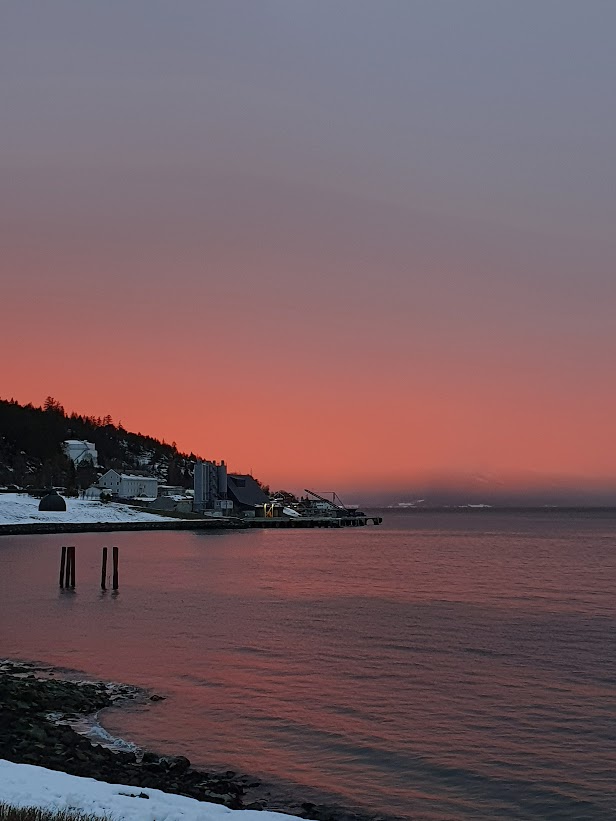
(Solnedgang i Ilsvika)

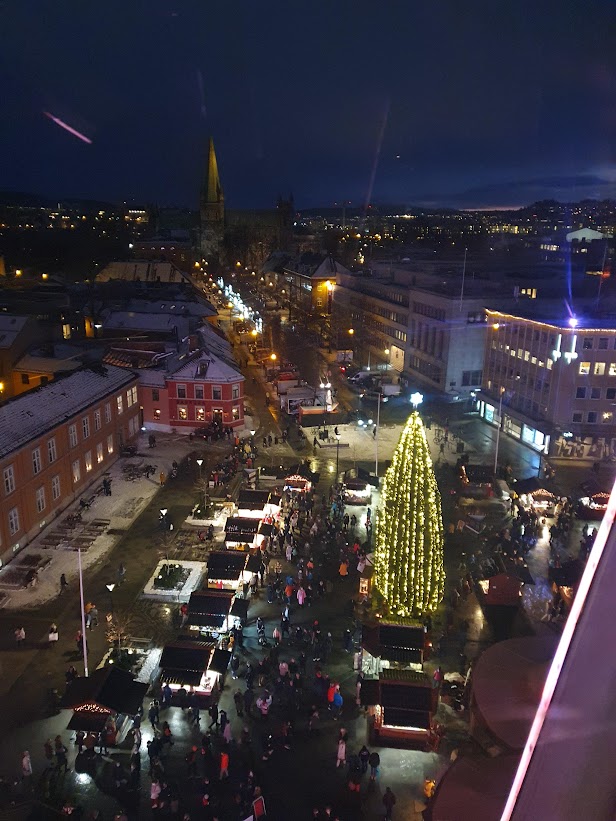
Trondheim city center


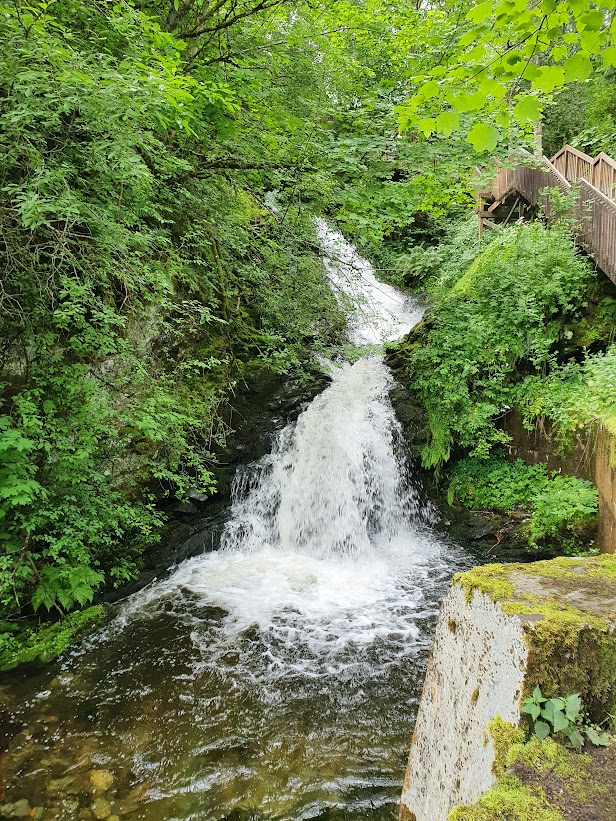


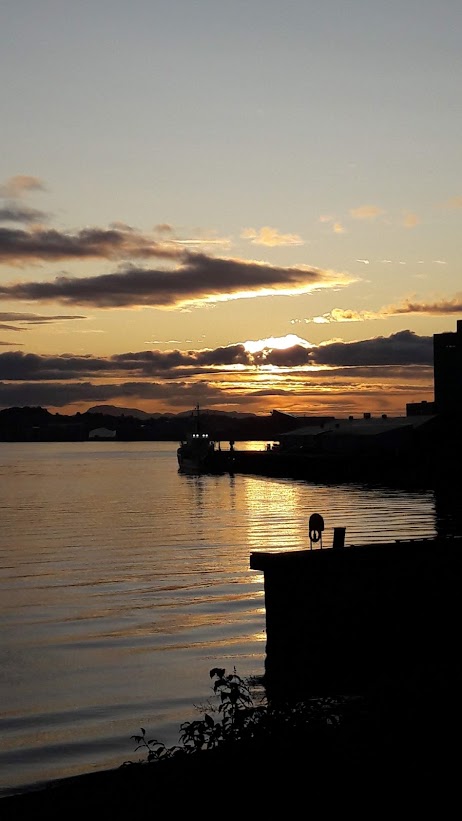
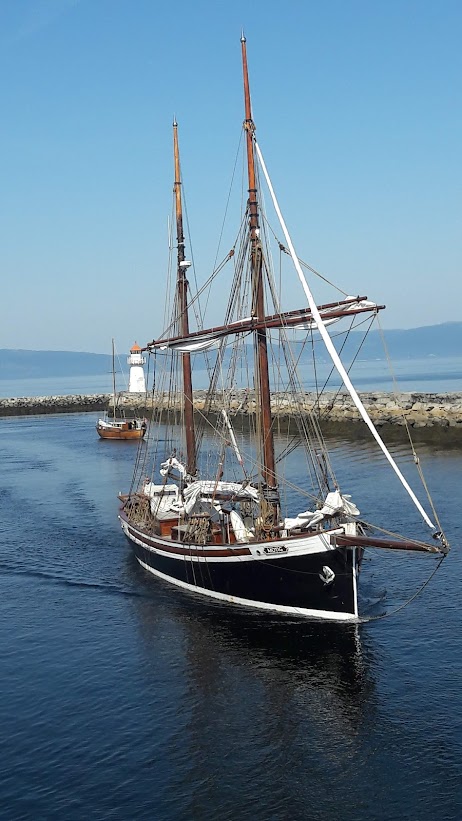
(Fra havnen)


(Fra havnen)
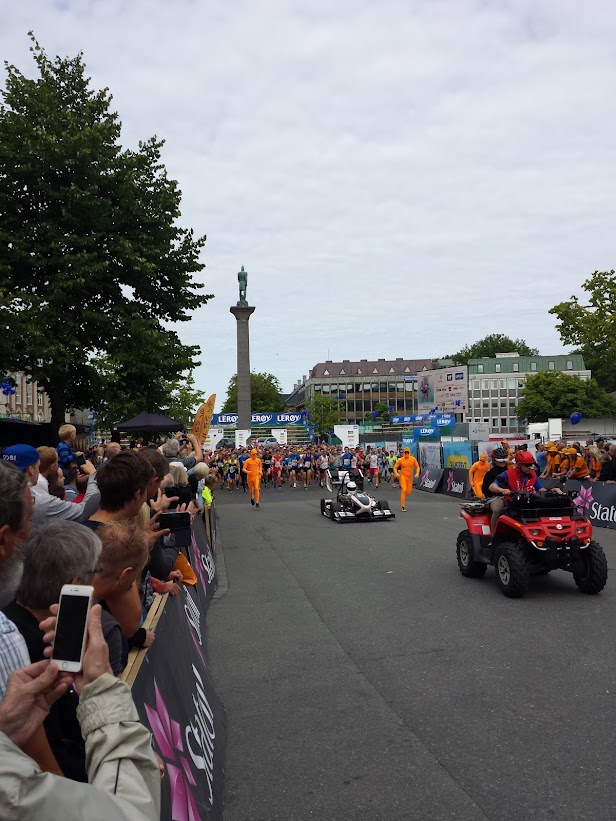










(Lykkens portal)

(Vår Frues kirke)

in winter costume



 Vår vidunderlige verden