
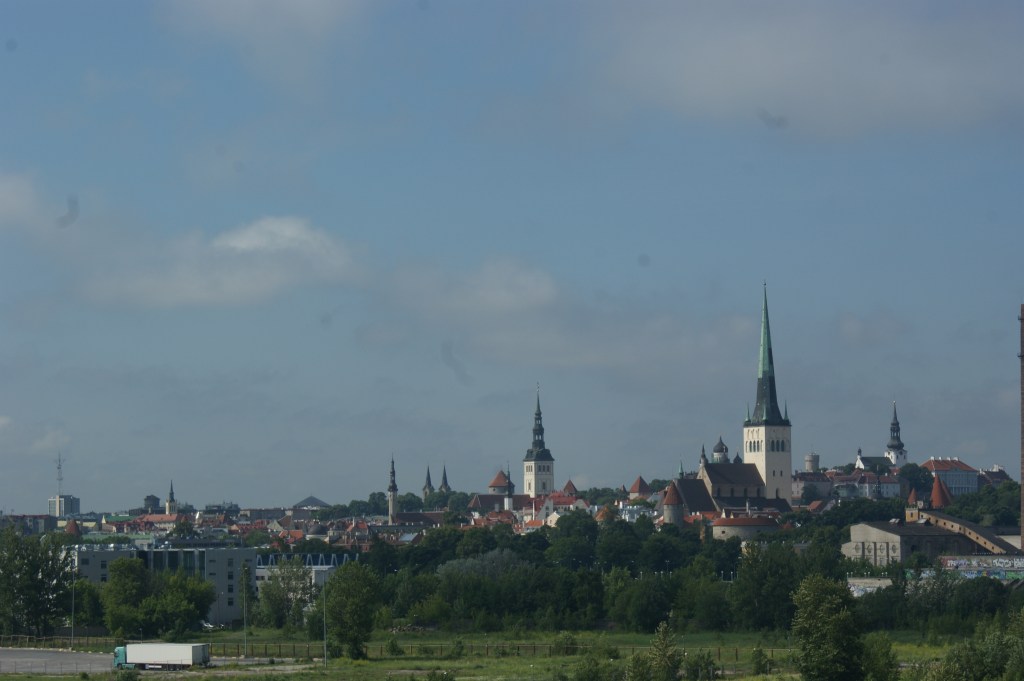
Tallinn is the capital and largest port city in Estonia, with 438,341 inhabitants in 2021 (Wikipedia). Tallinn is one of Northern Europe’s best-preserved medieval cities. The old town of Tallinn, «Vanalin», which was formerly a Hanseatic city and the center of the region’s trade in the Middle Ages, then experienced a period of greatness. Despite the fact that the old town has been subjected to attacks, looting, bombing and demolition over the years, it is considered one of the best preserved old towns in Europe. It was listed on the UNESCO World Heritage List in 1997. In 2011, Tallinn became the European Capital of Culture.
It is unknown when the city was founded, but in 1154 Tallinn was listed on the world map drawn by the Arab cartographer al-idrisi on behalf of King Roger of Sicily. In 1285, the town was a member of the Hanseatic League, a trading organization that originated in the German city of Lubeck in the 13th century. In 1918, the declaration of independence was proclaimed in Tallinn, and the city became the capital of the independent state of Estonia. The declaration of independence was followed by a German occupation and a war of liberation against Russia (Soviet Union), which forever promised to recognize Estonia’s independence.
During the Second World War, Estonia was first occupied by the Soviet Union in 1940-1941, then by Germany in 1941-1944 and again by the Soviet Union in 1944. After the end of the war, Estonia was annexed by the Soviet Union, and Tallinn became the capital of the Estonian Soviet Socialist Republic. Estonia gained independence in 1991. Today, Tallinn is a dynamic growth center in the Baltic Sea region, and the city has in many ways succeeded after the upheavals that followed the fall of the Soviet Union in a relatively successful way. (Wikipedia; Google translated).
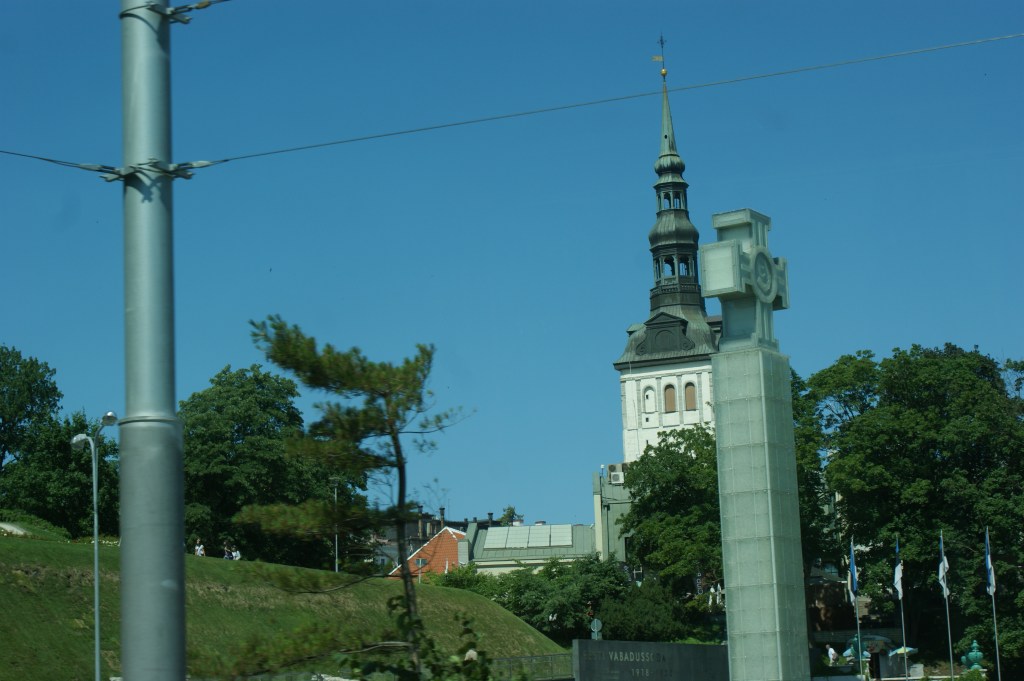
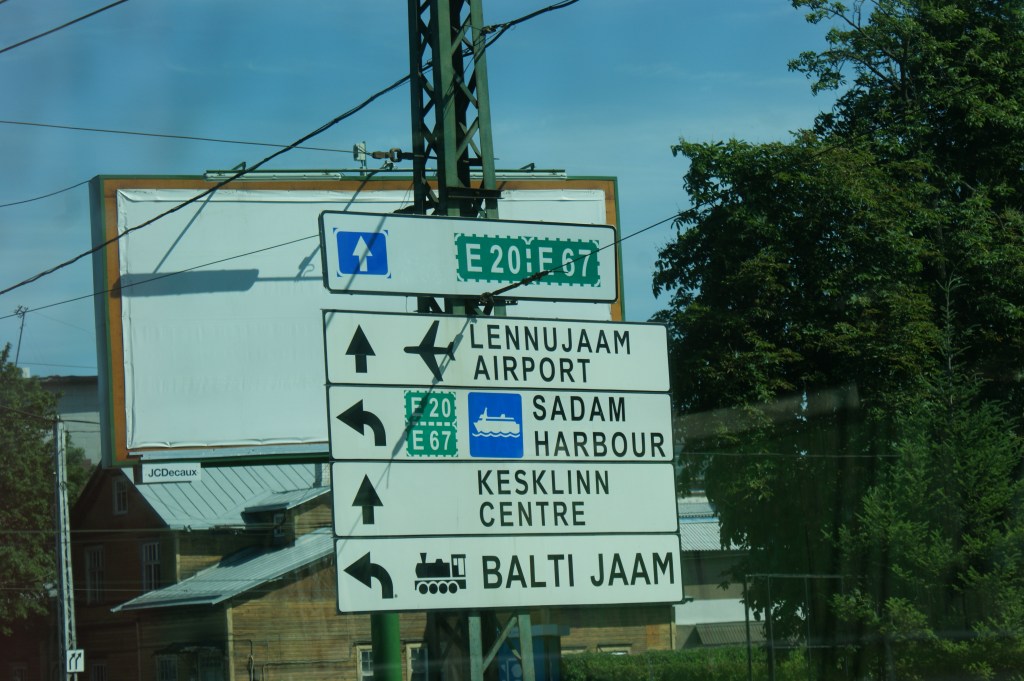
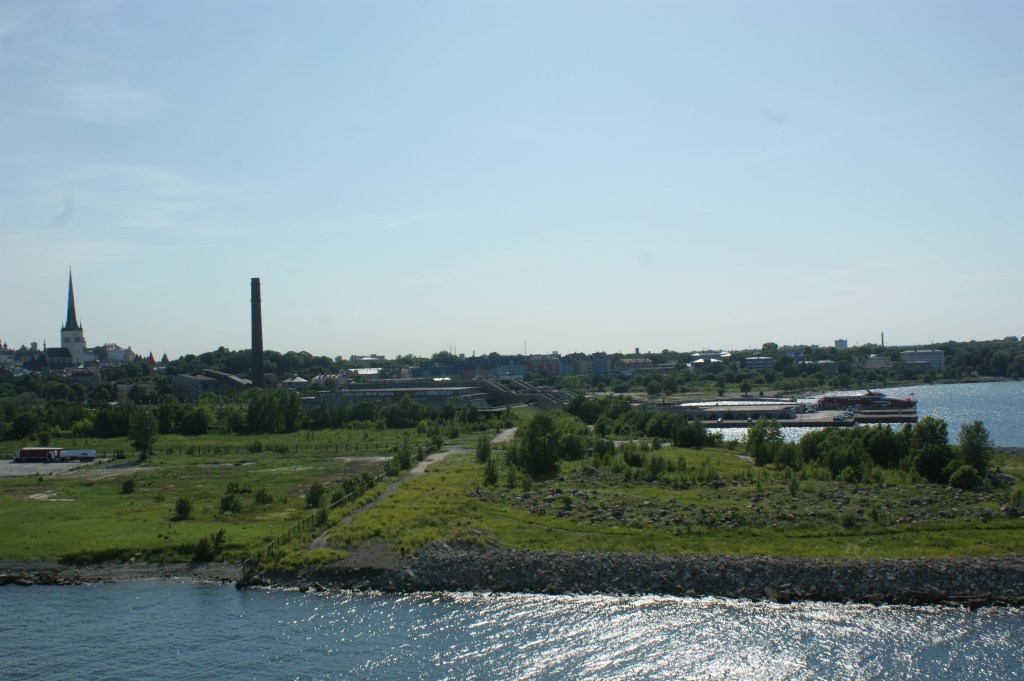
We visited Tallinn in 2011 in connection with our cruise from Copenhagen, Denmark to St. Petersburg in Russia. Among other things, we visited the old town, which has a lot to offer in terms of crafts and art. It was very pleasant to walk in the narrow streets where the craft shops were lined up. Here we could both see and buy the beautiful craftsmanship that the producers had to offer from textile art, glass art, ceramics, wrought iron, knitwear and more. The goods were also reasonably priced in relation to Norwegian prices. We ate a delicious lunch at one of the many pleasant cafes there. We absolutely recommend a trip to Tallinn with a visit to the old town.
Norsk:
Tallin er hovedstaden og den største havnebyen i Estland, med 438 341 innbyggere i 2021 (Wikipedia). Tallin er en av Nord-Europas best bevarte middelalderbyer. Gamlebyen i Tallin,» Vanalin», som tidligere var en hansaby og senter for regionens handel i middelalderen, opplevde da en storhetstid. Til tross for at gamlebyen gjennom tidene har vært utsatt for angrep, plyndring, bombing og rasering, anses den som en av de best bevarte gamlebyene i Europa. Den ble oppført på UNESCO’s verdensarvliste i 1997. I 2011 ble Tallin europeisk kulturhovedstad.
Det ukjent når byen ble grunnlagt, men i 1154 var Tallin oppført på verdenskartet som ble tegnet av den arabiske kartografen al-idrisi på oppdrag fra kong Roger av Sicilia. I 1285 var byen medlem av Hansaforbundet, en handelsorganisasjon med utspring i den tyske byen Lubeck på 1200-tallet. I 1918 ble uavhengighetserklæringen proklamert i Tallin, og byen ble hovedstad i den uavhengige staten Estland. Uavhengighetserklæringen ble etterfulgt av en tysk okkupasjon og en frigjøringskrig mot Russland (Sovjetunionen), som for alltid lovte å anerkjenne Estlands uavhengighet.
Under andre verdenskrig ble Estland først okkupert av Sovjetunionen i 1940 -1941, deretter av Tyskland i 1941-1944 og igjen av Sovjetunionen i 1944. Estland ble etter krigens slutt annektert av Sovjetunionen, og Tallin ble hovedstaden i Den estiske sosialistiske sovjetrepublikk. Estland oppnådde selvstendighet i 1991. I dag utgjør Tallin et dynamisk vekstsenter i Østersjøregionen, og byen har på mange måter lykkes etter omveltningene som fulgte Sovjetunionens fall på en relativt vellykket måte. (Wikipedia).
Vi var innom Tallin i 2011 i forbindelse med at vi var på cruise fra København, Danmark til St. Petersburg i Russland. Vi besøkte blant annet gamlebyen som har mye å by på innen håndverk og kunst. Det var veldig koselig å gå i de smale gatene hvor håndverksbutikkene lå på rekke og rad. Her kunne vi både se og kjøpe det vakre håndverket som produsentene hadde å by på av tekstilkunst, glasskunst, keramikk, smijern, strikkevarer med mer. Varene var også rimelig sett i relasjon til norske priser. Vi spiste en deilig lunch på en av de mange trivelige kafeene der. Vi anbefaler absolutt en tur til Tallin med besøk i gamlebyen.






 Vår vidunderlige verden