
PAPEETE
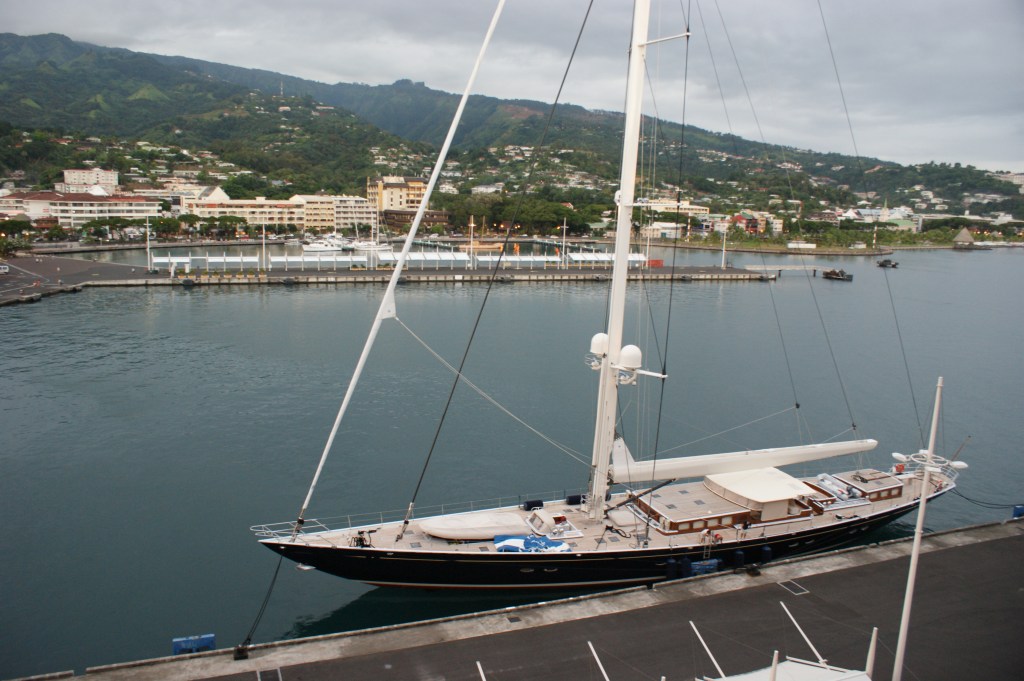
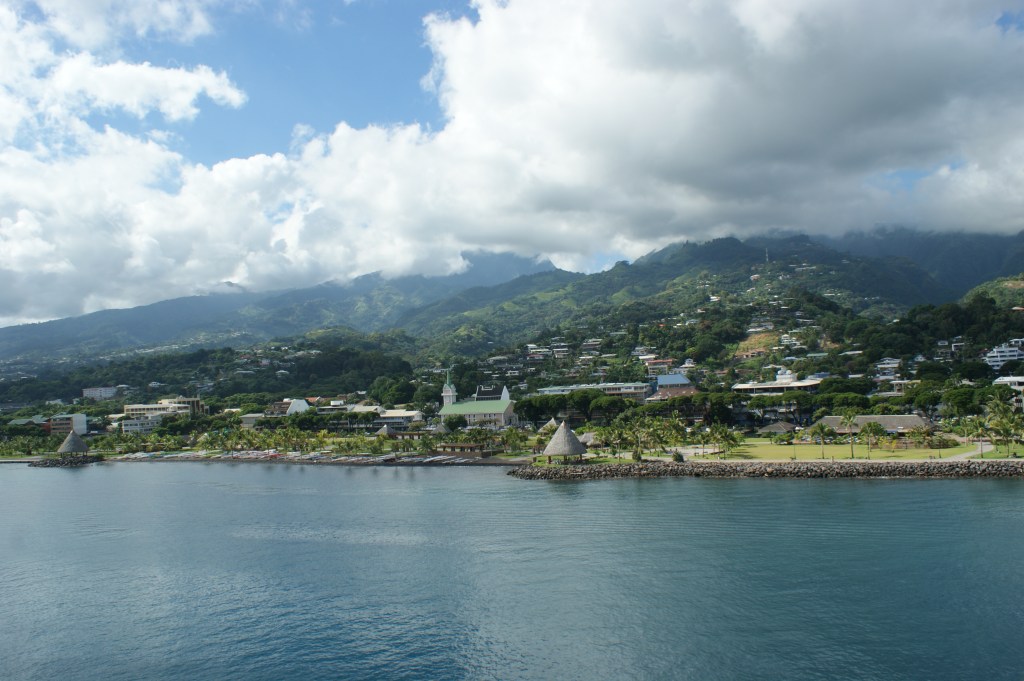
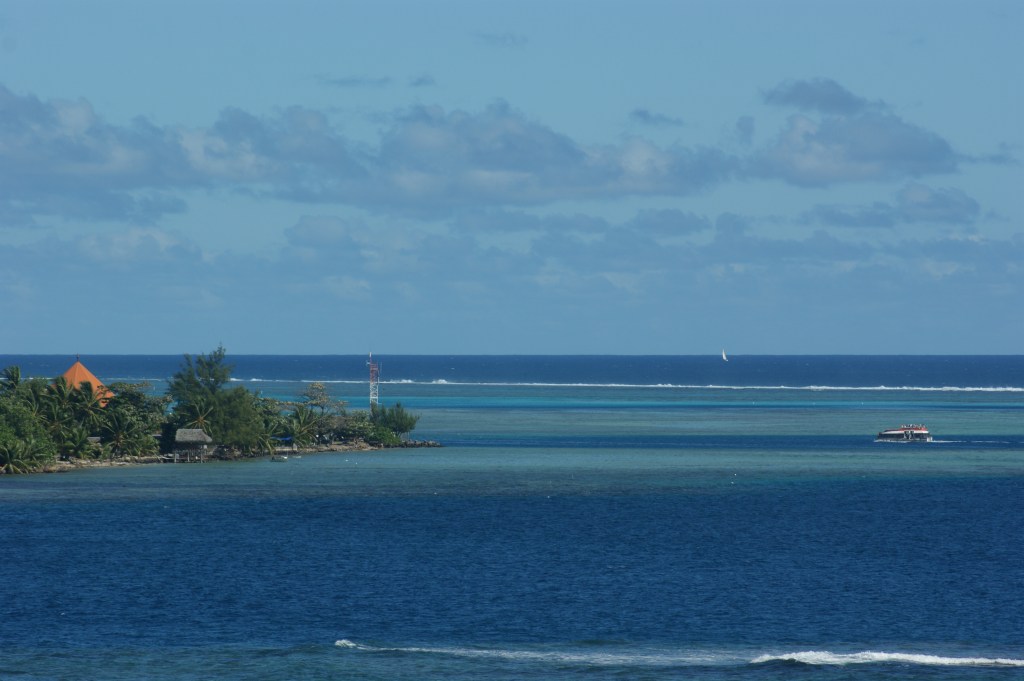
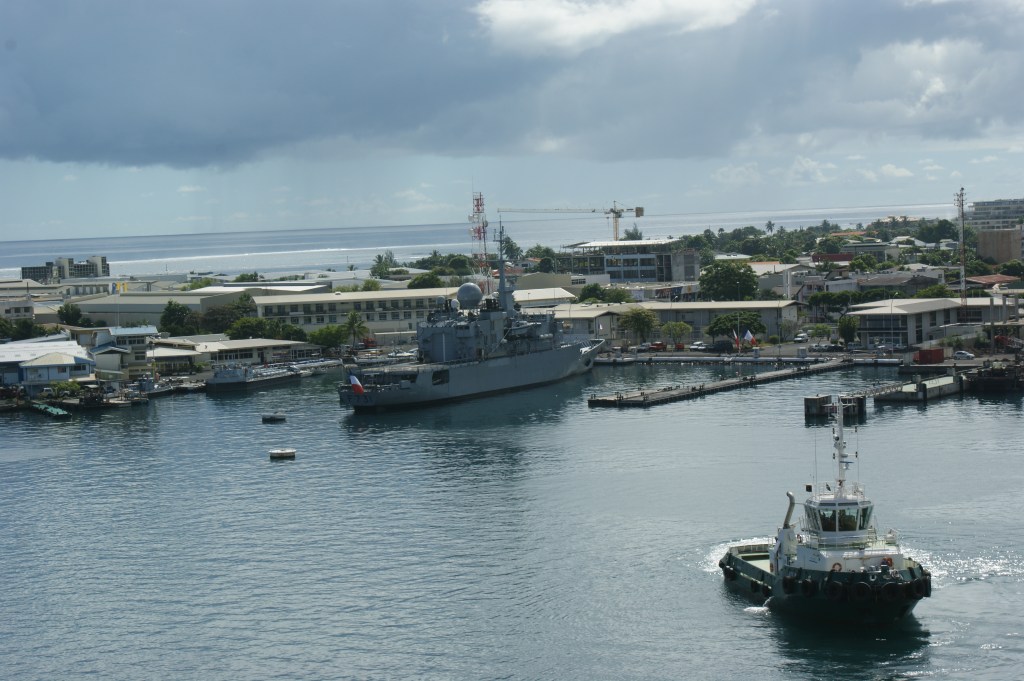
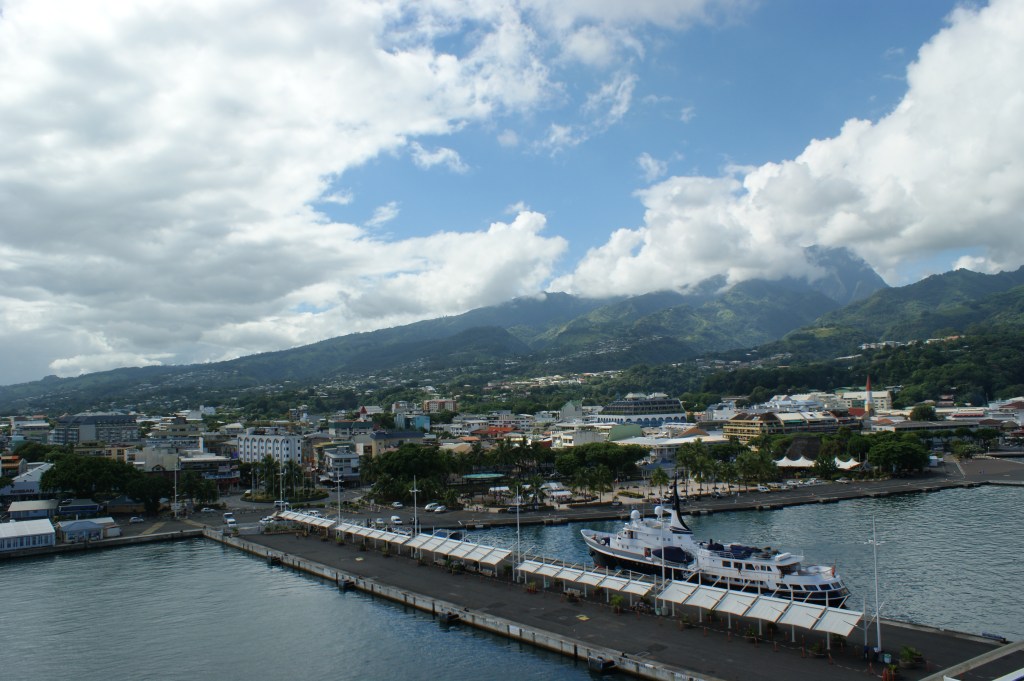
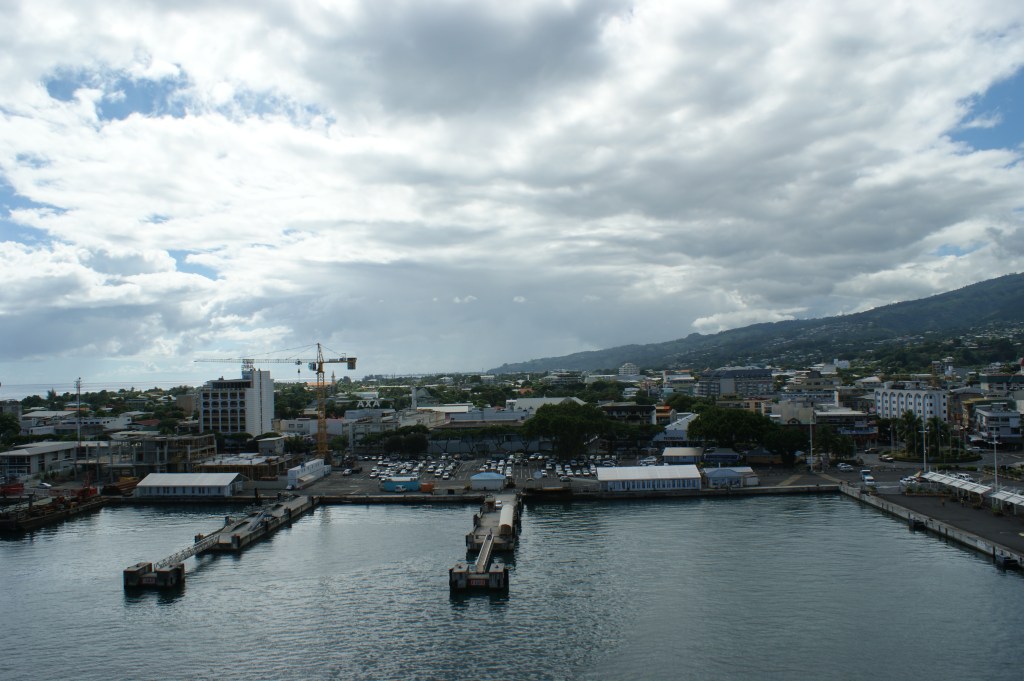
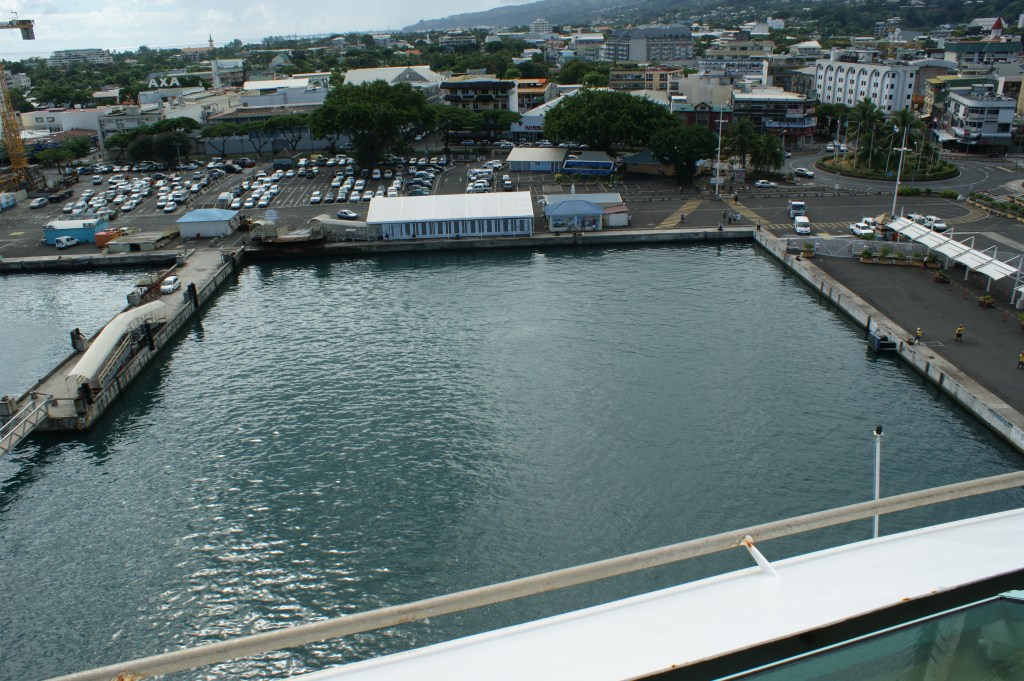
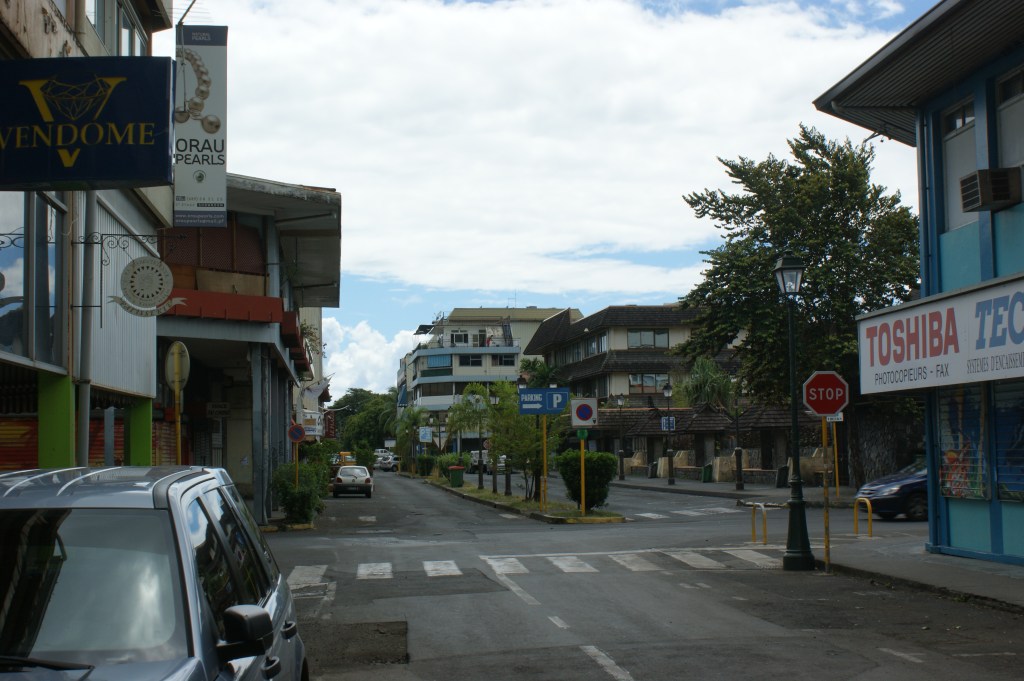
Papete is the capital of French Polynesia, and the city is located on Tahiti’s northwest coast. The city had 26,926 inhabitants in 2017. (Wikipedia). It is a significant port city with exports of copra (dried coconut meat), coffee, vanilla and mother of pearl. The pearl trade is lucrative and is maintained by mussel farming. The city has an international airport which was opened in 1962. Tourism is an important source of income for the island.
Tahiti is located halfway between Australia and South America, and was first populated by Polynesians from the West Polynesian Islands around 1,000 years ago. They divided themselves into smaller territorial clusters and were each governed by their own clan and chief. In the 18th century there were several internal wars and power struggles between chiefdoms. In 1842, Tahiti signed an agreement to become a self-governing French protectorate, but as early as 1843, disagreements broke out and France annexed Tahiti. From 1880 they became part of a formal French colony, and from 1958 Tahiti was administered as part of the French overseas territory of French Polynesia. When in 1995 and 1996 France carried out nuclear tests in Mururoa Atoll, it led to widespread protests and riots in Tahiti.
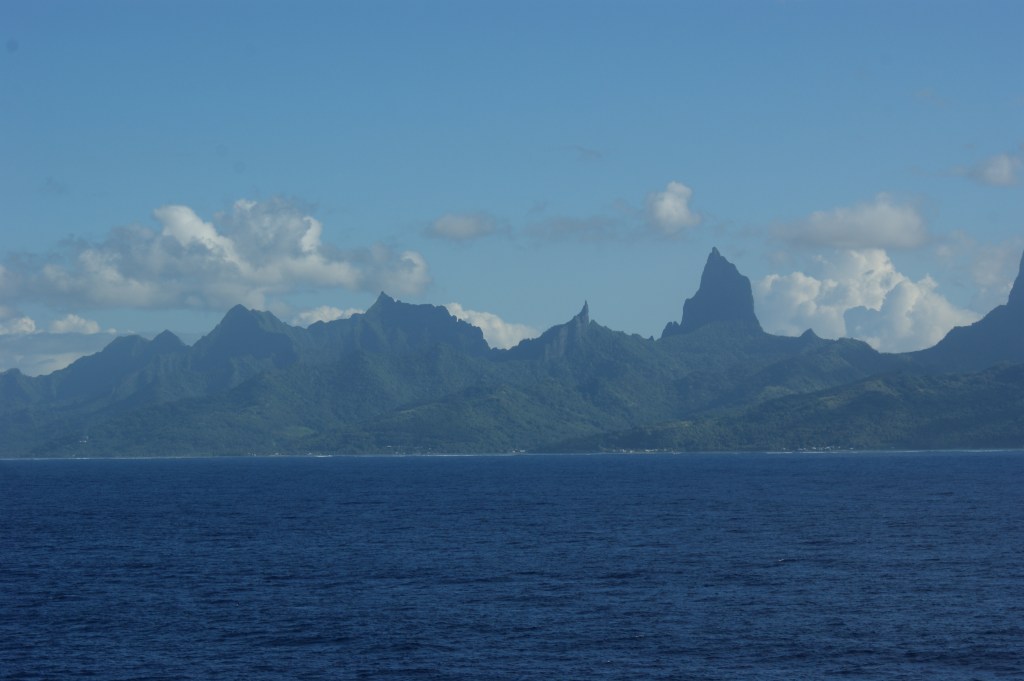
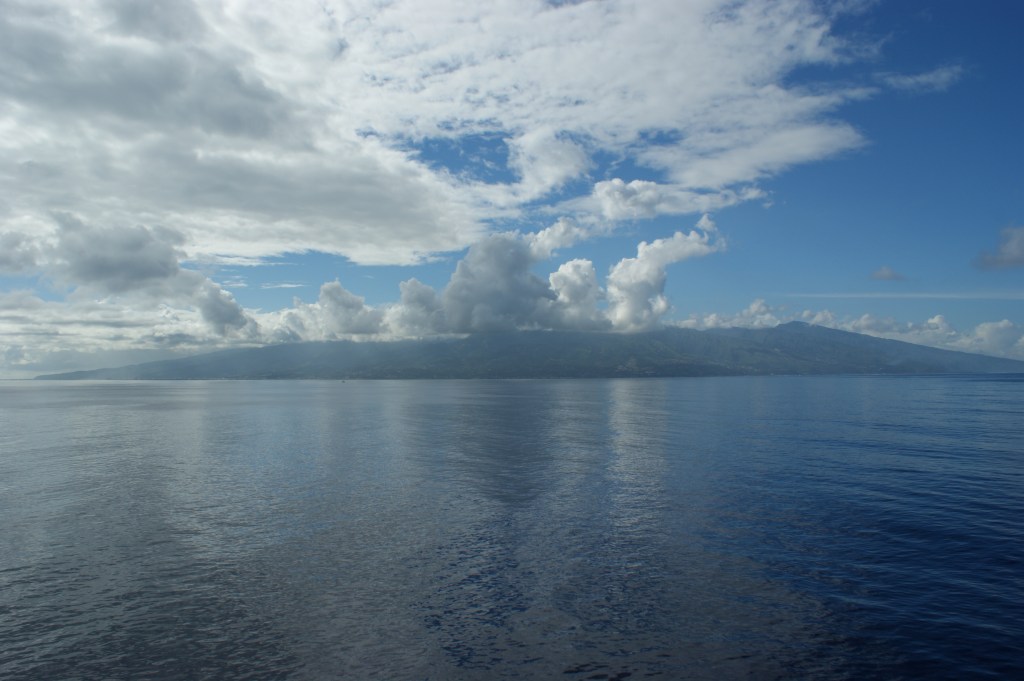
Tahiti, where Papeete is located, is the largest and most populous of all the Society Islands in French Polynesia, with more than 133,000 inhabitants. (Large Norwegian encyclopedia). The vegetation on the island is rainforest and the climate is mildly tropical, with a rainy season from November to April. The highest point, the Orohona peak, measures 2,241 meters above sea level. As well as being the most famous island in French Polynesia, it is also the economic and political center of the territory.
Hutaheiti – is a corruption of the Tahitian word Otaheiti, which is the name of the island of Tahiti. Hutaheiti is used as the name of a place far away, far from central areas. One assumes that it is sailors who have taken the word home with them.
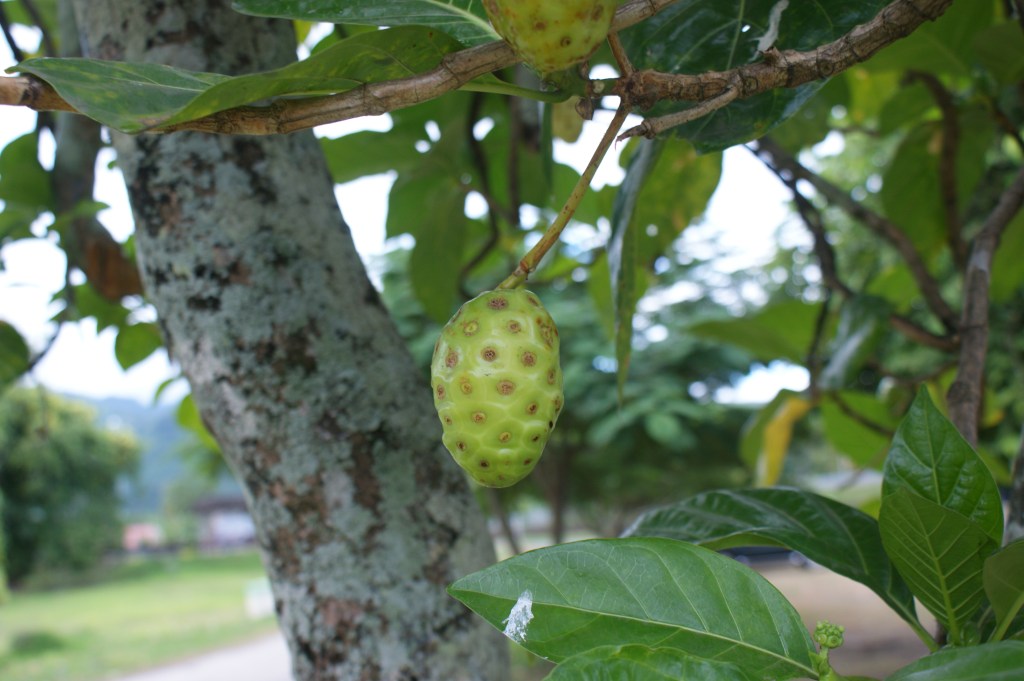
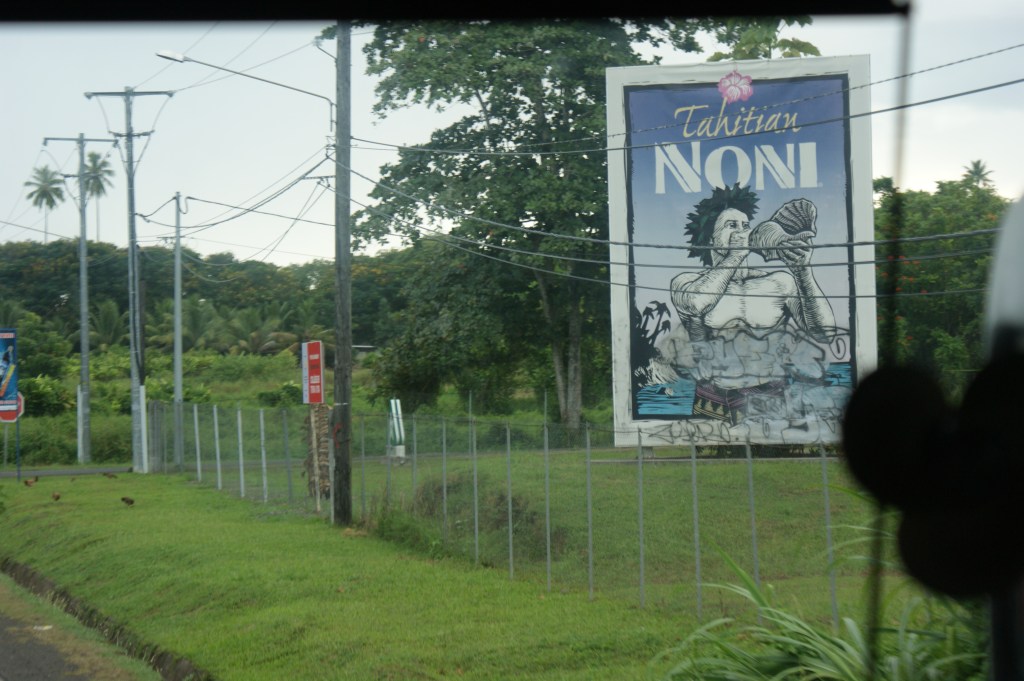
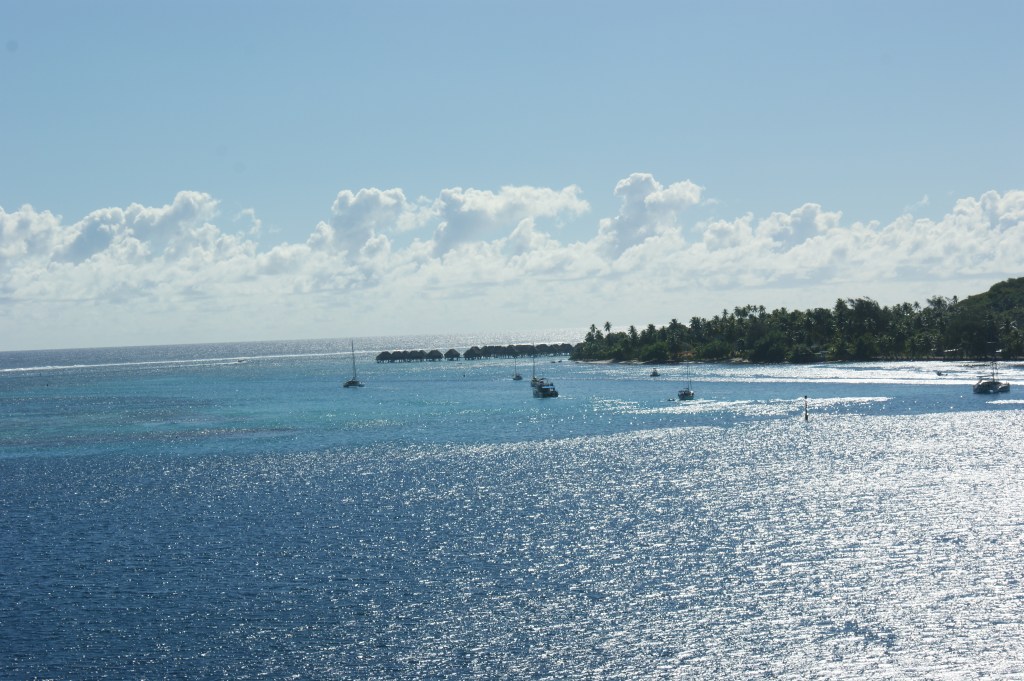
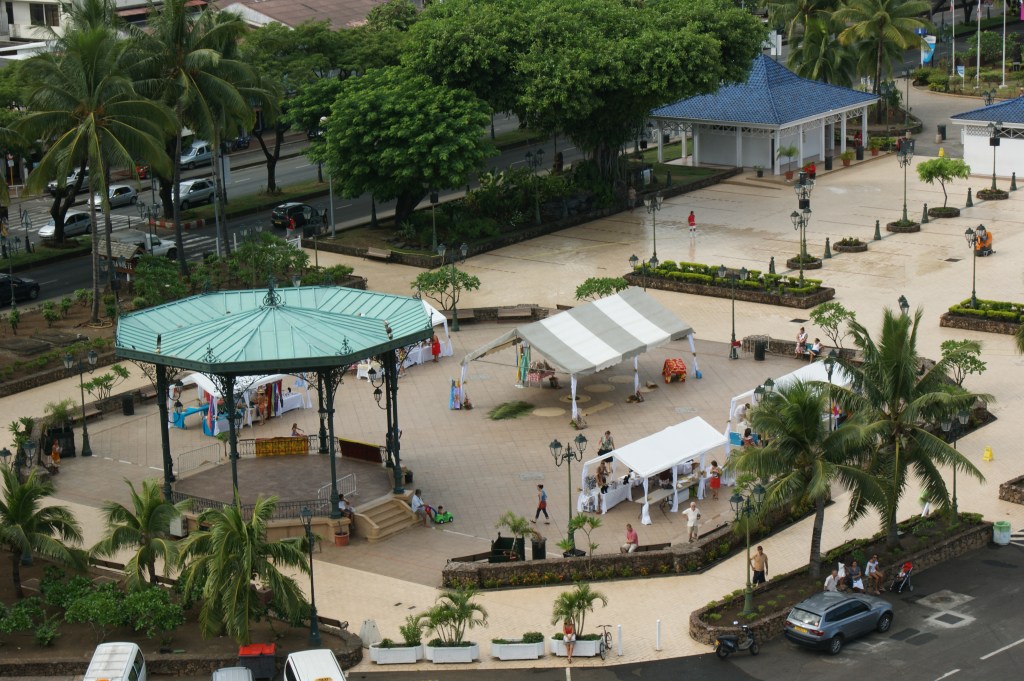
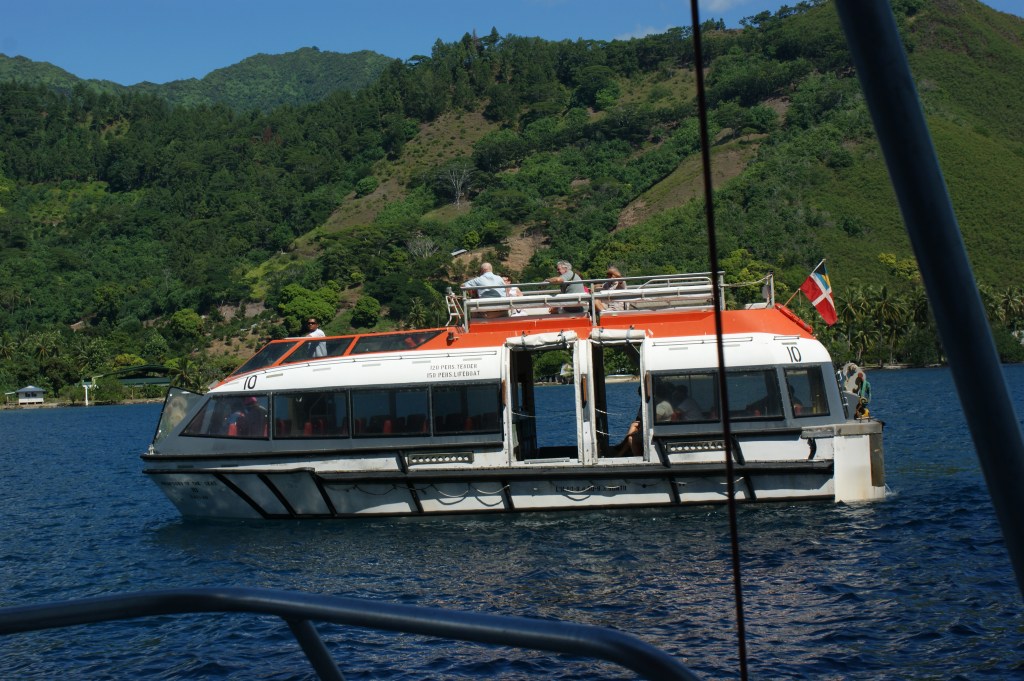
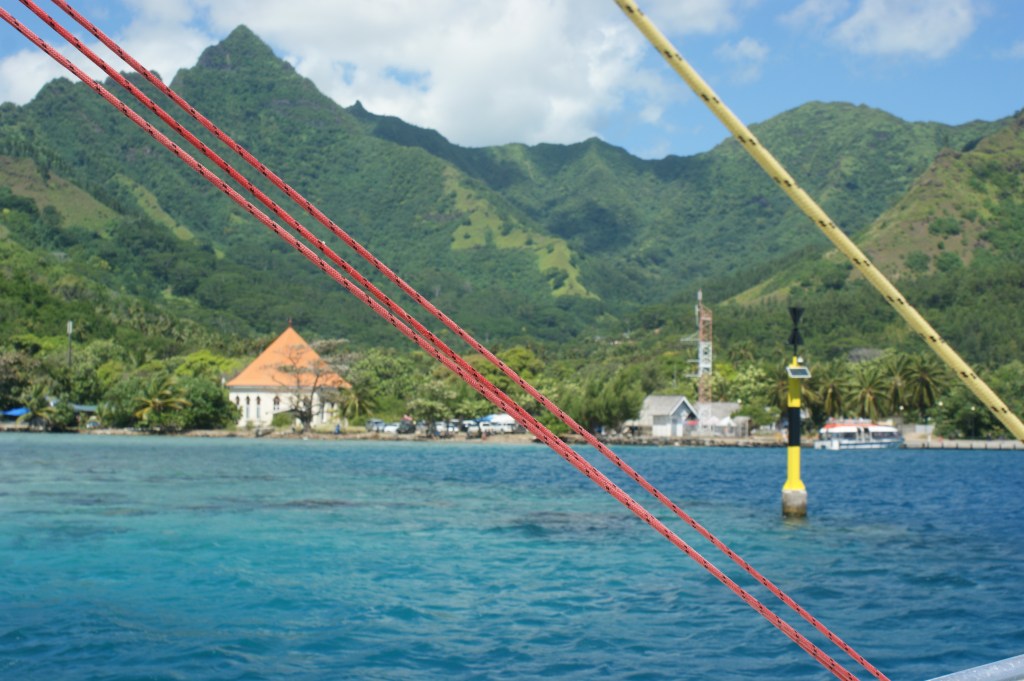
We were in Tahiti in connection with a cruise in the Pacific on our way from Sydney in Australia to Hawaii in 2010. For us who were first-time cruise tourists, it was special to come to these South Sea islands where we were met with fantastic hospitality and a welcome from local music and dance performance. We went on a sightseeing trip around the island by local bus, where we stopped at various places and got to enjoy the nature, the spectacular rock formations, the surroundings, the people’s life as well as the flora and beautiful parks. We got to see where the Noni fruit grows on the trees, as well as the Noni factory where it is produced into Noni Juice. The juice from Noni is supposed to be beneficial to health and can be bought at the health food market in Norway. In 2002, Noni juice was approved as a «novel food ingredient» in the EU. (RELIS, 2006) We were familiar with the Noni juice from before, and therefore bought a bottle of Tahitian Noni juice at the local shop when we were in Tahiti. It was wonderful to come to this beautiful Pacific island – and we would love to go back to Papeete and Tahiti again.
Norsk:
Papete er hovedstaden i Fransk Polynesia, og byen ligger på Tahitis nordvestkyst. Byen hadde 26 926 innbyggere i 2017. (Wikipedia). Det er en betydelig havneby med eksport av kopra (tørket kokoskjøtt), kaffe, vanilje og perlemor. Perlehandelen er lukrativ og vedlikeholdes med muslingoppdrett. Byen har en internasjonal flyplass som ble åpnet i 1962. Turismen er en viktig inntektskilde for øya.
Tahiti ligger halvveis mellom Australia og Sør-Amerika, og ble først befolket av polynesere fra de vestpolynesiske øyene for rundt 1000 år siden. De fordelte seg i mindre territoriale klynger og ble styrt av hver sin klan og høvding. På 1700-tallet var det flere interne kriger og maktkamper mellom høvdingedømmer. I 1842 signerte Tahiti en avtale for å bli et selvstyrende fransk protektorat, men allerede i 1843 brøt det ut uenighet som gjorde at Frankrike annekterte Tahiti. Fra 1880 ble de en del av en formel fransk koloni, og fra 1958 ble Tahiti administrert som en del av det franske oversjøiske territoriet Fransk Polynesia. Da Frankrike i 1995 og 1996 gjennomførte atomprøvesprengninger i Mururoa-atollen, førte det til omfattende protester og opptøyer på Tahiti.
Tahiti, hvor Papeete ligger, er den største og mest folkerike av alle Selskapsøyene i Fransk Polynesia, med mer enn 133 000 innbyggere. (Store norske leksikon). Vegetasjonen på øya er regnskog og klimaet er mildt tropisk, med regntid fra november til og med april. Det høyeste punktet, Orohona-toppen, måler 2 241 moh. I tillegg til å være den mest kjente øya i Fransk Polynesia så er den også det økonomiske og politiske sentrum i territoriet.
Hutaheiti – er en forvanskning av det tahitiske ordet Otaheiti, som er navnet på øya Tahiti. Hutaheiti blir benyttet som navn på en plass langt borte, langt fra sentrale strøk. En går ut fra at det er sjømenn som har tatt med seg ordet hjem.
Vi var på Tahiti i forbindelse med cruise i Stillehavet på vei fra Sydney i Australia til Hawaii i 2010. For oss som var 1. gangs cruiseturister så var det spesielt å komme til disse sydhavsøyene hvor vi ble møtt med en fantastisk gjestfrihet og velkomst med lokal musikk og danseoppvisning. Vi var på en sightseeingtur rundt på øya med lokalbuss, hvor vi stoppet på forskjellige steder og fikk nyte naturen, de spektakulære fjellformasjonene, omgivelsene, folkelivet samt nyte floraen og vakre parker. Vi fikk se hvor Noni-frukten vokser på trærne, samt Noni-fabrikken der den blir produsert til Noni Juice. Juicen fra Noni skal være en helsebringende og den kan kjøpes på helsekostmarkedet i Norge. I 2002 ble Noni juice godkjent som «novel food ingredient» i EU. (RELIS, 2006) Vi var kjent med Noni-juicen fra tidligere, og kjøpte derfor en flaske med Tahitian Noni-juice på den lokale butikken da vi var på Tahiti. Det var fantastisk å komme til denne vakre stillehavsøya – og vi skulle gjerne ha reist tilbake til Papeete og Tahiti igjen.











 Vår vidunderlige verden