
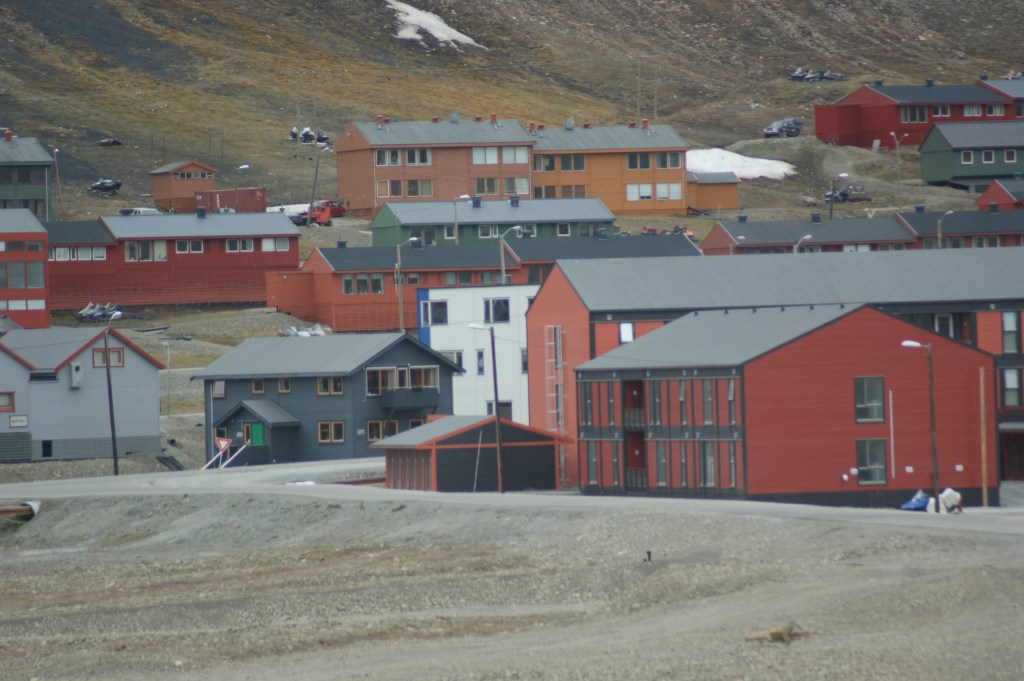
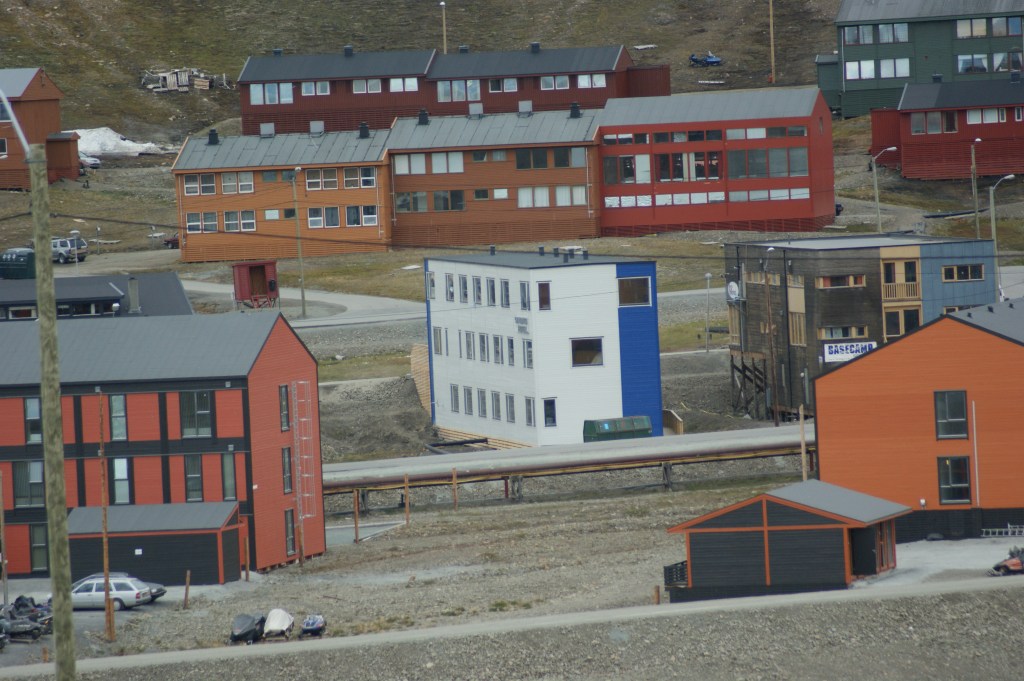
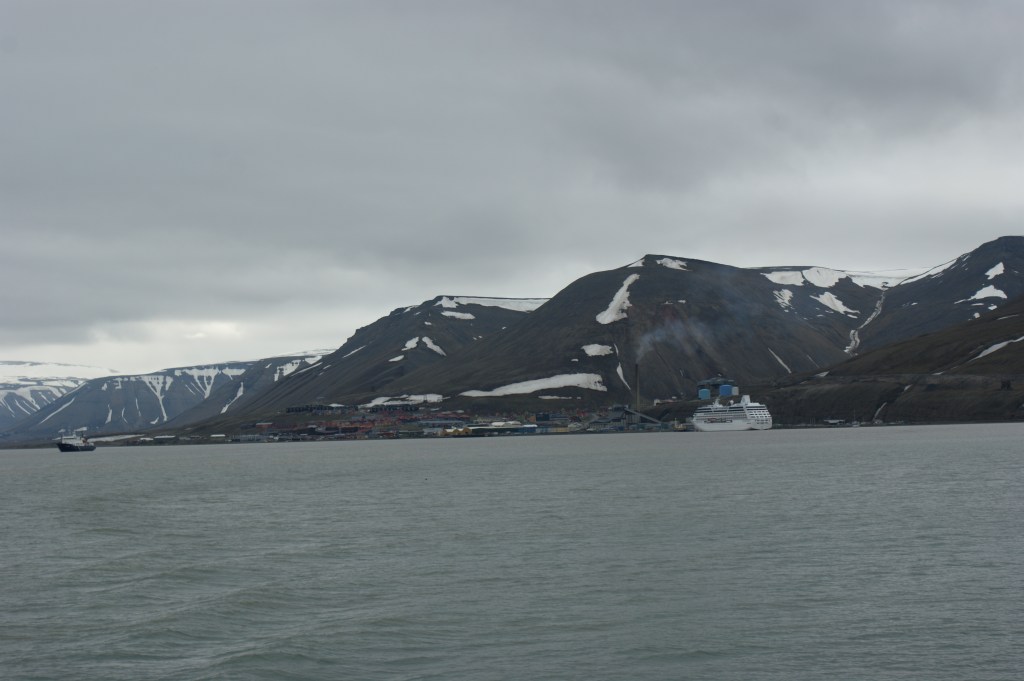
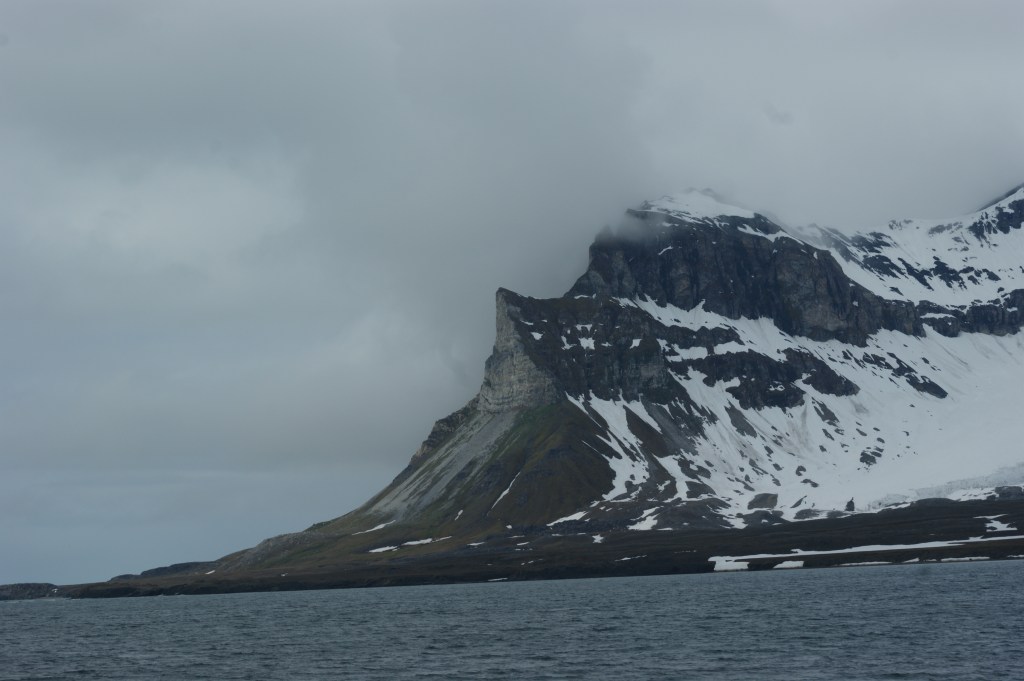
Svalbard is a Norwegian archipelago in the Arctic, and lies roughly halfway between mainland Norway and the North Pole. The name Svalbard is of Norse origin, and means «the cold coast», and the word is found in several Icelandic yearbooks from the 12th century. At the 2020 census, there were 2,884 inhabitants there. (Wikipedia, Statistics Norway). Svalbard consists of islands, islets and reefs, and the largest of the islands is Spitsbergen, followed by Nordaustlandet, Edgeøya and Barentsøya. Longyearbyen is the administrative center for the archipelago, which is administered by the Governor of Svalbard. Other buildings in addition to research stations are the Russian mining community in Barentsburg, the research community in Ny-Ålesund and buildings in connection with mining operations at Sveagruven.
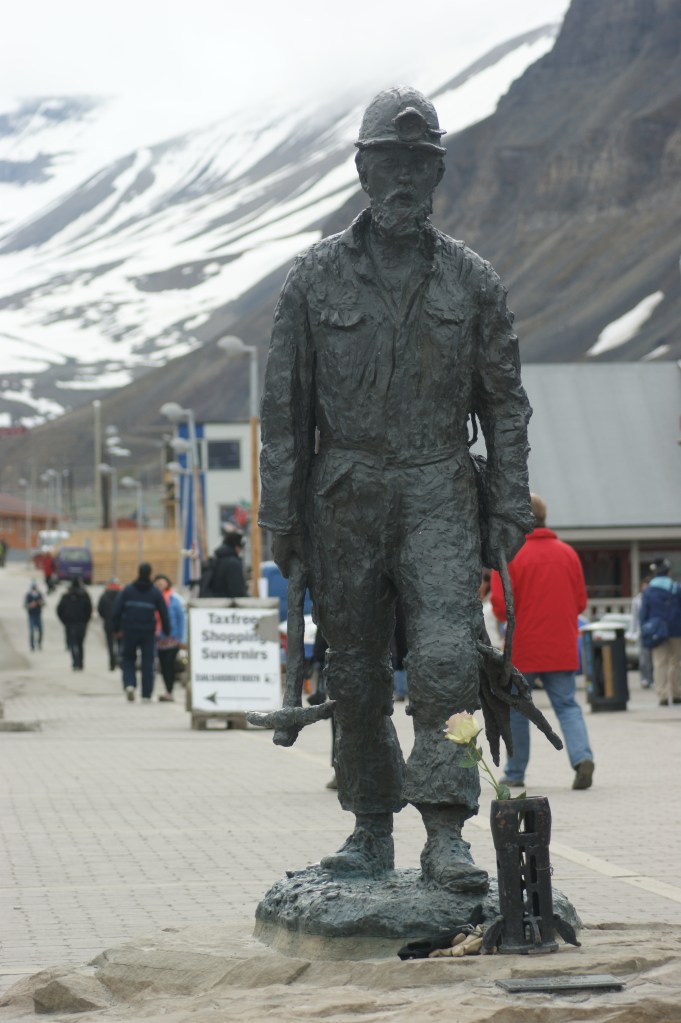
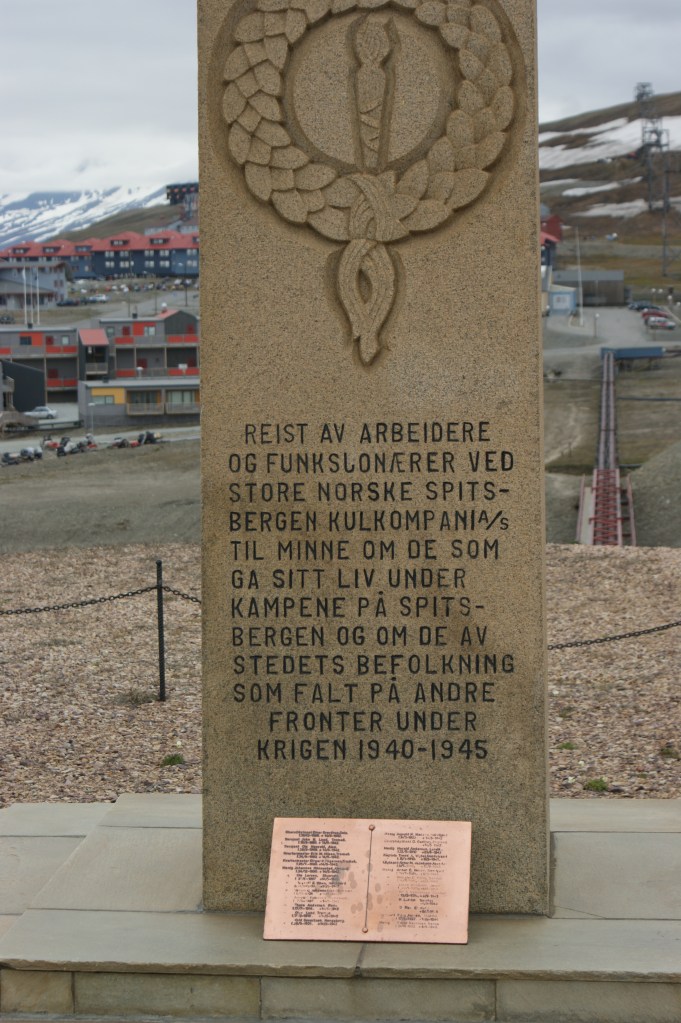
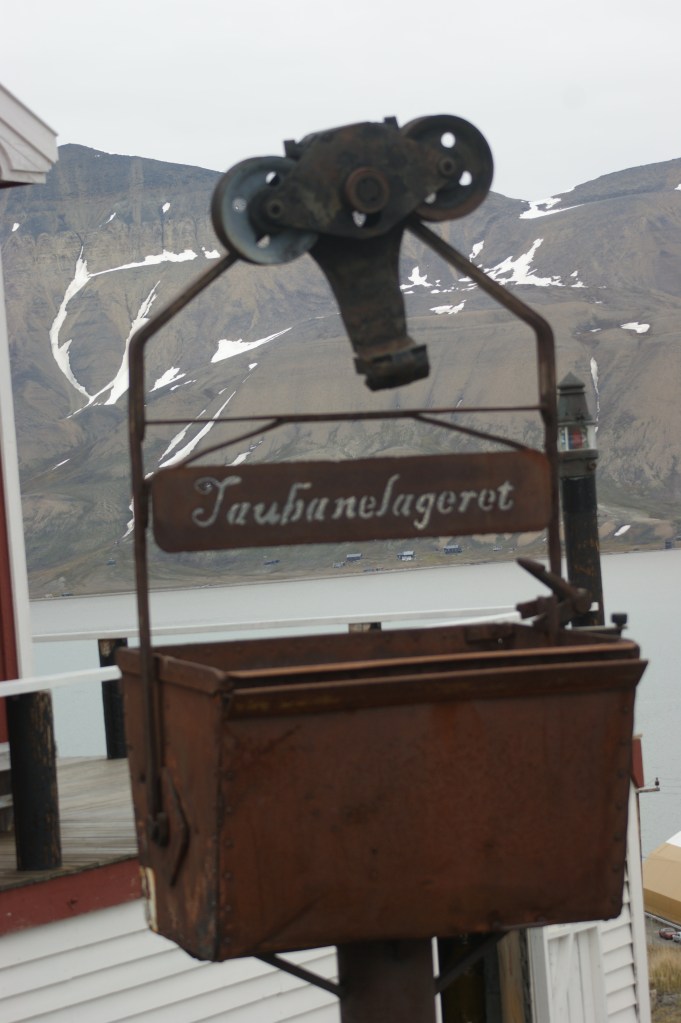
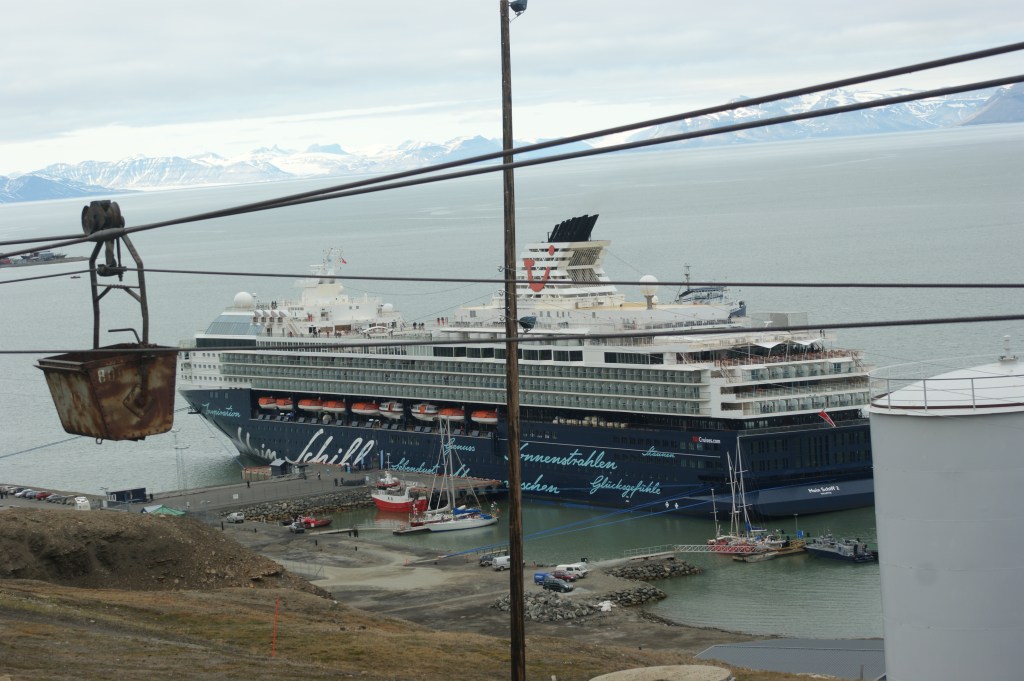
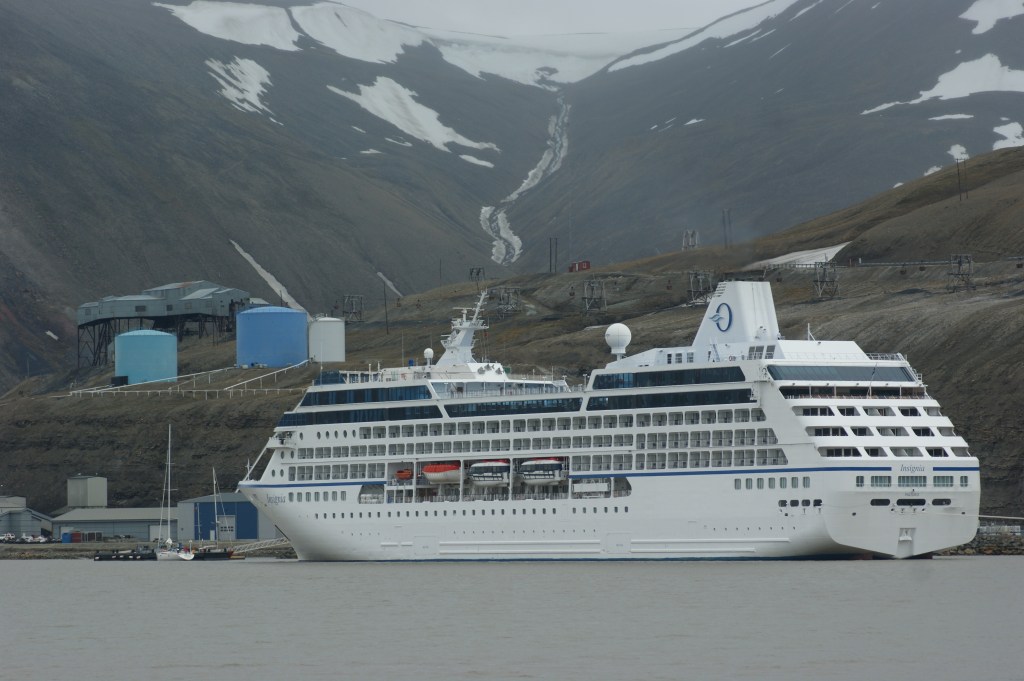
The islands were first used as a whaling base in the 17th and 18th centuries, but were eventually abandoned. At the beginning of the 20th century, coal mining began, which led to several communities being established on the archipelago. The Svalbard Treaty of 9 February 1920 recognized Norwegian sovereignty, and with the Svalbard Act of 1925 the archipelago became a complete part of the Kingdom of Norway. The basis for the incorporation of Svalbard in Norway was all the many years of expeditions to the archipelago. The only remaining mining companies operating coal operations on Svalbard today are Store Norske Spitsbergen Kullkompani and the Russian Trust Arktikugol. Research and tourism have become important additional industries in addition to the University of Svalbard and the Svalbard global seed vault. The seed vault was opened in 2007, and holds up to three million different types of seeds from all over the world. No roads connect the settlements on Svalbard, instead snowmobiles, planes and boats are used as means of transport. Svalbard has both a cruise port and general cargo port with scheduled traffic to and from Tromsø with cargo. There are also coal ports in Longyearbyen and Svea for export to the continent. Svalbard Airport, Longyear, is the most important communication gateway to the outside world. (Wikipedia; Google translated).
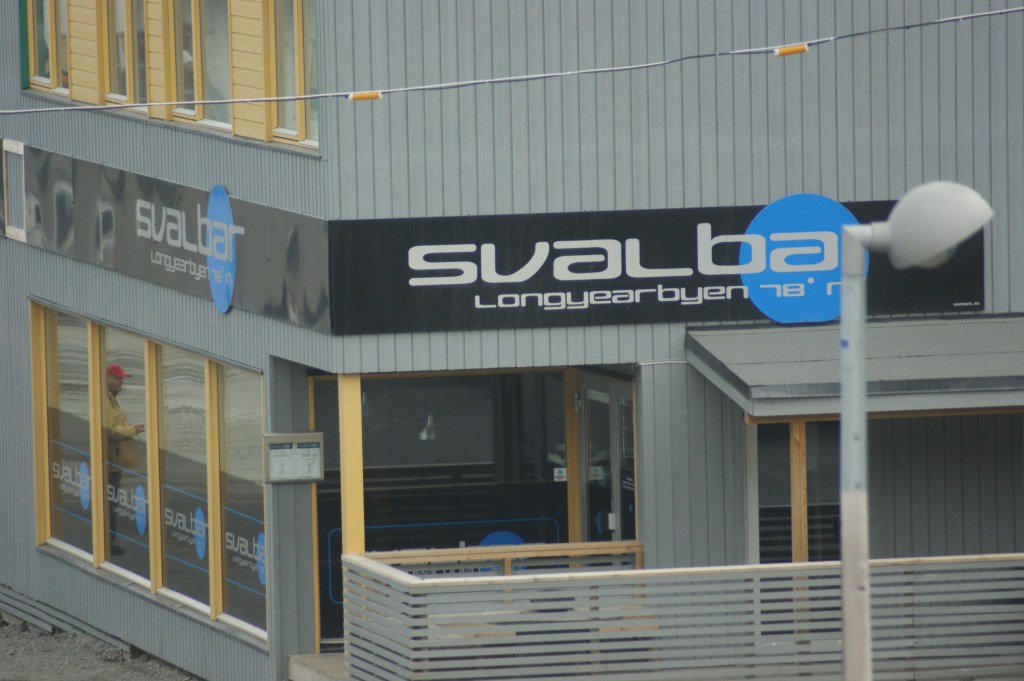
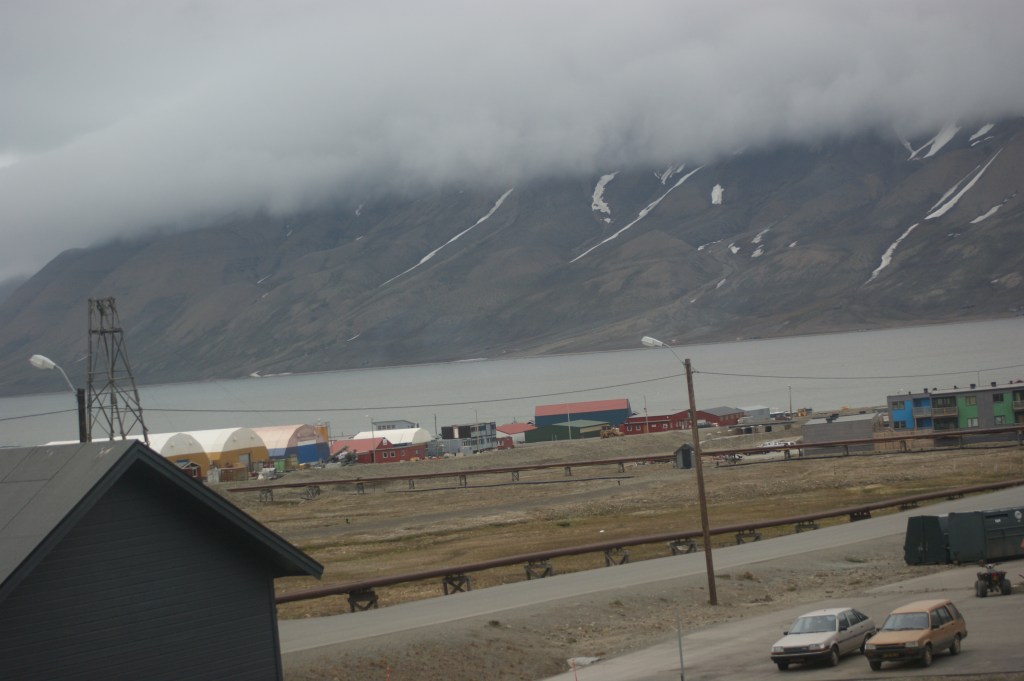
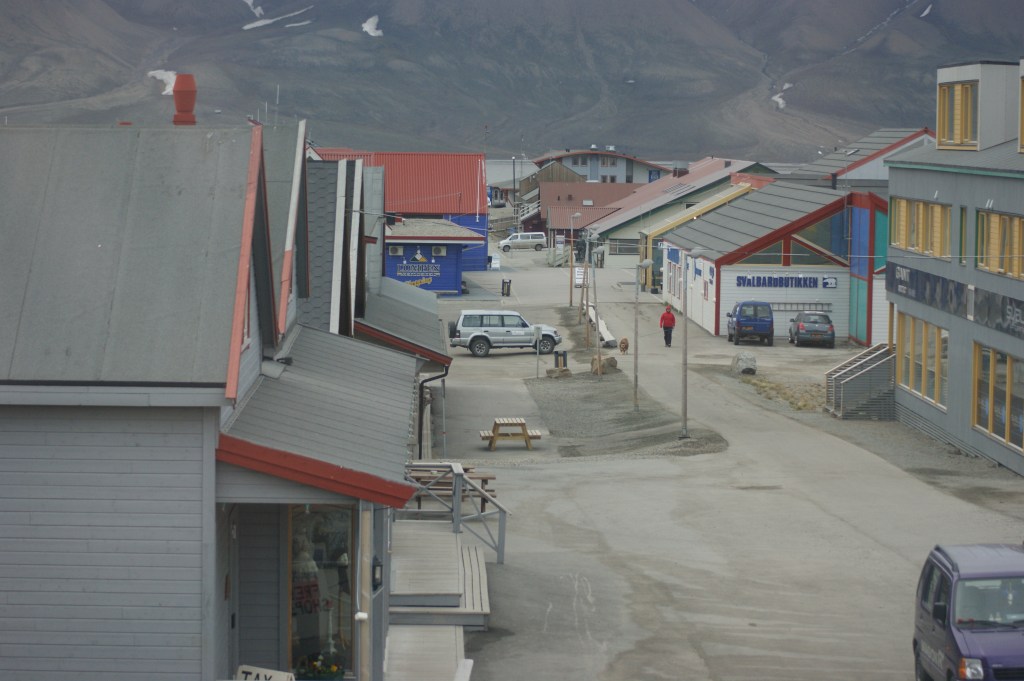
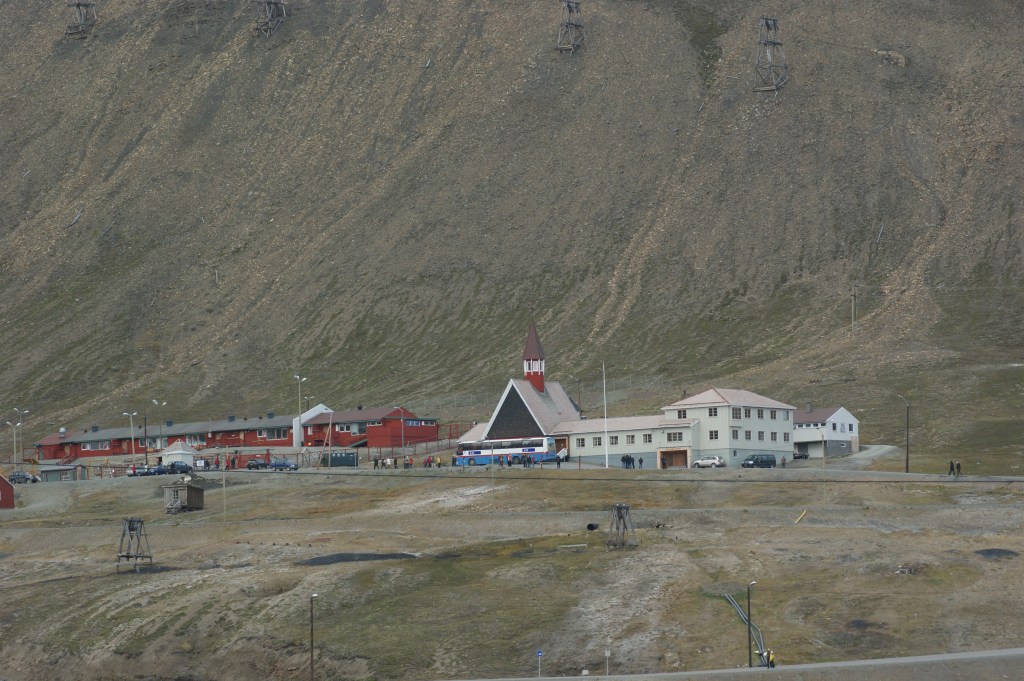
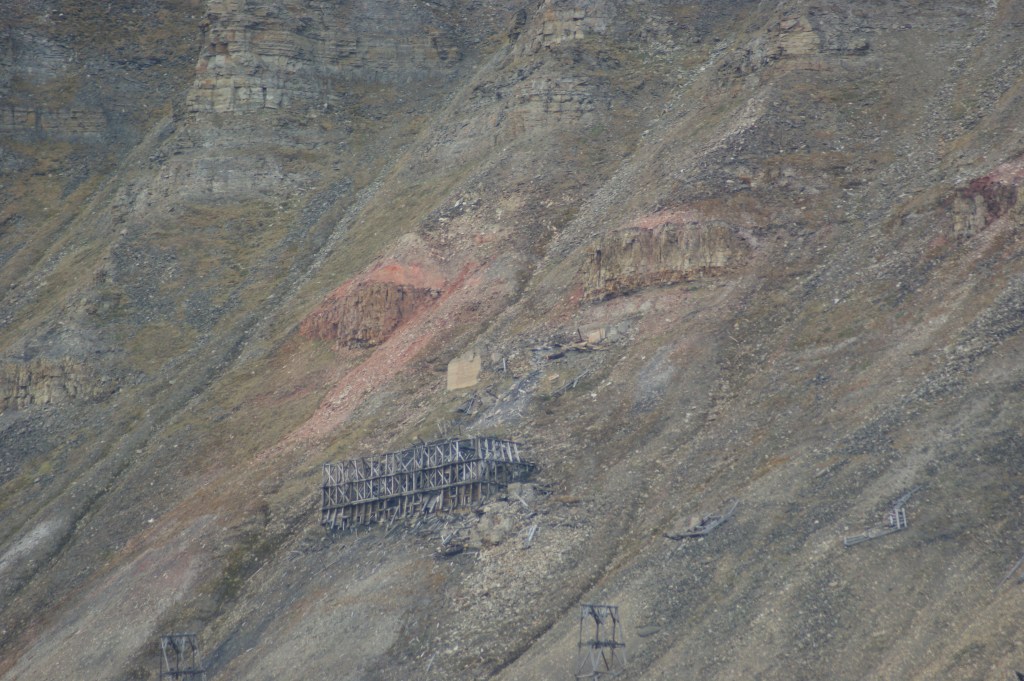
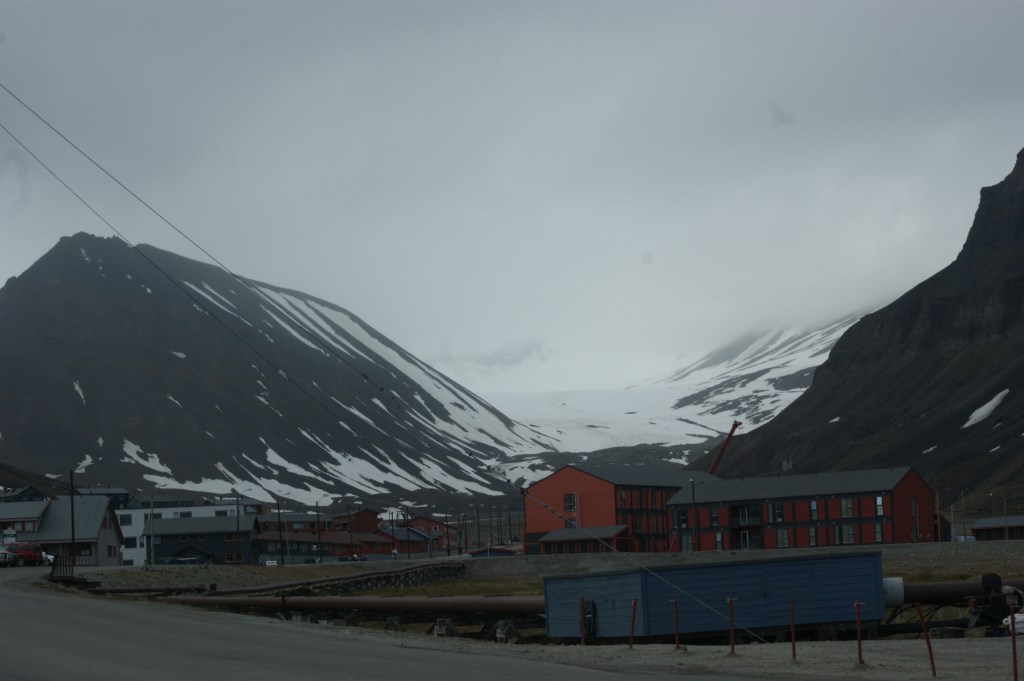
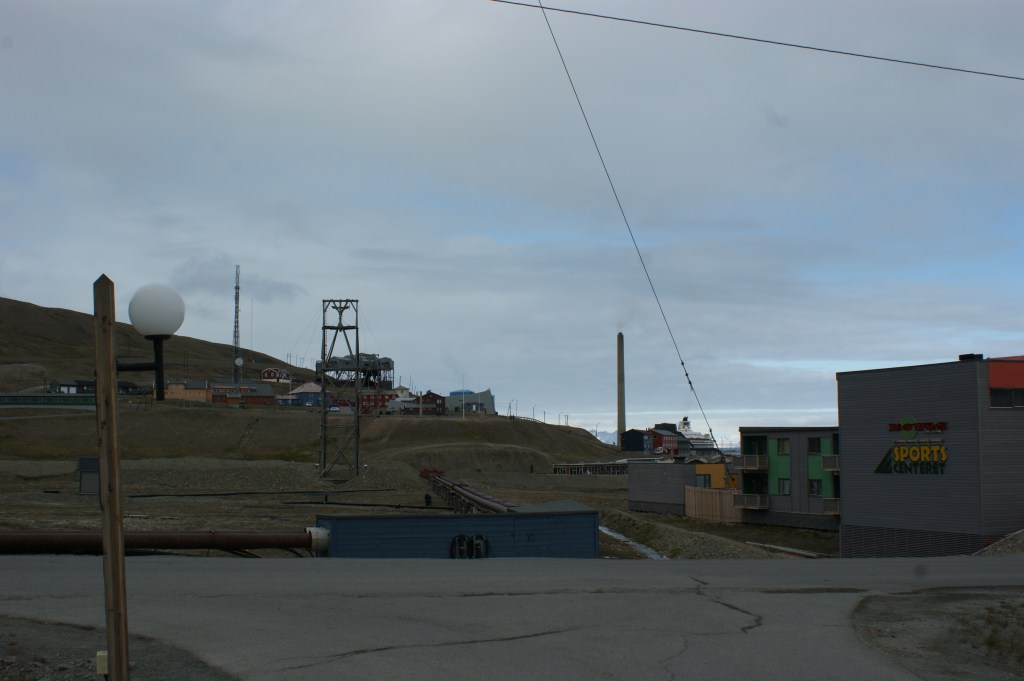
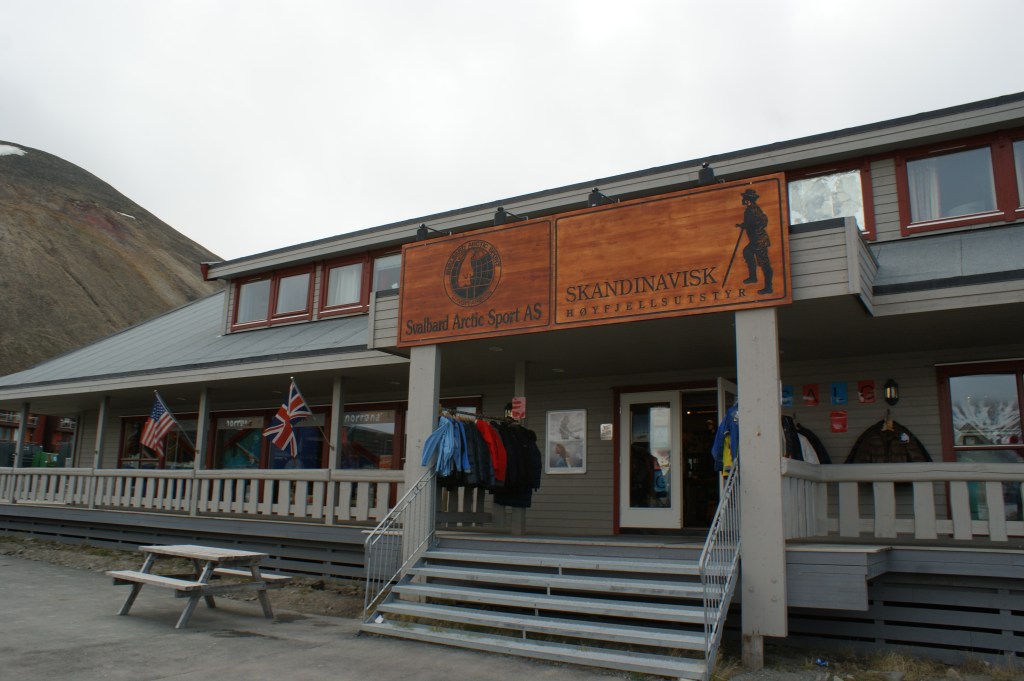
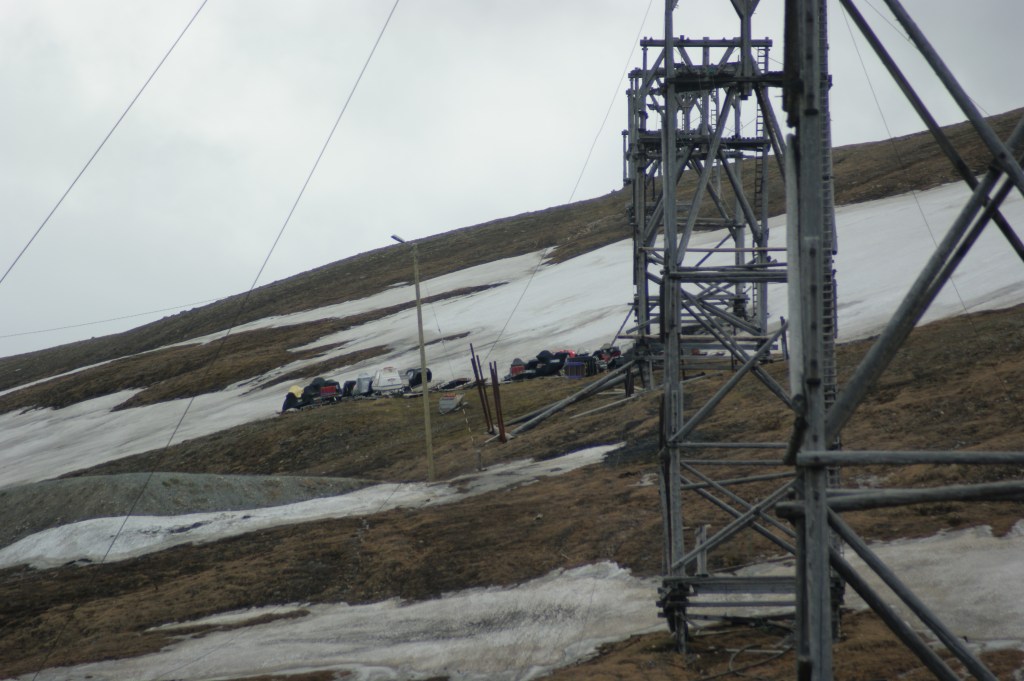
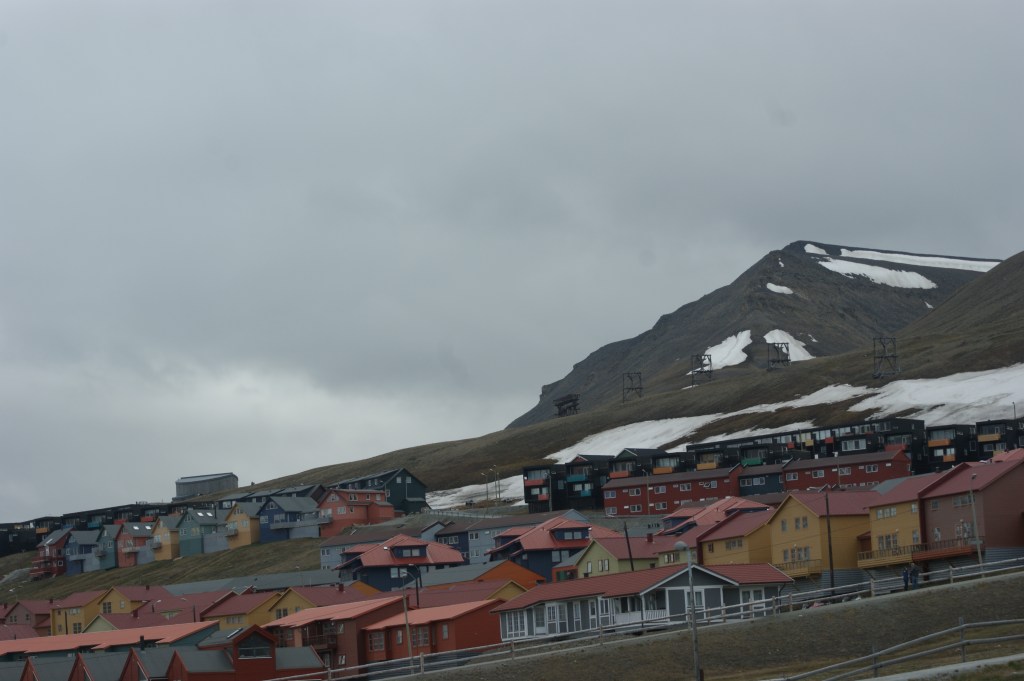
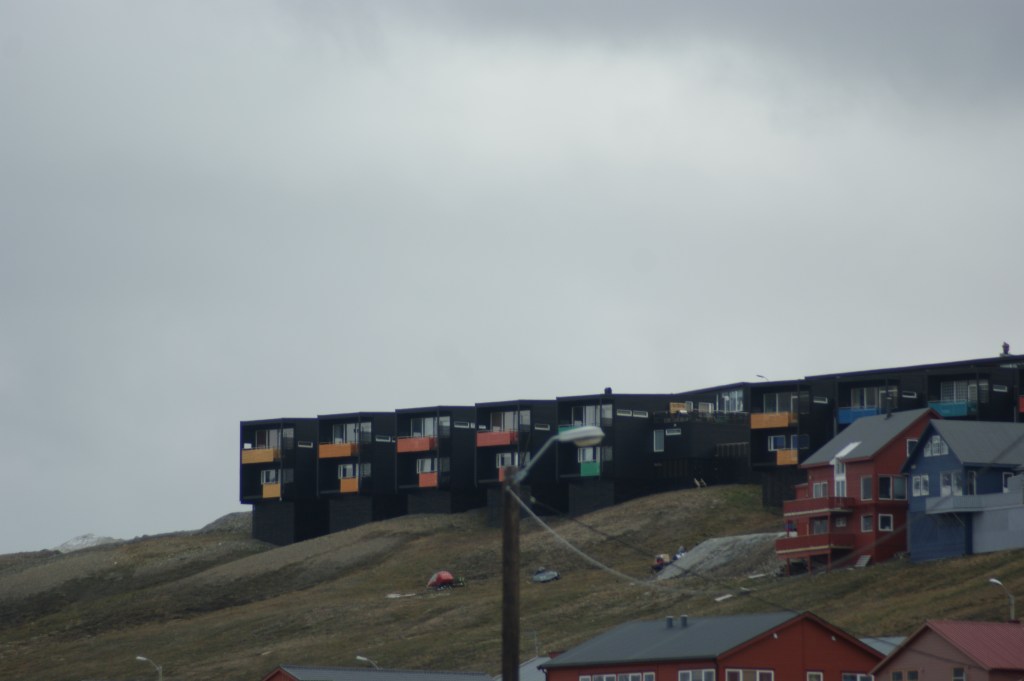
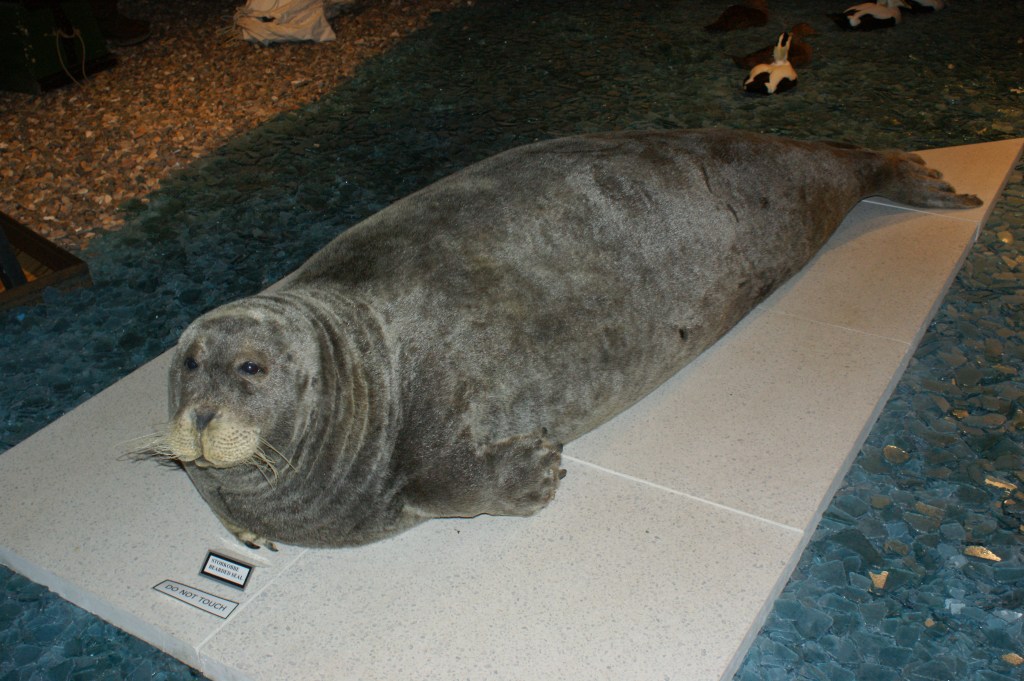
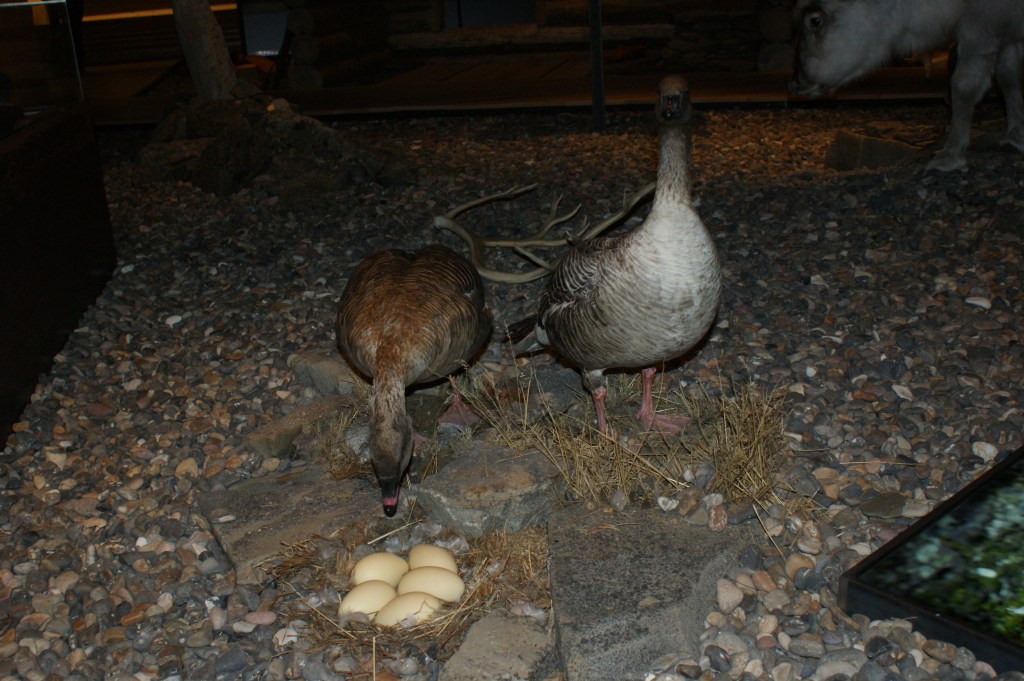
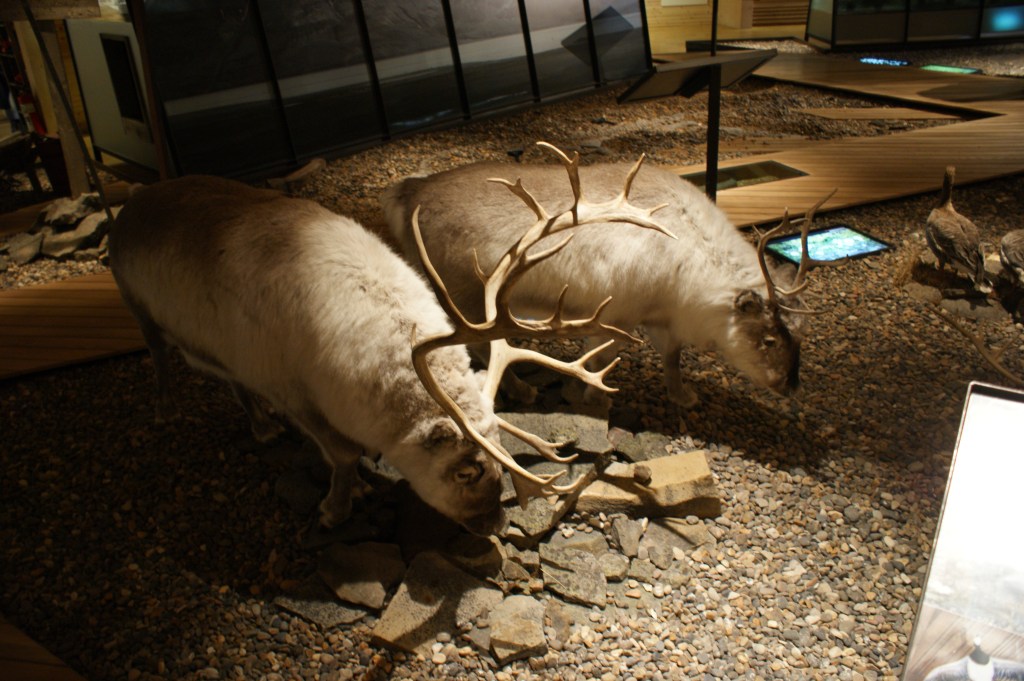
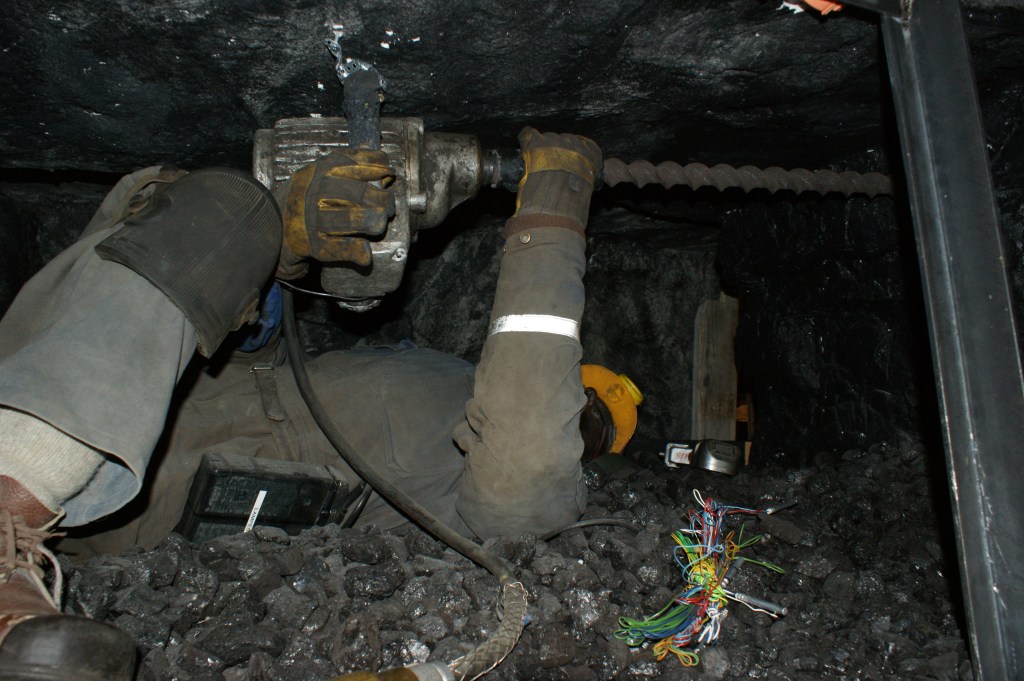
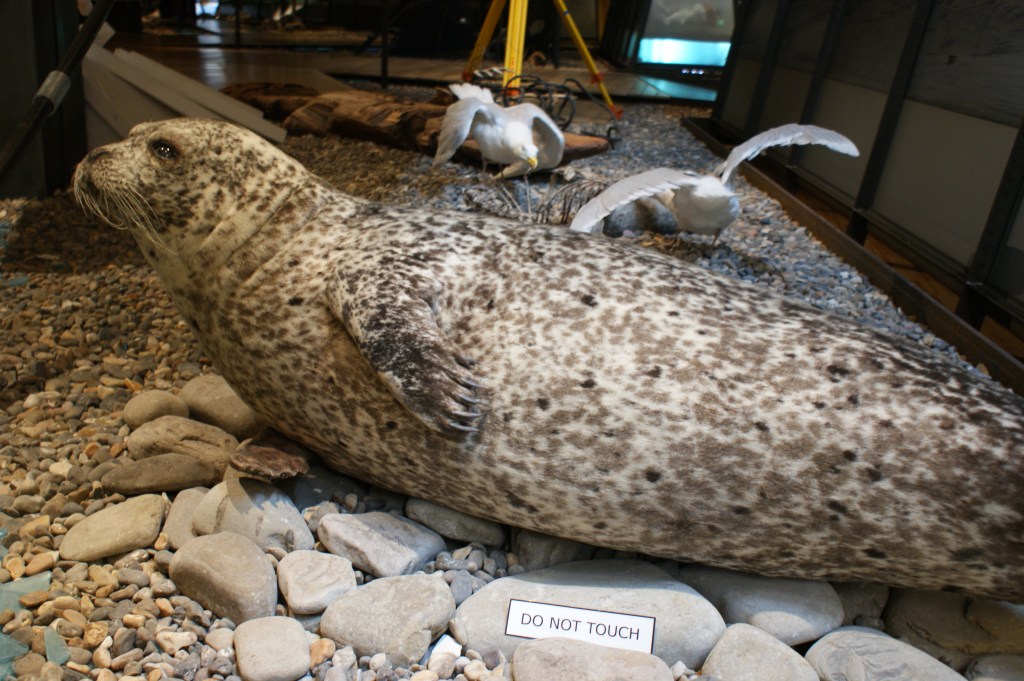
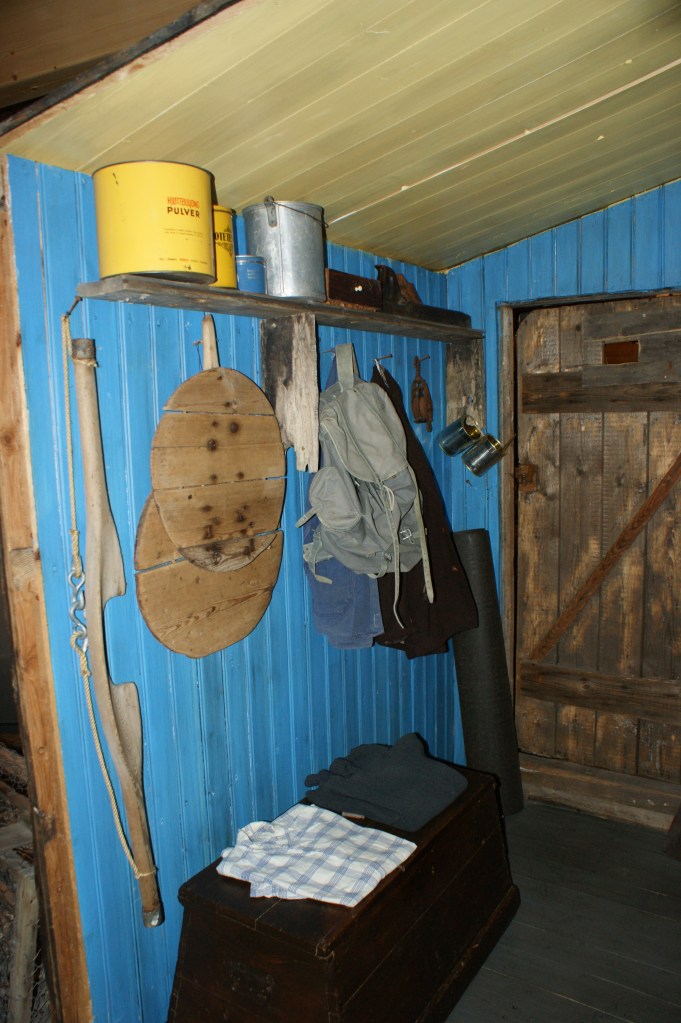
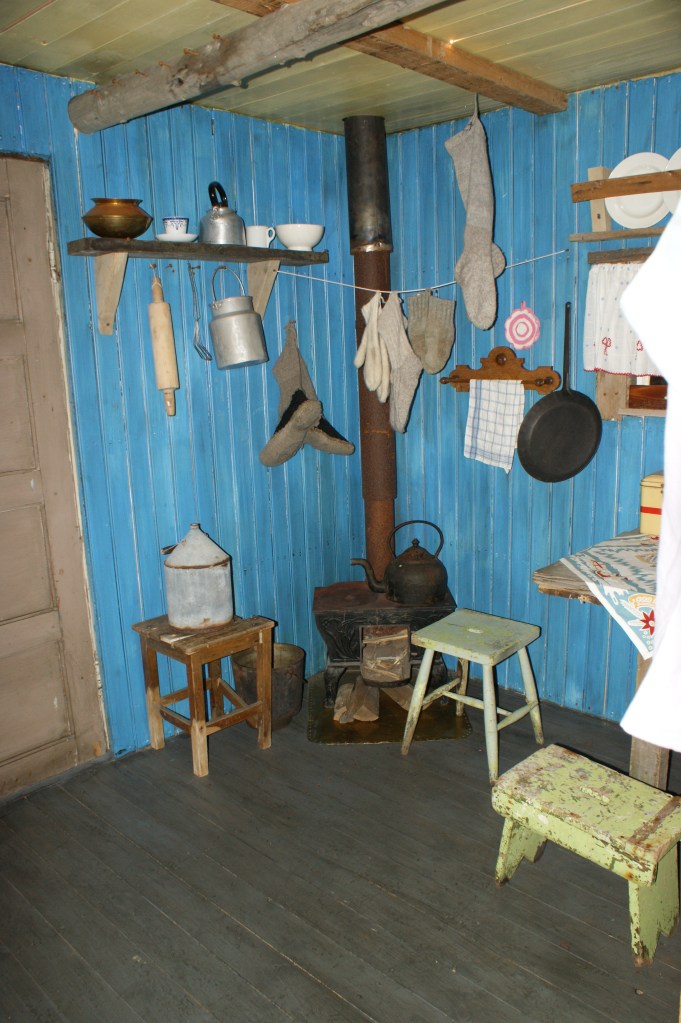
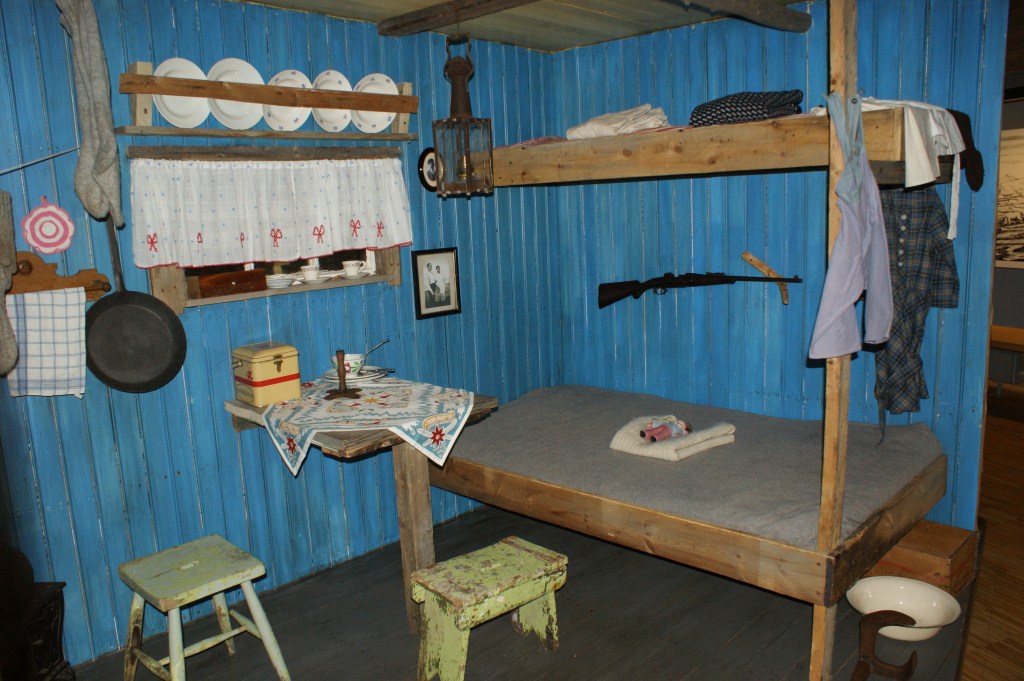
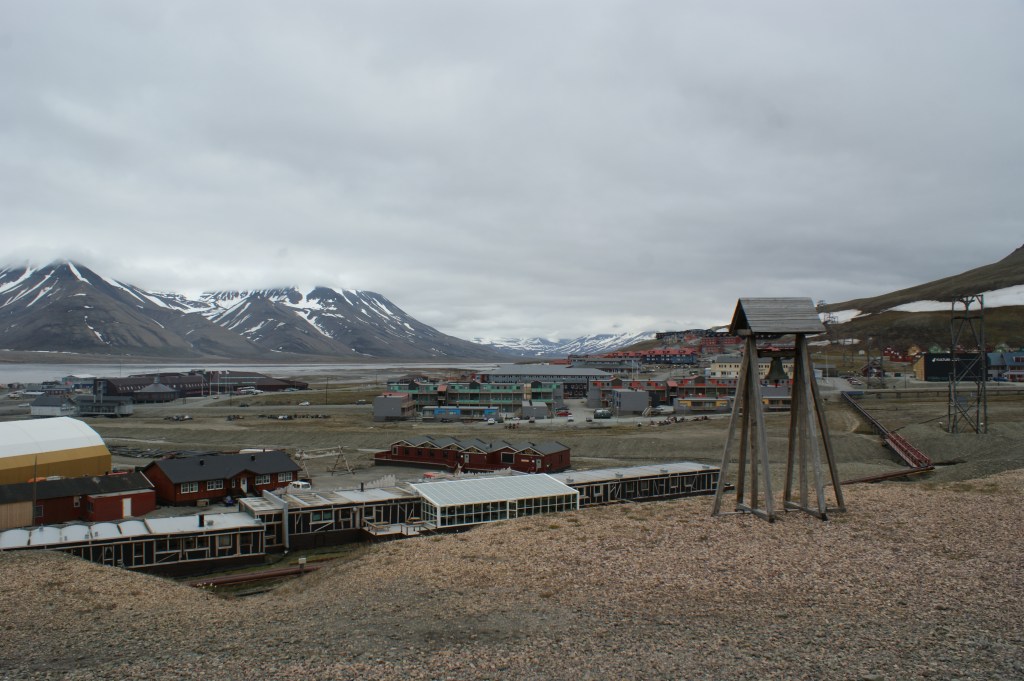
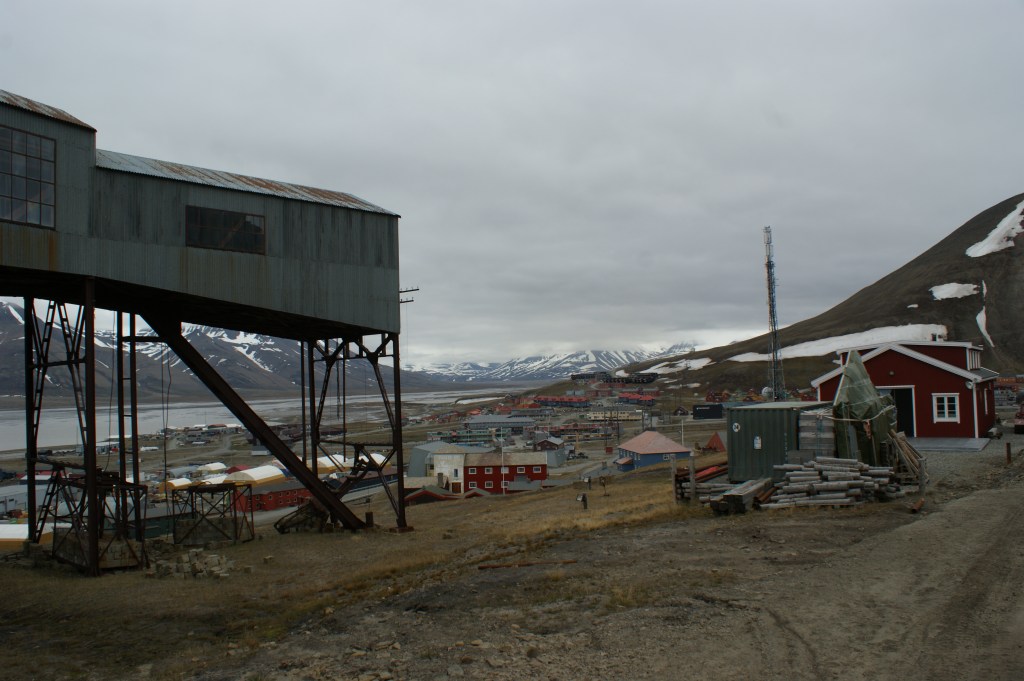
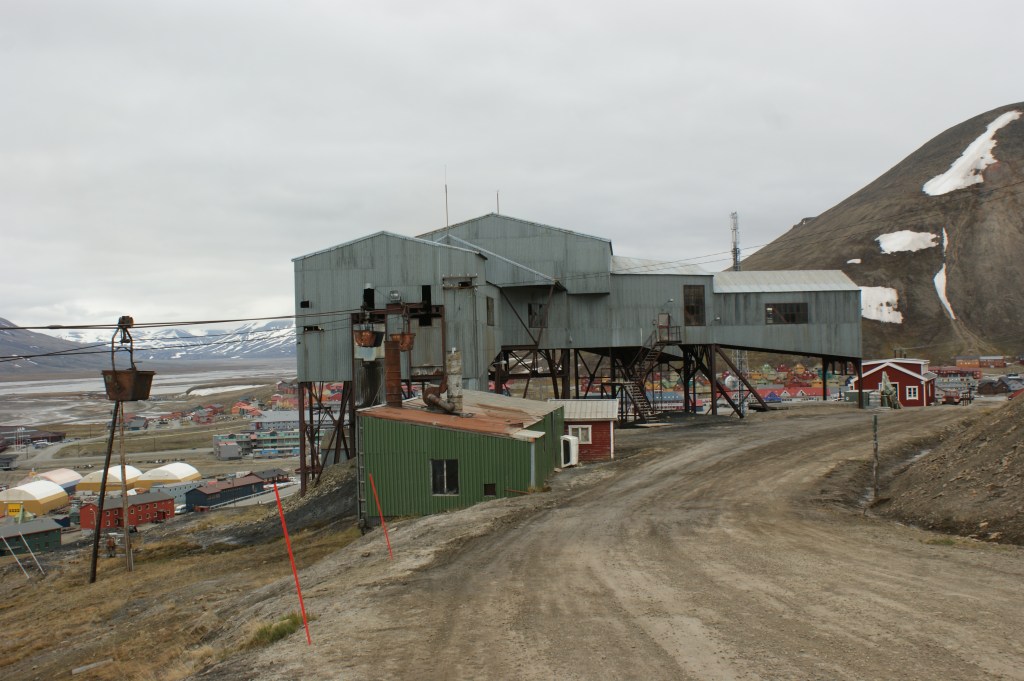
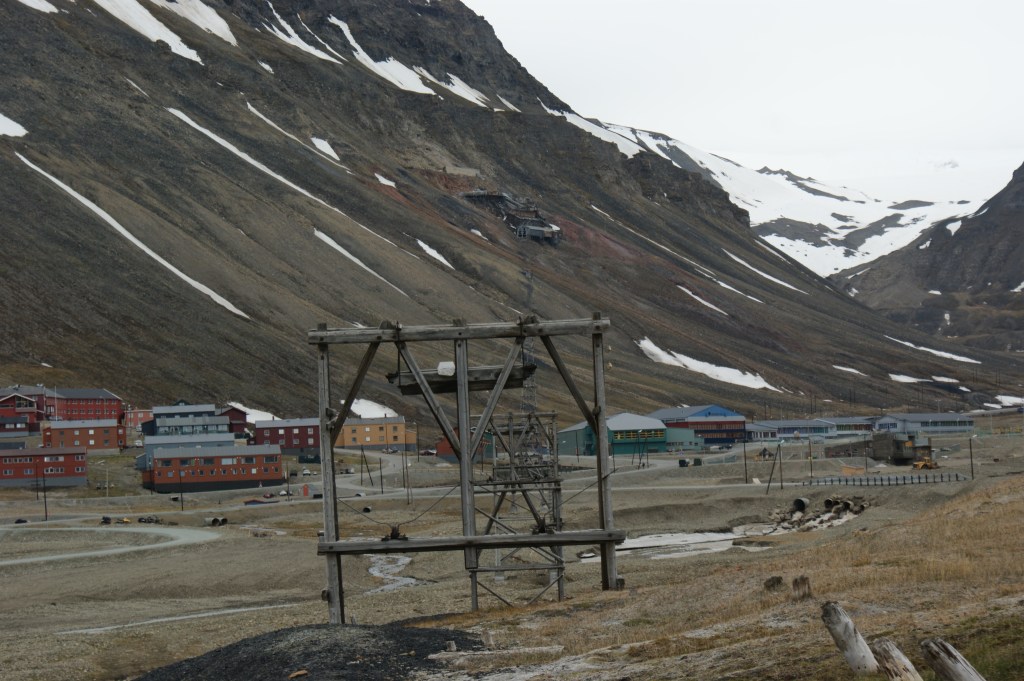
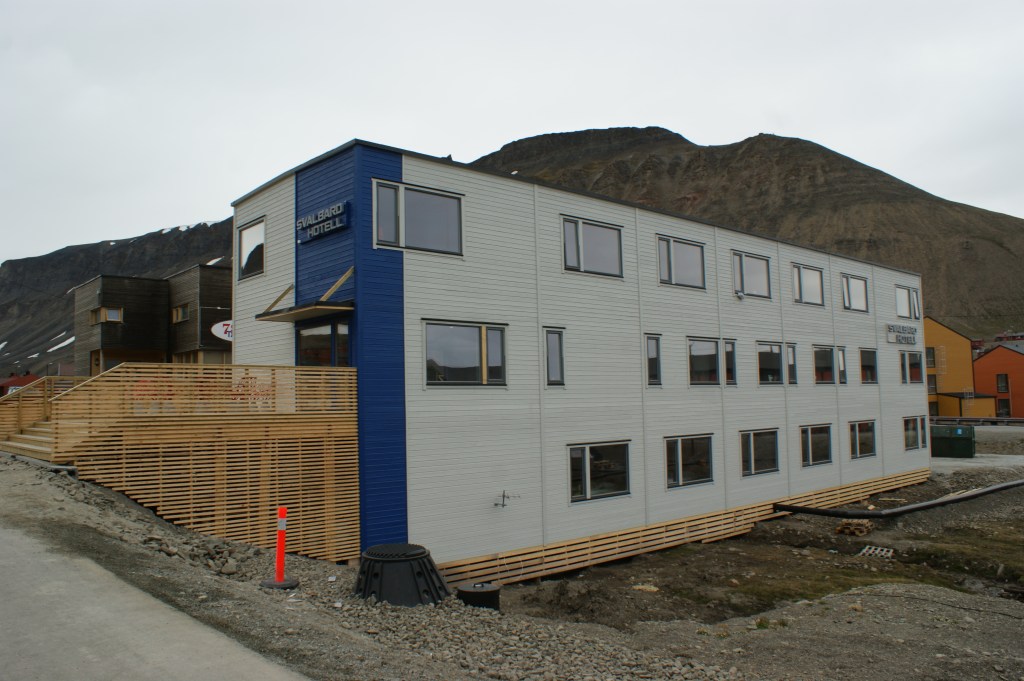
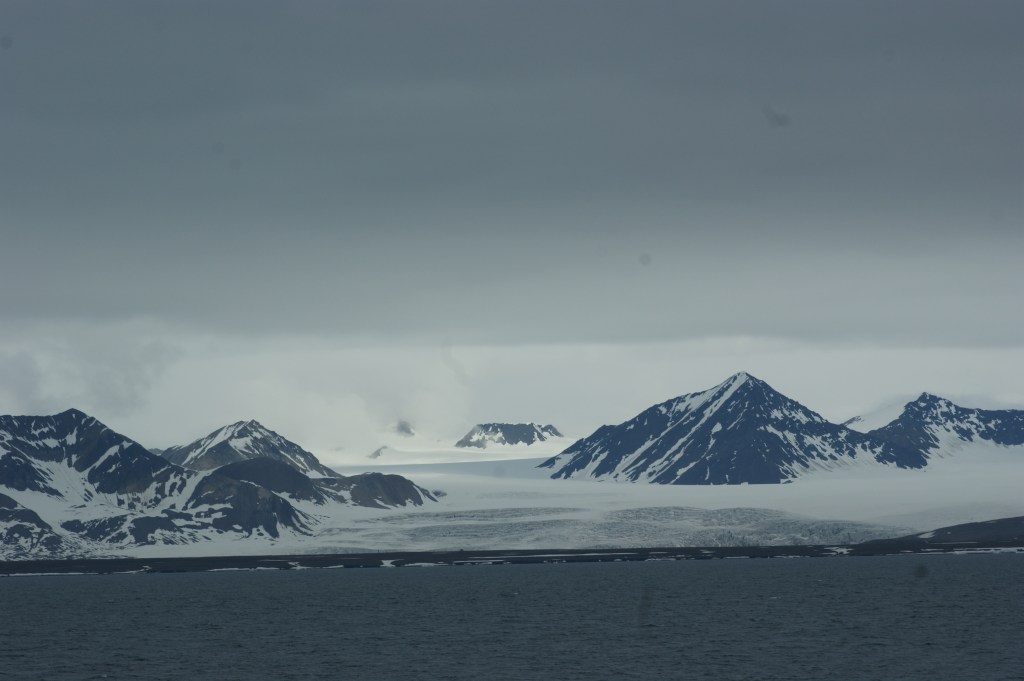
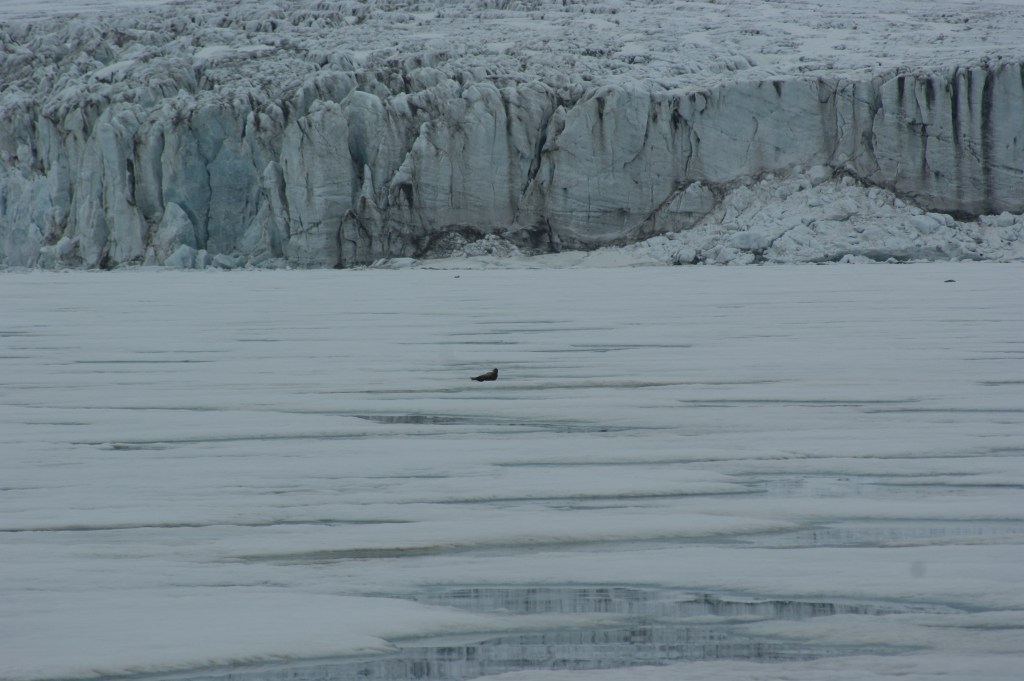
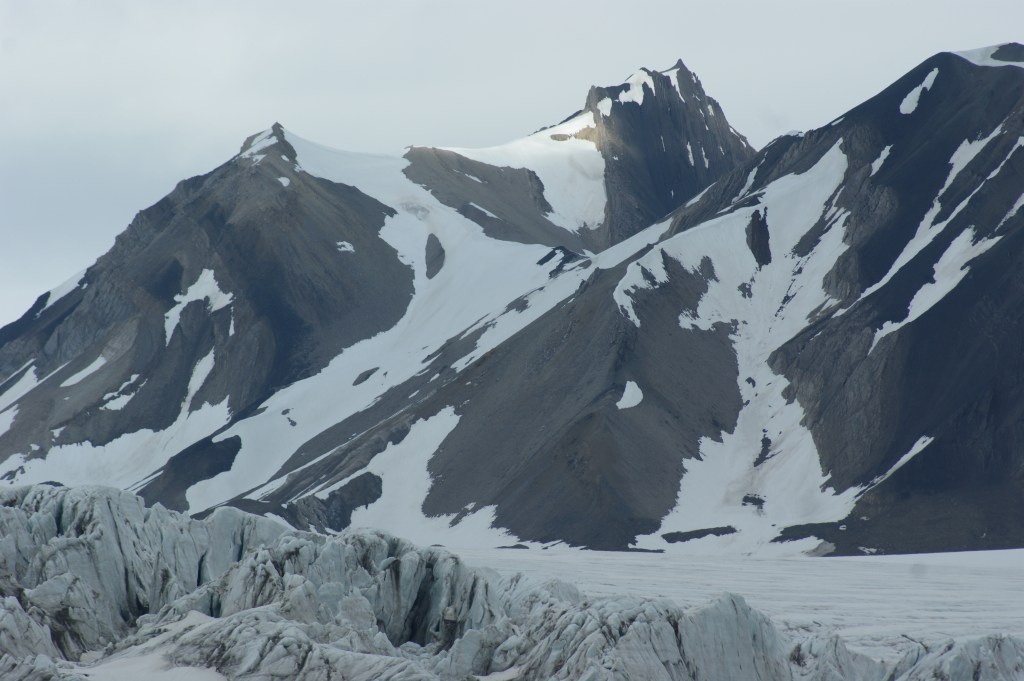
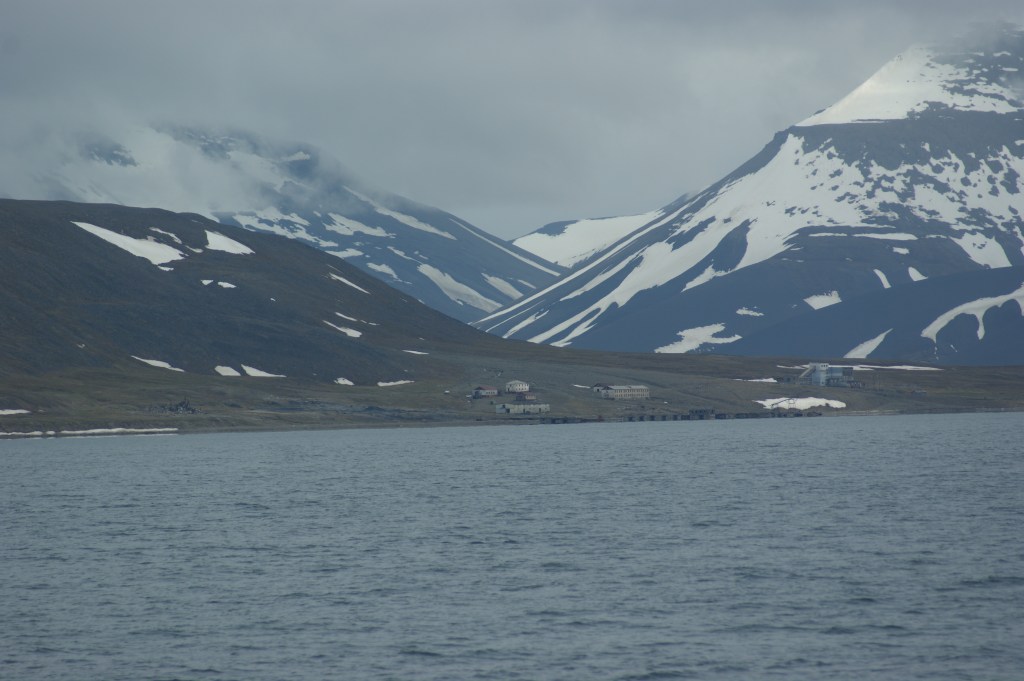
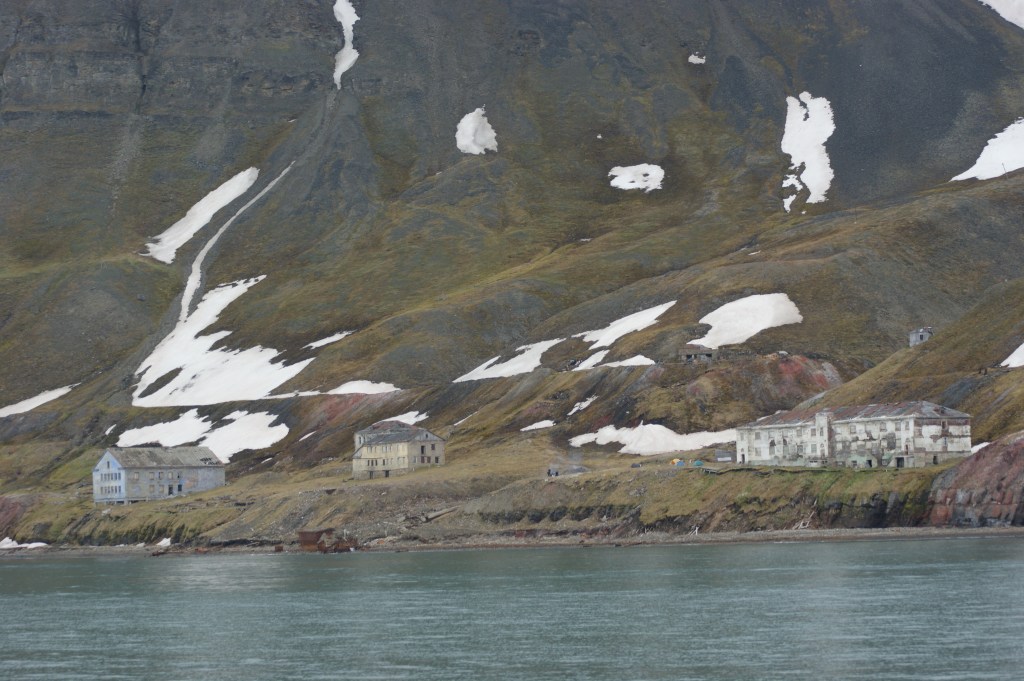
We went on a three-day trip to Svalbard in July. We stayed at the Svalbard Hotel, which was centrally located in Longyearbyen. Despite the fact that it was summer, a fresh and cold wind was blowing, so the first thing we did was buy gloves, a hat and a scarf. We had a few nice days there where we visited an interesting museum, which told part of Svalbard’s history from the time of whaling and similar coal mining. We also went on a trip with the tourist boat, «Polargirl», which took us on a day trip to the edge of the glacier, Esmarkbreen, where we saw seals lying on the ice floes there. The tour then went to the Russian settlement in Barentsburg. It was interesting to see the Russian community there with a primary school, a small church, hospital, research park, museum, sports hall with swimming pool, own barn and greenhouse. (If there is an interest in seeing pictures and a brief history of Barentsburg, it is under the chapter on Russia). We had heard a lot about the restaurant «Huset», which was known for its wonderful dishes with, among other things, ingredients from Svalbard and the Arctic in combination with wine from its own wine cellar. The house had one of Scandinavia’s largest wine cellars with over 15,000 bottles. It was an unforgettable evening for us, where we ate a lovely seven-course dinner with wine, while we could enjoy the great view of the mining facilities in the mountains in beautiful Arctic nature. We also went to a restaurant near where we lived and ate seal steak – a dish we probably won’t be ordering again.
Norsk:
Svalbard er en norsk øygruppe i Arktis, og ligger omtrent midt mellom Fastlands-Norge og Nordpolen. Navnet Svalbard er av norrøn opprinnelse, og betyr «den kalde kysten», og ordet finnes i flere islandske årbøker fra 1100-tallet. Ved folketellingen i 2020 var det 2 884 innbyggere der. (Wikipedia, Statistisk Sentralbyrå). Svalbard består av øyer, holmer og skjær, og den største av øyene er Spitsbergen, etterfulgt av Nordaustlandet, Edgeøya og Barentsøya. Longyearbyen er det administrative senteret for øygruppen som administreres av Sysselmesteren på Svalbard. Andre bebyggelser i tillegg til forskningsstasjoner, er det russiske gruvesamfunnet i Barentsburg, forskningssamfunnet i Ny-Ålesund og bebyggelse i forbindelse med gruvedriften ved Sveagruven.
Øyene ble først tatt i bruk som hvalfangstbase i det 17. og 18. århundre, men ble etter hvert forlatt. I begynnelsen av det 20. århundre begynte gruvedriften etter kull, noe som førte til at flere samfunn ble etablert på øygruppen. Svalbardtraktaten av 9. februar 1920, anerkjente norsk suverenitet, og med Svalbardloven av 1925 ble øygruppen en fullstendig del av kongeriket Norge. Grunnlaget for innlemmelsen av Svalbard i Norge var alle de mangeårige ekspedisjonene til øygruppen. De eneste gjenværende gruveselskapene som driver kulldrift på Svalbard i dag er Store Norske Spitsbergen Kullkompani og det russiske Trust Arktikugol. Forskning og turisme har blitt viktige tilleggsnæringer i tillegg til Universitetet på Svalbard og Svalbard globale frøhvelv. Frøhvelvet ble åpnet i 2007, og rommer opptil tre millioner forskjellige typer frø fra hele verden. Ingen veier forbinder bosettingene på Svalbard, det blir i stedet brukt snøskuter, fly og båter som transportmiddel. Svalbard har både cruisehavn og stykkgodshavn med rutetrafikk til og fra Tromsø med gods. Det er også kullhavn i Longyearbyen og Svea for eksport til kontinentet. Svalbard lufthavn, Longyear, er den viktigste kommunikasjonsporten til omverdenen. (Wikipedia).
Vi var på en tredagers tur til Svalbard i juli måned. Vi bodde på Svalbard hotell som lå sentralt til i Longyearbyen. Til tross for at det var sommer så blåste det en frisk og kald vind, så det første vi gjorde var å kjøpe oss votter, lue og skjerf. Vi hadde noen fine dager der hvor vi besøkte et interessant museum, som fortalte en del av Svalbards historie fra tiden med hvalfangst og likedan kulldrift. Vi dro også på tur med turistbåten, «Polargirl», som tok oss med på en dagstur inn til kanten av isbreen, Esmarkbreen, hvor vi så seler som lå på isflakene der. Videre gikk turen inn til den russiske bosettingen i Barentsburg. Det var interessant å se det russiske samfunnet der med grunnskole, en liten kirke, sykehus, forskningspark, museum, idrettshall med svømmebasseng, eget fjøs og drivhus. (Dersom det er interesse for å se bilder og en kort historikk om Barentsburg, så ligger det under kapitlet om Russland). Vi hadde hørt mye om spisestedet «Huset» som var kjent for sine fantastiske retter med blant annet råvarer fra Svalbard og Arktis i kombinasjon med vin fra egen vinkjeller. Huset hadde en av Skandinavias største vinkjellere med over 15 000 flasker. Det ble for oss en uforglemmelig kveld hvor vi spiste en nydelig syv retters middag med vin til, mens vi kunne nyte den flotte utsikten mot gruveanleggene i fjellet i vakker Arktis natur. Vi var også på en restaurant i nærheten av der bodde og spiste selbiff – en rett vi nok ikke kommer til å bestille igjen.



































 Vår vidunderlige verden