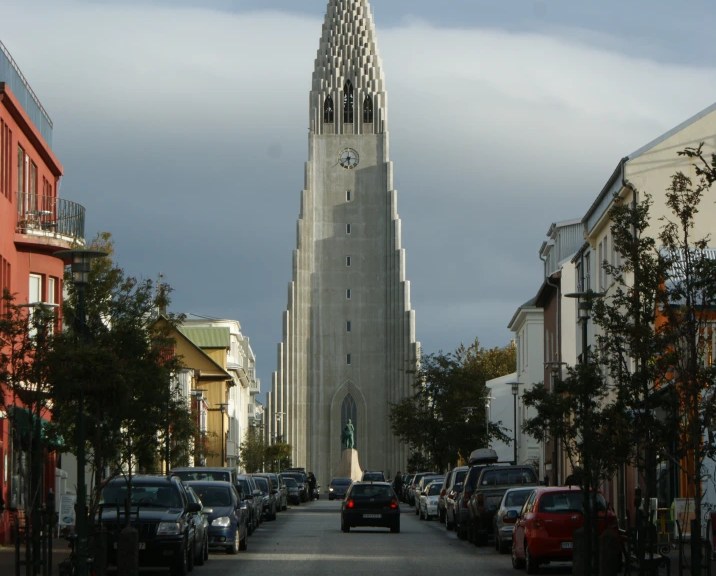
Reykjavik, which was declared as Iceland’s capital in 1944, is the largest and the world’s northernmost capital. With suburbs and the areas around Reykjavik, the population makes up 63% of Iceland’s total population, which is 376,248 as of 1 January 2022 (Statistics Island).
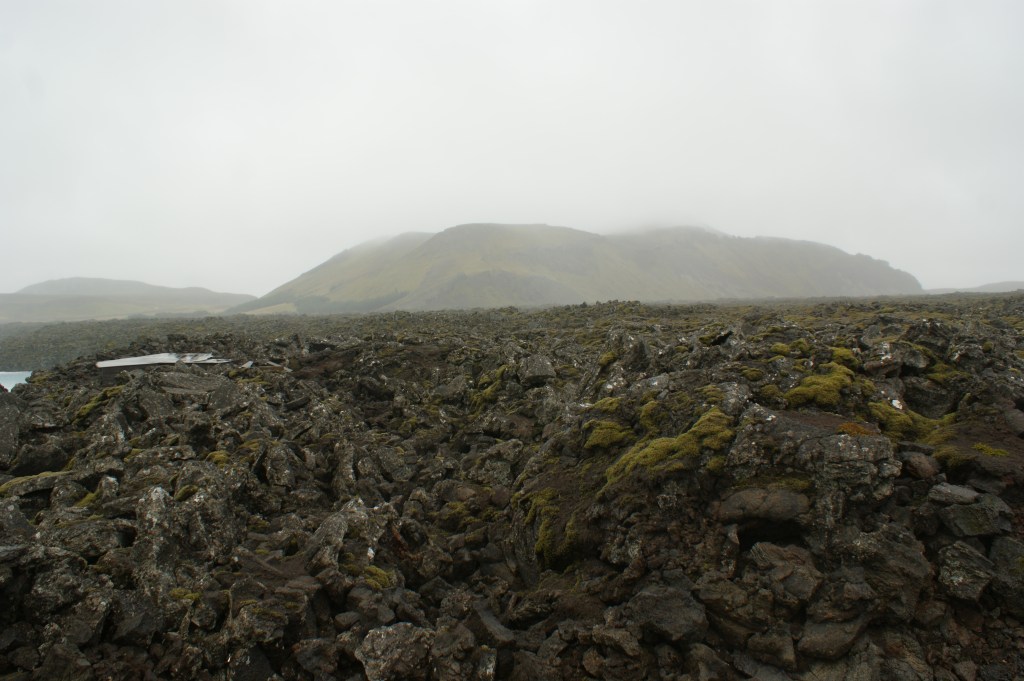
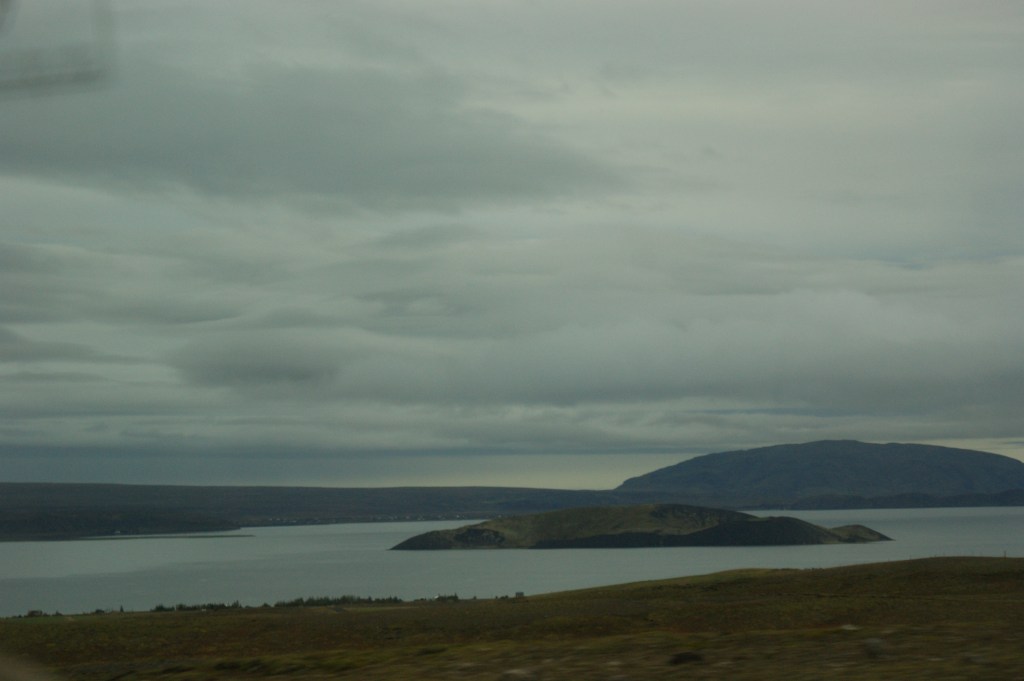
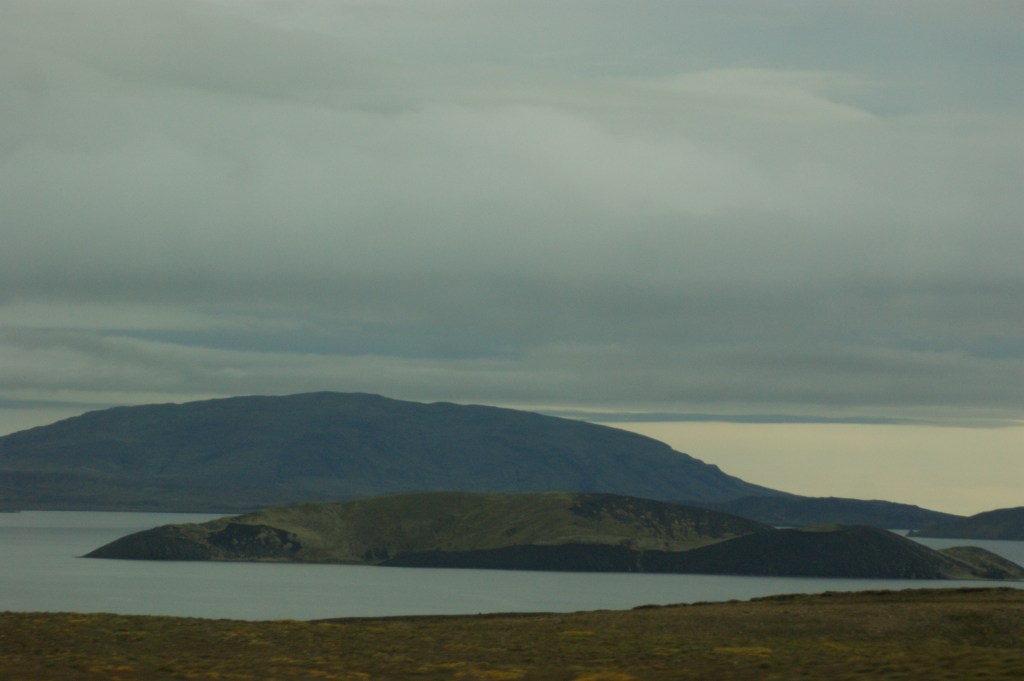
Reykjavik is named after the hot springs in Laugardal. According to Landnåmabok, Landnåm man Ingolf Arnarson was the first who buildt and lived in Reykjavík in 874. The story tells that he threw his hay seat posts into the sea, and built his farm where they drifted ashore. The island is volcanic and the landscape around Reykjavik is barren with a view of the surrounding mountains. Reykjavik was just a large farm until the 1750s when a woolen factory was established on the farm’s grounds. The place thus became a center for trade and fishing and received market town rights in 1786. Since 1801, the Alltinget has had its seat in Reykjavik, and the city grew rapidly after it got its own fishing fleet at the end of the century. In 1904, Reykjavik became the seat of the first Icelandic self-government.
Reykjavik is Iceland’s economic and cultural center. The service industry, tourism and the industry related to fishing employ the majority of the city’s inhabitants. In recent years, tourism has grown significantly, and especially of those who combine a stopover between Europe and the USA. In the year 2000, Reykjavik was designated as a European city of culture (Phil et al., Store norske lexikon; Google translated).
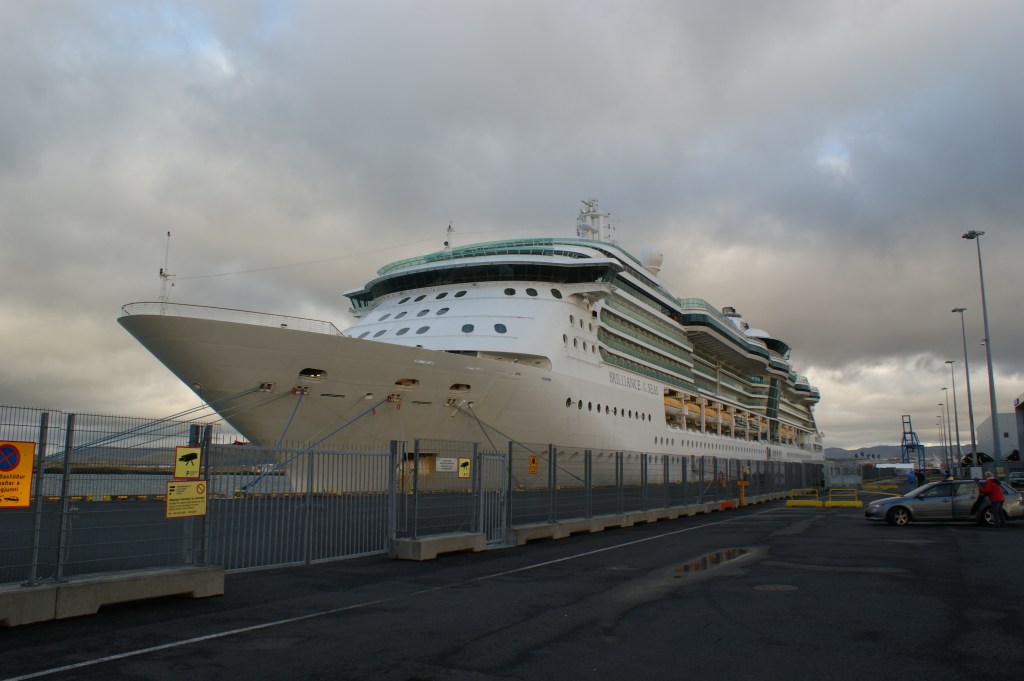
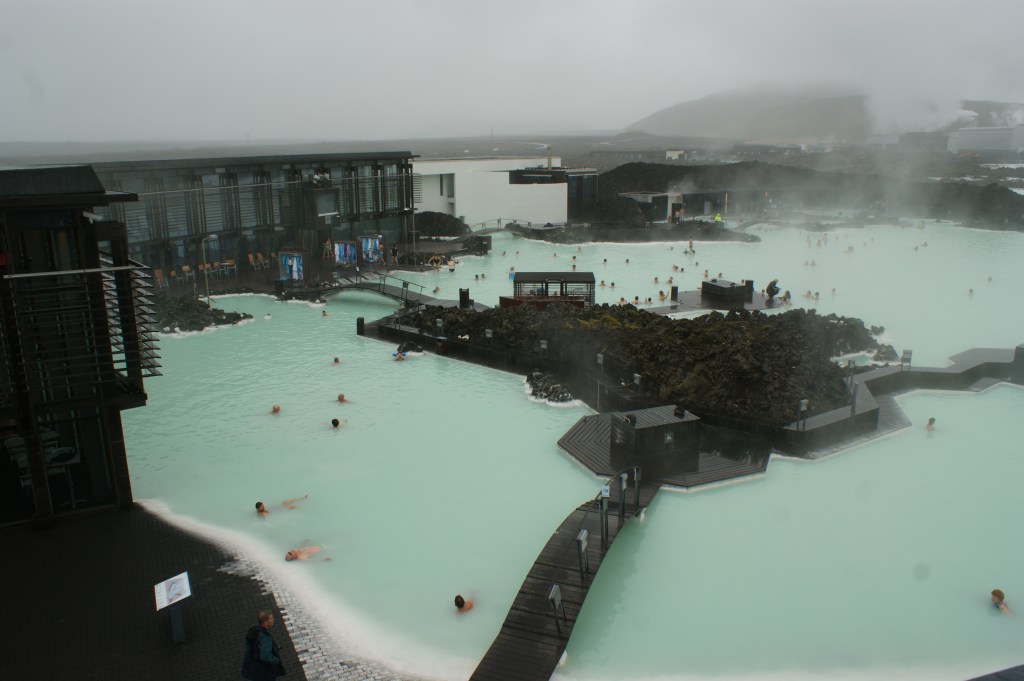
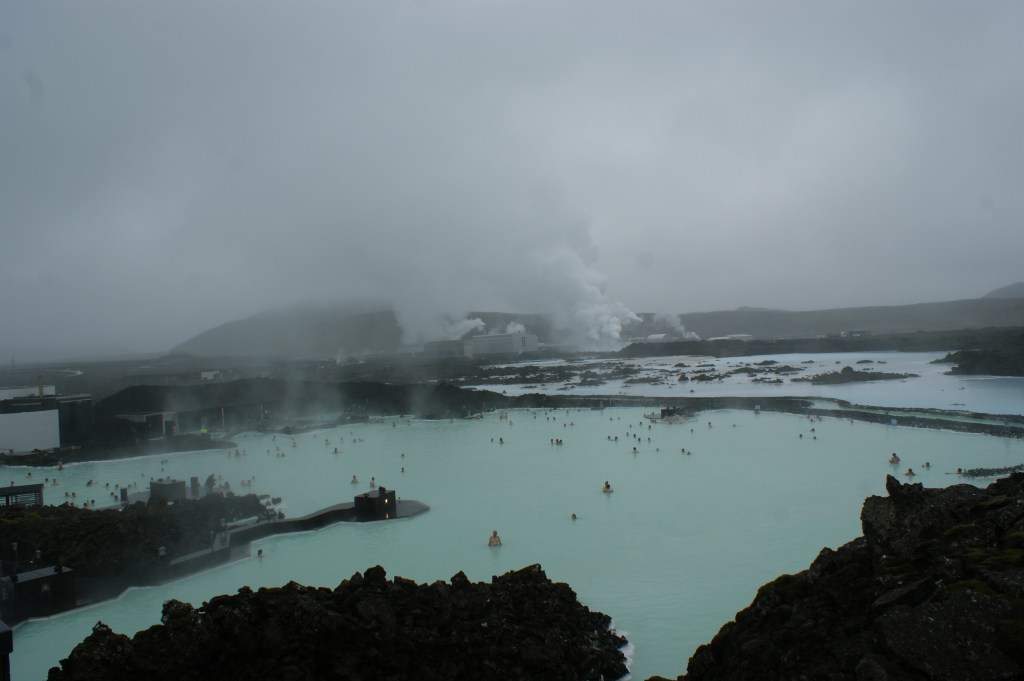
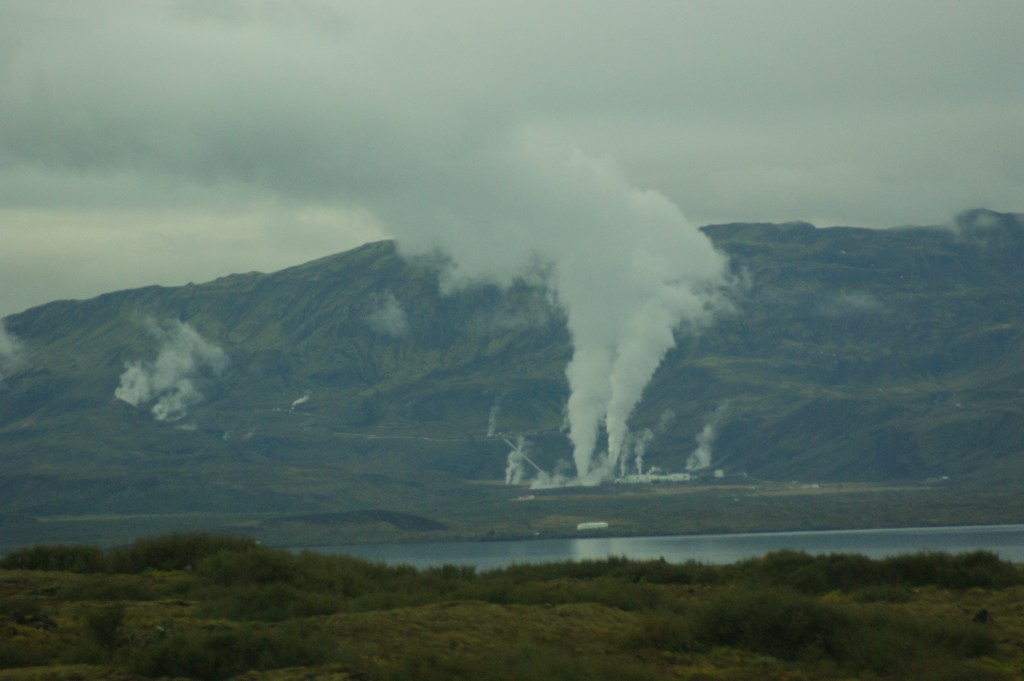
In connection with a cruise from Denmark to New York in 2012, Iceland and Reykjavik were one of the destinations where we stayed for two days. We looked forward to coming to this historic and volcanic island with its special sights out in the Atlantic. We took part in sightseeing organized by the cruise company to the Blue Lagoon. There we bathed in the mineral-rich water which is waste water from the geothermal power plant «Svartsengi power plant». The water has a high temperature and is taken from the ground near a lava flow, and is used to drive turbines that generate electricity. The water has a turquoise color as a result of the blue-green algae and white silica deposits on the bottom of the lagoon. The water in the lagoon, which is rich in silicon oxide and sulphur, has a temperature of 37 degrees all year round. (Wikipedia; Google translated).
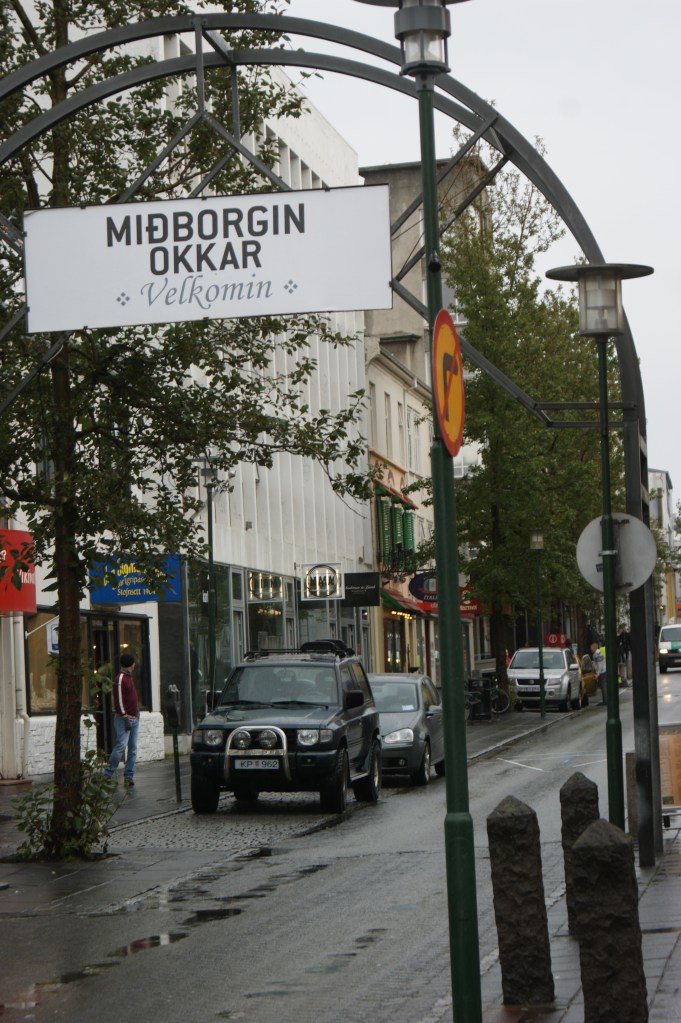
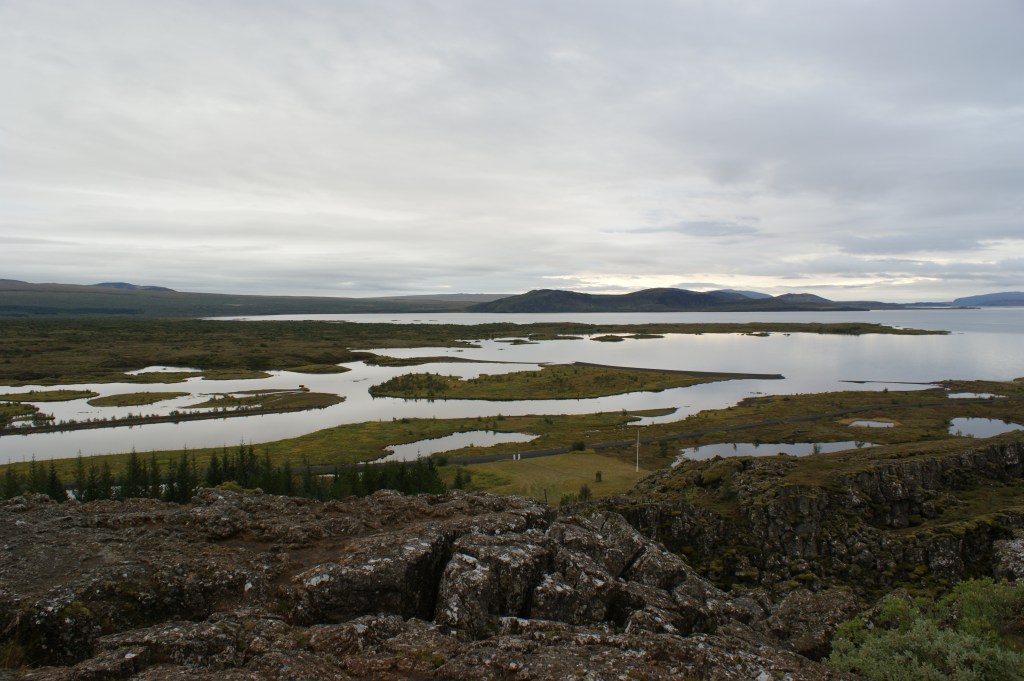
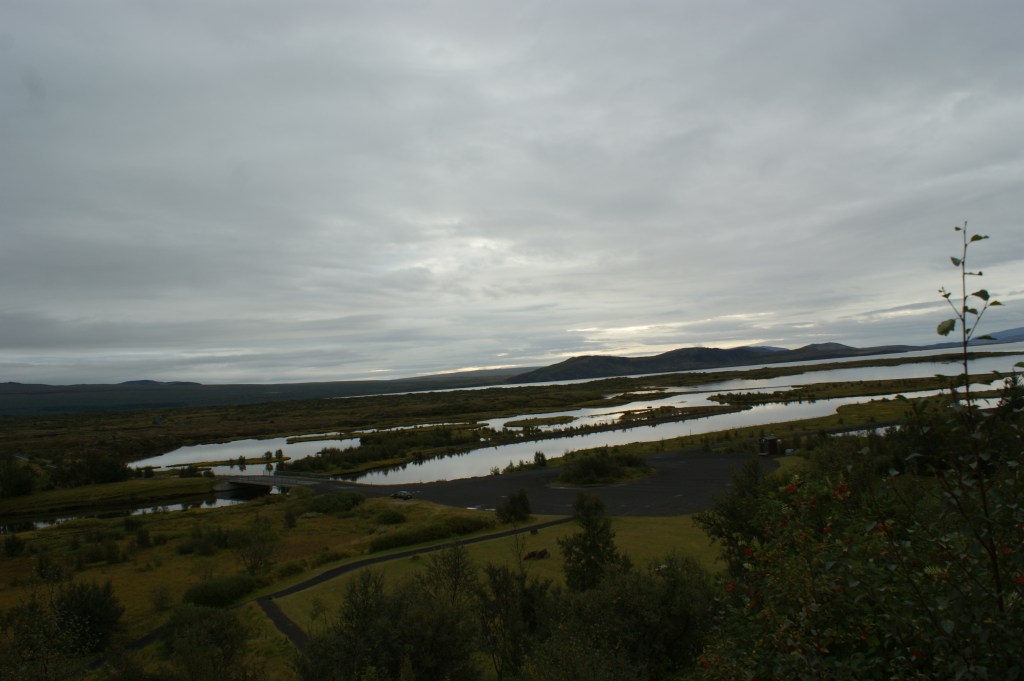
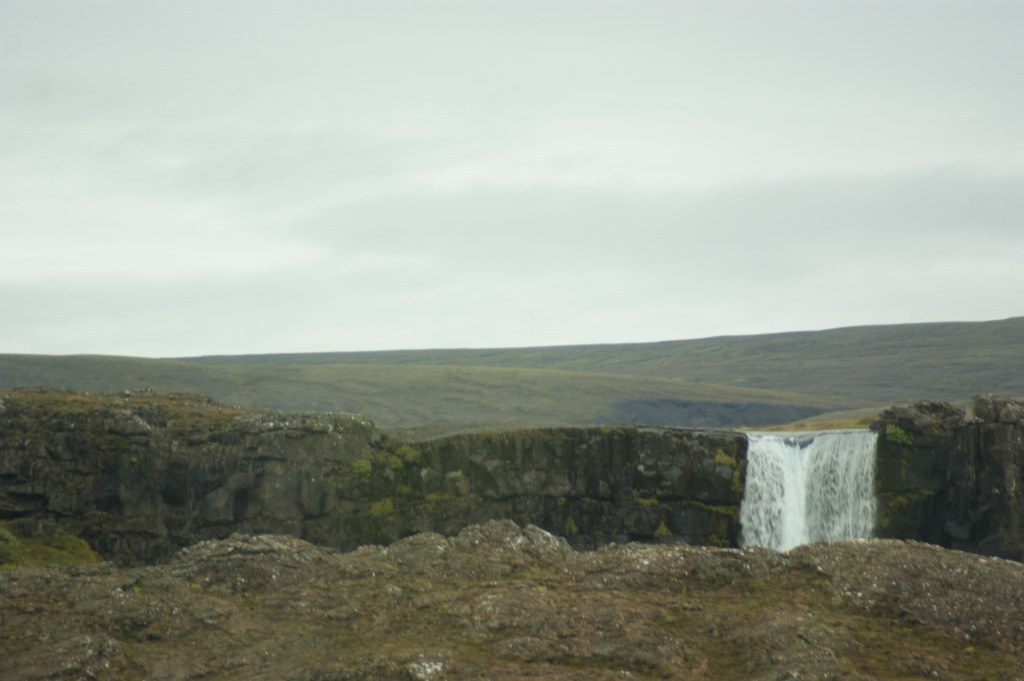
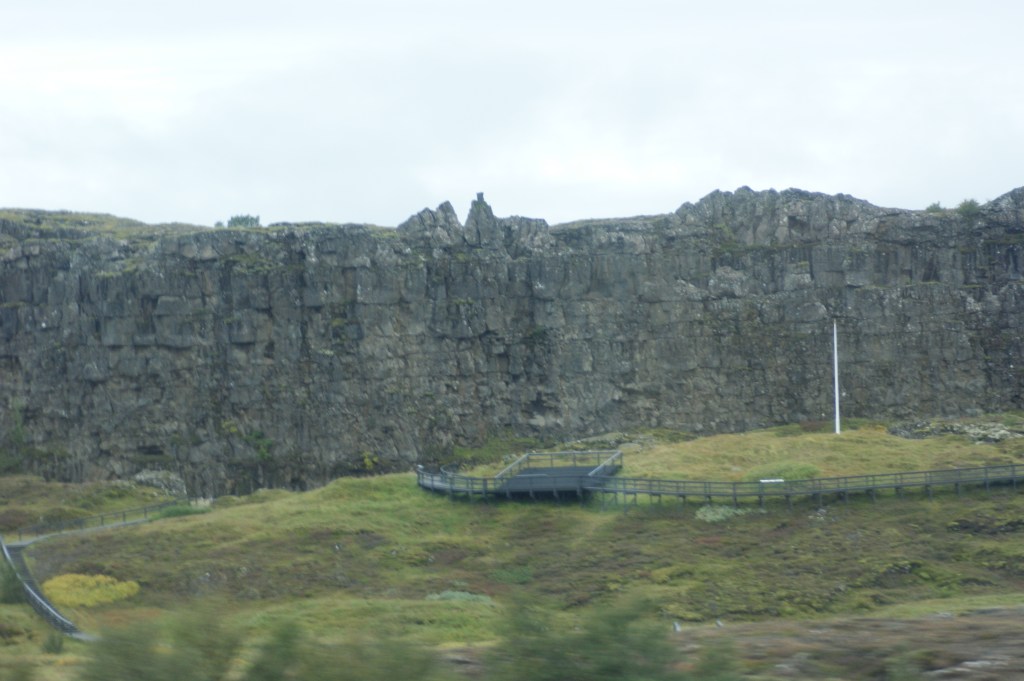
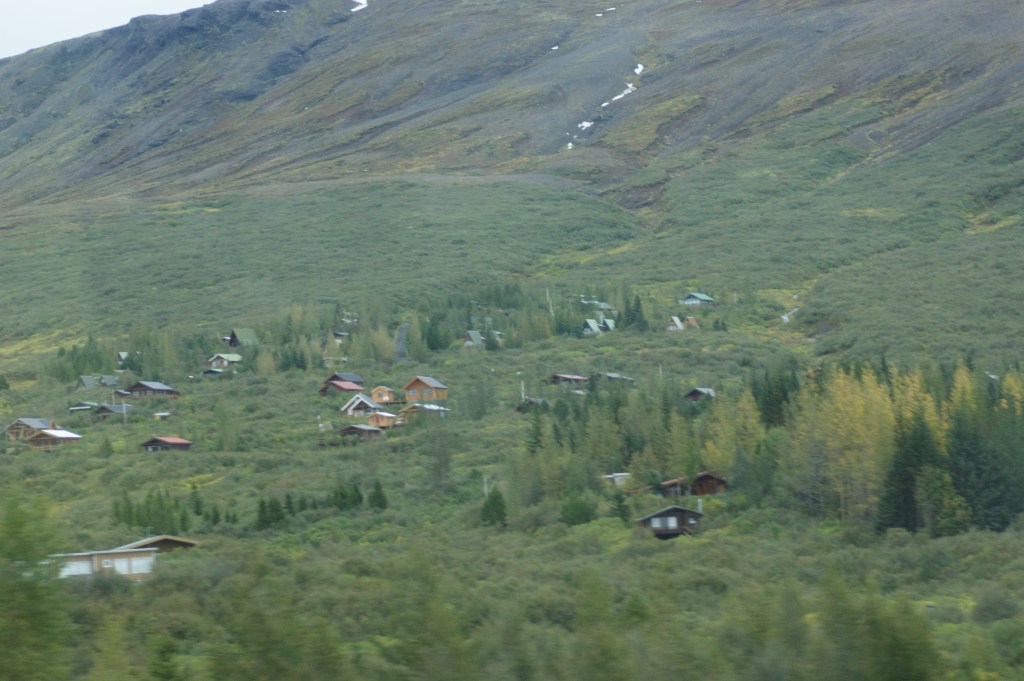
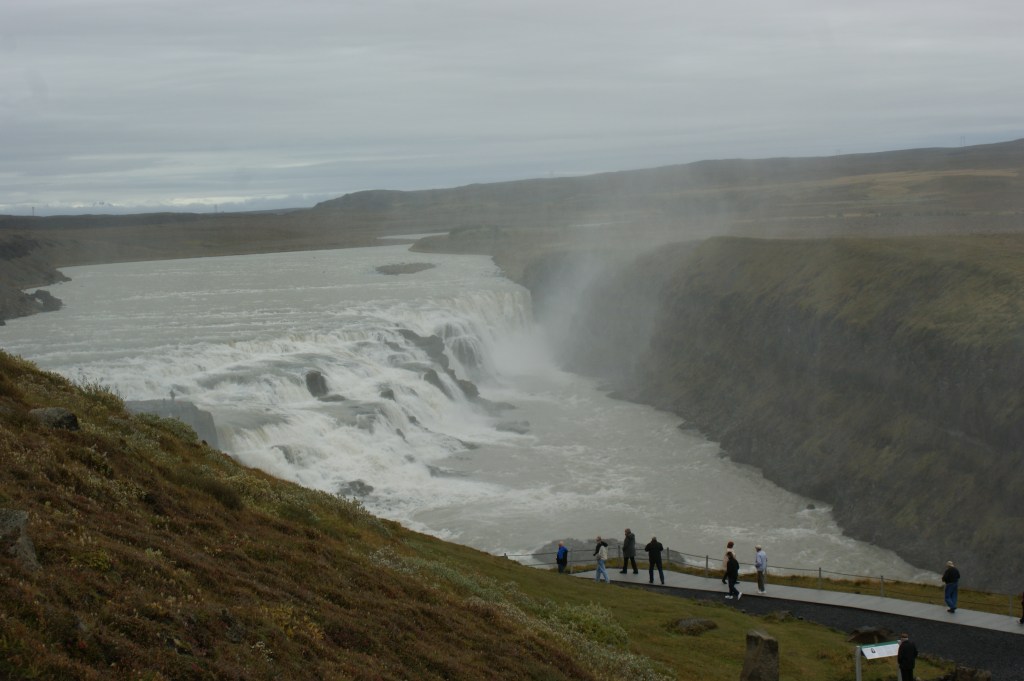
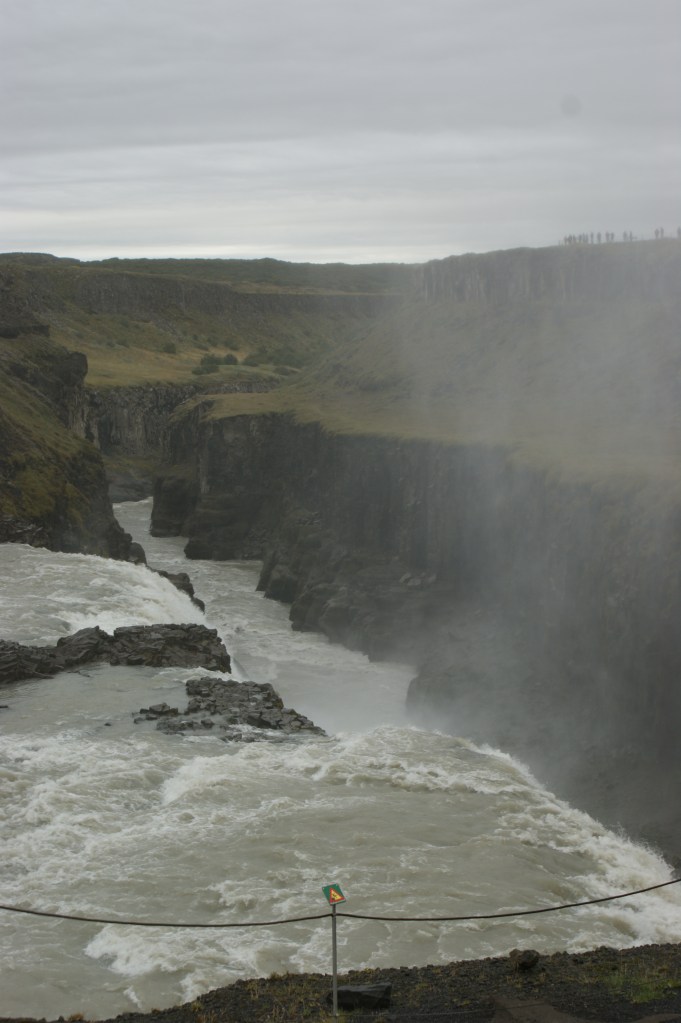
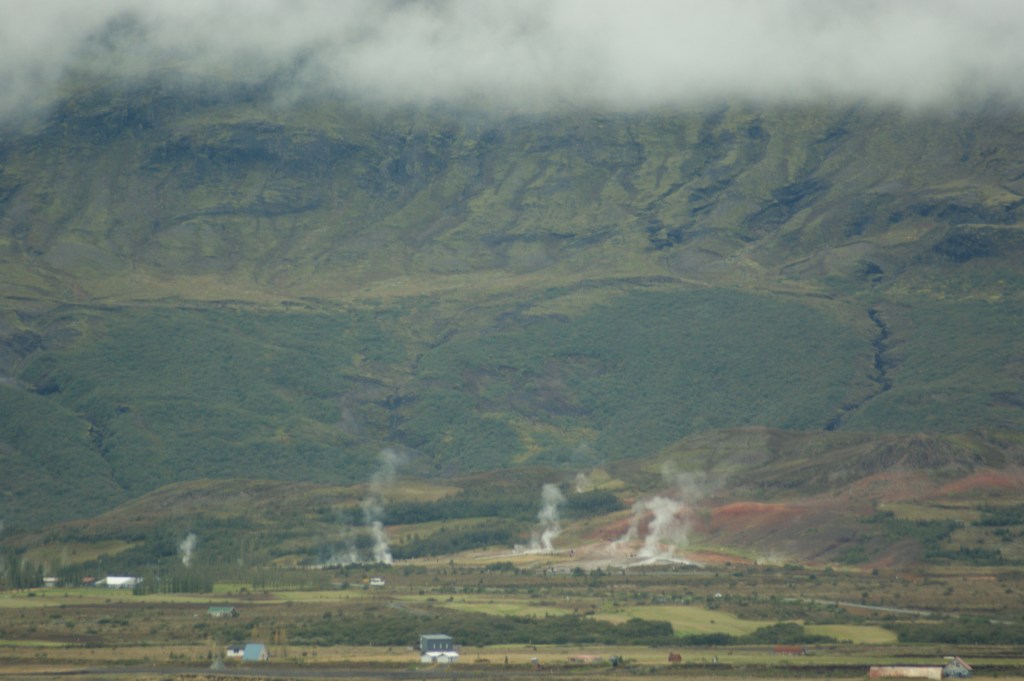
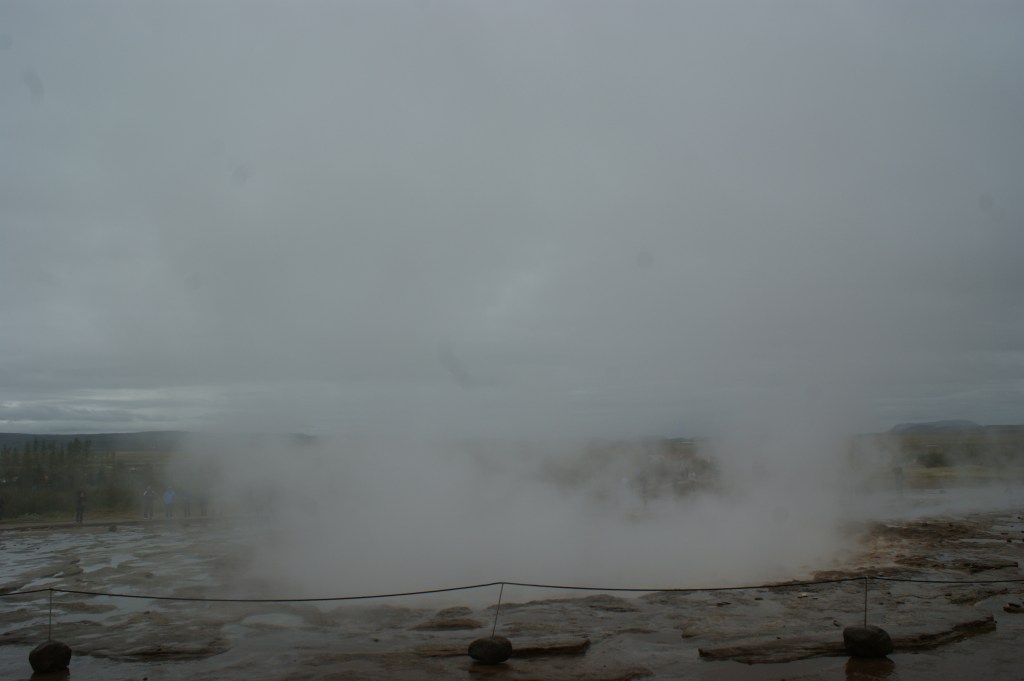
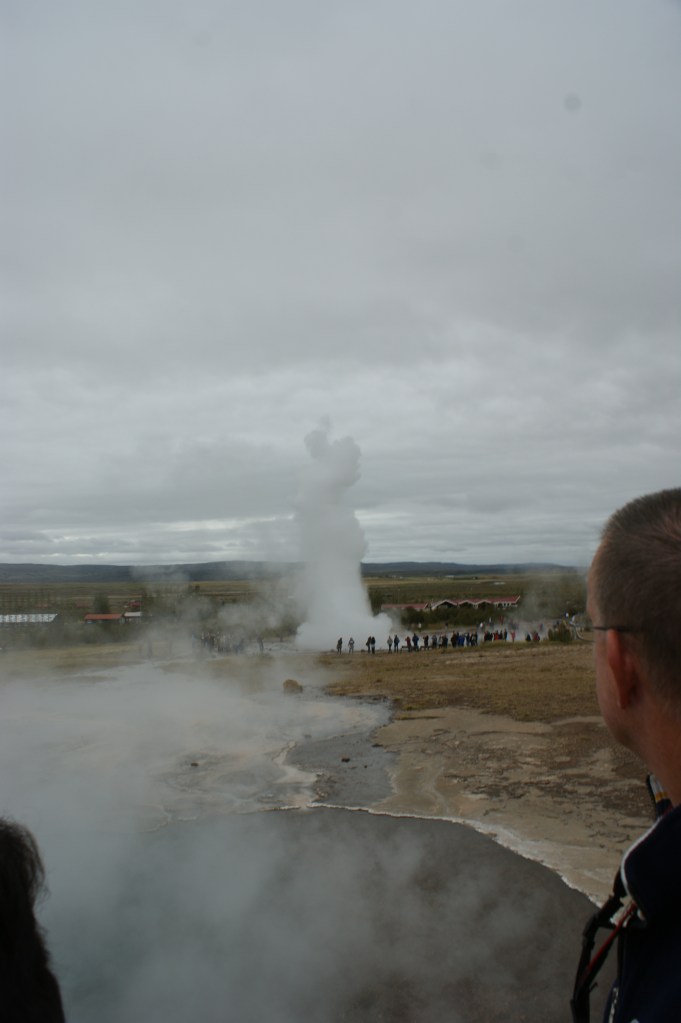
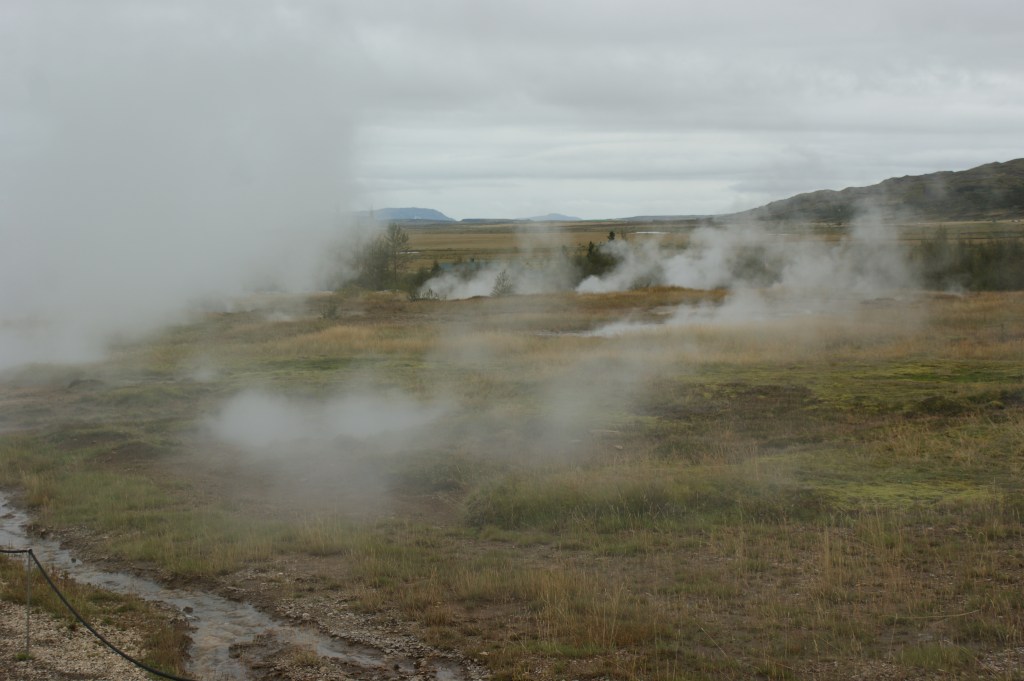
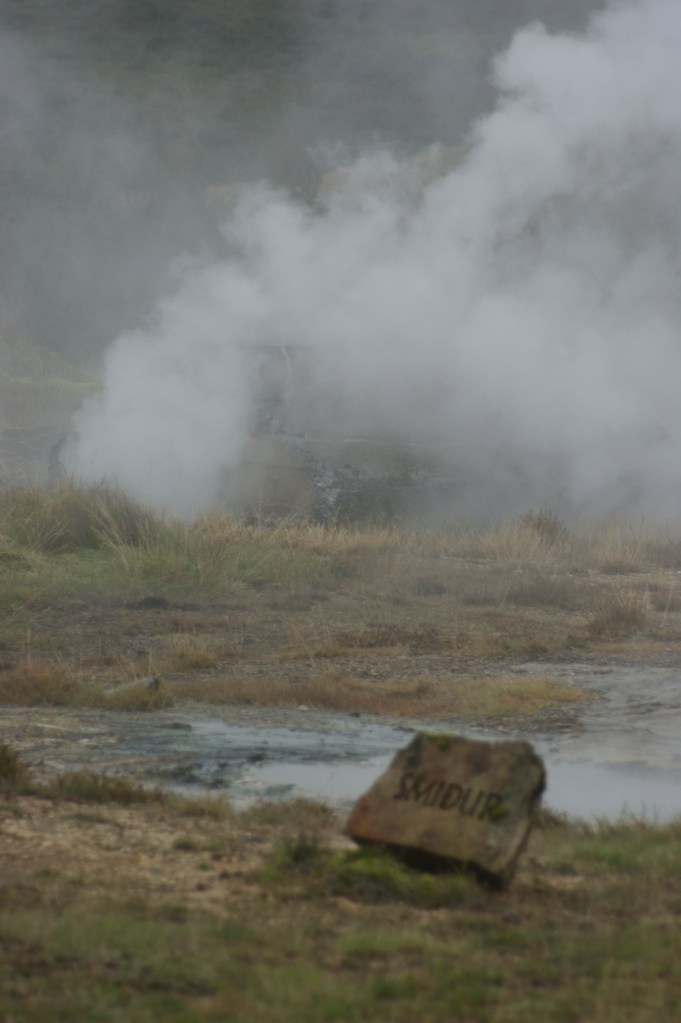
We also went to the «Golden circle» which is Geysir, Gullfoss and Tingvalla. Gullfoss is a protected waterfall in Iceland. The waterfall has a height of 32 meters divided into two falls. The top one has a drop of 11 meters and the one a little further down has a drop of 21 meters. Furthemore it was an experience to visit Geysir National Park and see Geysir Strokkur. It is a hot spring that erupts every five minutes, sending a 20 meter high column of water and steam into the air. After visiting Geysir and Gullfoss, we then went to Tingvalla, which is a plain in a valley, and it is supposed to be where the Icelanders held their first county council around the year 930. Tingvalla was declared a national park in 1928, and was added to UNESCO’s world heritage list in 2004. Finally we ended our sightseeing in the old town in Reykjavik, were we visited several shops that sold lots of great handicrafts in wool, including knitted sweaters with Icelandic patterns and more. It was special and interesting to come to Reykjavik and Iceland – a trip we would like to make again. (Google translated).
Norsk:
Reykjavik som ble erklært som Islands hovedstad i 1944, og er den største samt at den er verdens nordligste hovedstad. Med forsteder og områdene omkring Reykjavik utgjør befolkningen 63 % av Islands totale innbyggertall som er 376 248 pr 1. januar 2022 (Statistics Island).
Reykjavik har sitt navn etter de varme kildene i Laugardal. I følge Landnåmabok var landnåmsmann Ingolf Arnarson den første som bygde og bodde i Reykjavik i 874. Historien forteller at han kastet høysetestolpene sine på sjøen, og reiste sin gård der de drev i land. Øya er vulkansk og landskapet rundt Reykjavik er goldt med utsikt til fjellene omkring. Reykjavik var bare en storgård fram til 1750-tallet da det ble opprettet en ullvarefabrikk på gårdens grunn. Stedet ble med det et sentrum for handel og fiske og fikk kjøpstadsrettigheter i 1786. Siden 1801 har Alltinget hatt sitt sete i Reykjavik, og byen vokste raskt etter at den fikk sin egen fiskeflåte i slutten av århundret. I 1904 ble Reykjavik sete for det første Islandske selvstyre.
Reykjavik er lslands økonomiske og kulturelle senter. Tjenesteytende næring, turisme samt industrien med tilknytning til fiske sysselsetter størstedelen av byens innbyggere. I de senere årene har turismen vokst betydelig, og særlig av de som kombinerer en mellomlanding mellom Europa og USA. I år 2000 ble Reykjavik utpekt som europeisk kulturby (Phil m.fl., Store norske leksikon).
I forbindelse med cruise fra Danmark til New York i 2012 var Island og Reykjavik en av destinasjonene hvor vi var i to døgn. Vi så med spenning på å komme til denne historiske og vulkanske øya med sine spesielle severdigheter ute i Atlanteren. Vi deltok på sightseeing som ble arrangert av cruiseselskapet til Den blå lagune. Der badet vi i det mineralholdige vannet som er spillvann fra det geotermiske kraftverket «Svartsengi kraftverk». Vannet har høy temperatur og hentes fra grunnen nær en lavaflyt, og brukes for å drive turbiner som genererer elektrisitet. Vannet har en turkis farge som følge av de blågrønne algene og hvite kiselutfellinger på bunnen av lagunen. Vannet i lagunen som er rikholdig på silisiumoksid og svovel, har en temperatur på 37 grader året rundt. (Wikipedia).
Vi dro videre til den «Gylne sirkel» som er Geysir, Gullfoss og Tingvalla. Gullfoss er en fredet foss på Island. Fossen har en høyde på 32 meter fordelt på to fall. Det øverste har et fall på 11 meter og det som er litt lenger nede har et fall på 21 meter. Det var mektig å komme til nasjonalparken Geysir og oppleve Geysir Strokkur. Dett er en varm kilde som har utbrudd hvert femte minutt hvor den sender en 20 meter høy søyle av vann og damp opp i luften. Vi dro deretter til Tingvalla som er ei slette i en dal, og det skal være der islendingene holdt sitt første landsting omkring år 930. Tingvalla ble erklært som nasjonalpark i 1928, og ble ført inn på UNESCO’s verdensarvliste i 2004. Det ble også tid til å besøke gamlebyen i Reykjavik, gå i butikker som solgte masse flott håndverk i ull, blant annet strikkegensere med islandsk mønster med mer. Det var spesielt og interessant å komme til Reykjavik og Island – en tur vi ønsker å foreta igjen.























 Vår vidunderlige verden