Munich is the capital of the state of Bavaria, and had a population of 1,488,202 inhabitants in 2021 (Wikipedia). The city is a Catholic archbishopric, and 40% of the population is Catholic. The prosperous city is located on the river Isar, and in recent decades has become one of the most important technological centers in Germany and Europe. In recent times, Munich has become a significant hub for both railways, motorways and air routes, and has traditions as an important trade centre.
The town is named after monks from the Tegernsee monastery, who settled there in the 11th century. The city was founded in 1158 by Duke Henrik Løve and was the residence of the Dukes of Bavaria from 1255-1918. Through trade with Venice and other northern Italian cities, Munich experienced a rich development in craftsmanship and art in the 15th century. In 1806, the city became the capital of the newly established Kingdom of Bavaria, and the Bavarian Landtag was established in the city. During the development of the railway network and industrialization in the second half of the 19th century, Munich had a strong expansion and became southern Germany’s leading commercial and industrial city. Munich was the starting point for Nazism, and Adolf Hitler’s seizure of power in 1933 made Munich the center of the movement. During World War II, 45% of the city center was destroyed and subjected to 71 Allied bombing raids, but was rebuilt in the post-war period. (Wikipedia; Google translated).
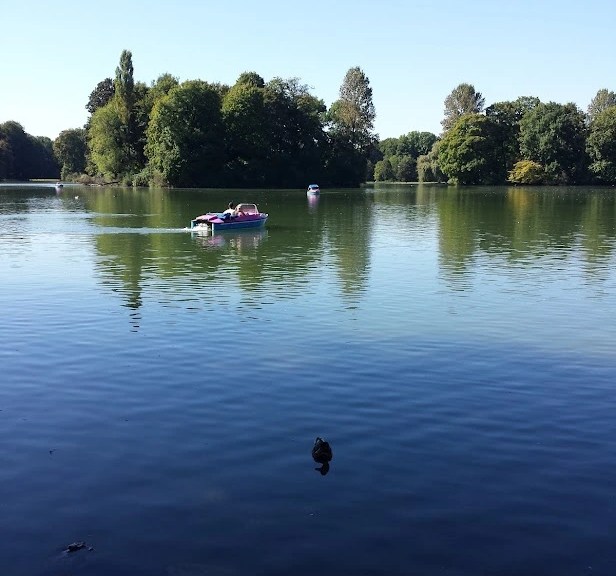
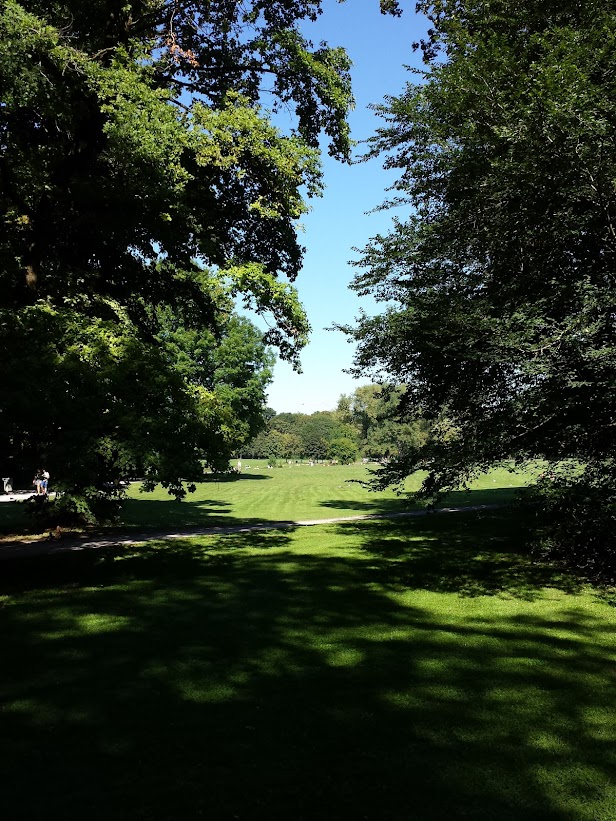
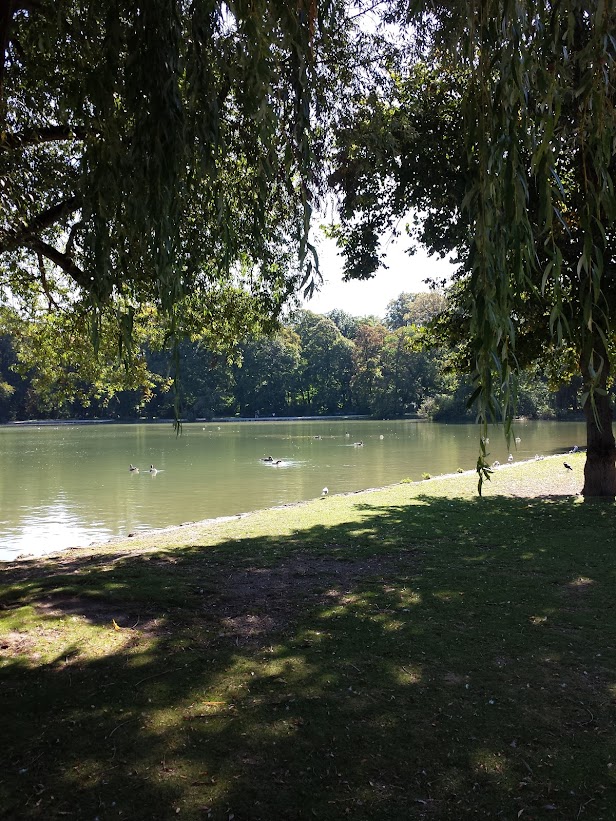
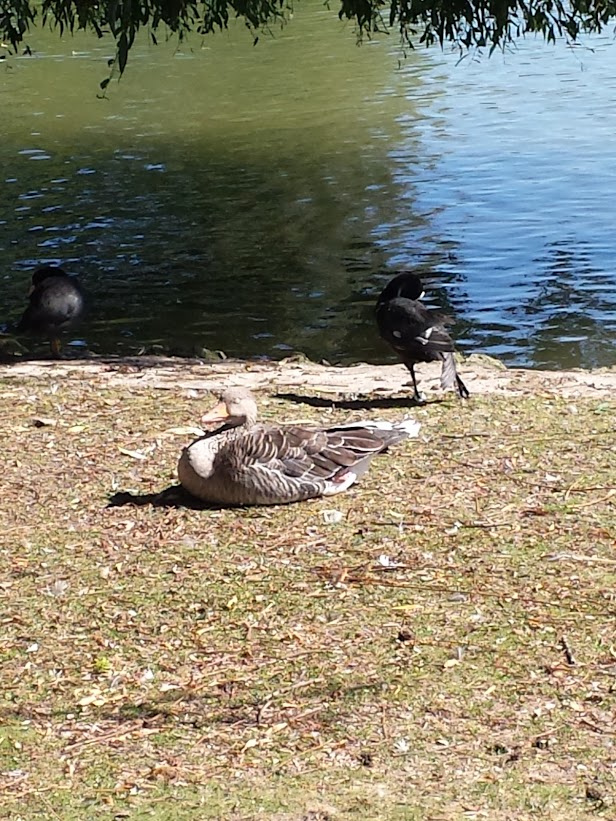
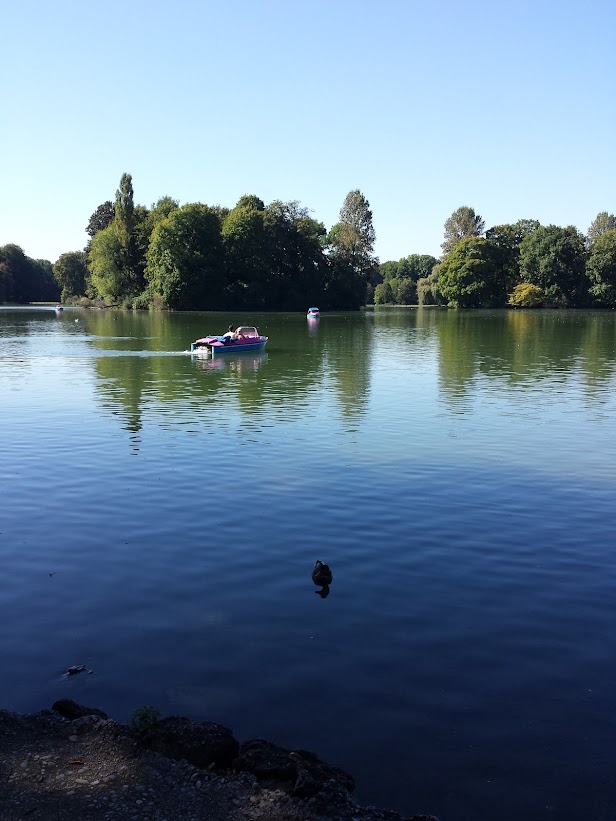
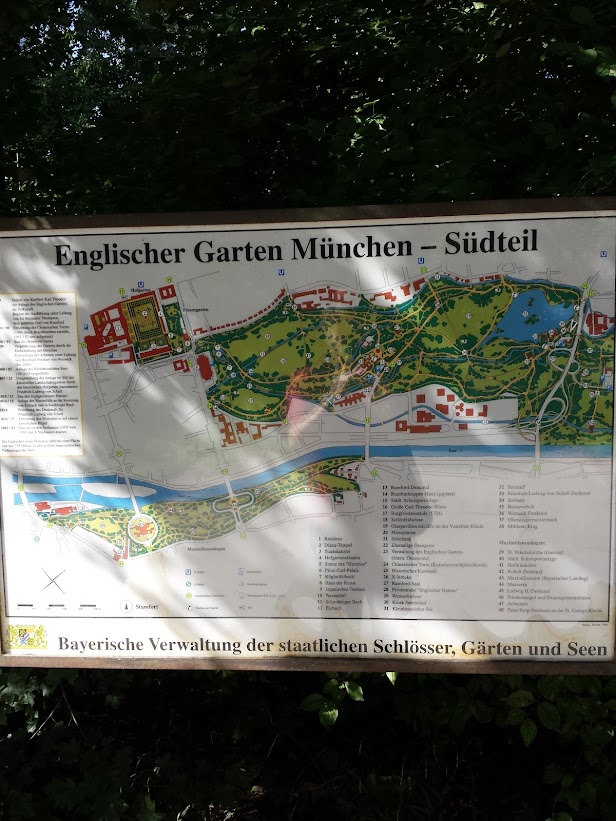
We were on holiday in Munich in September 2016, and had some great trips, including in the park «Englischer Garten». It was laid out at the end of the 18th century and is one of the largest parks in the world – somewhat larger than New York’s Central Park and several others. It is a beautiful park with birds and wildlife in beautiful surroundings – a place to find peace and «peace of mind». Recommend a visit there. We also went to Designer Outlet Shopping in the city of Ingolstadt, which took about 40 minutes by train from Munich. Here you can find «good bits» for a reasonable price.
Norsk:
Munchen er hovedstaden i delstaten Bayern, og hadde en befolkning på 1 488 202 innbyggere i 2021 (Wikipedia). Byen er et katolsk erkebispesete, og 40 % av befolkningen er katolikker. Den velstående byen ligger ved elven Isar, og er i løpet av de siste tiårene blitt ett av de viktigste teknologiske sentrene i Tyskland og Europa. Munchen er i nyere tid blitt et betydelig knutepunkt både for jernbane, motorveier og flyruter, og har tradisjoner som et viktig handelssentrum.
Byen har navn etter munker fra klosteret Tegernsee, som slo seg ned der på 1000-tallet. Byen ble grunnlagt i 1158 av hertug Henrik Løve og var residensby for hertugene av Bayern i 1255-1918. Gjennom handel med Venezia og andre norditalienske byer opplevde Munchen en rik utvikling i håndverk og kunst på 1400-tallet. I 1806 ble byen hovedstad i det nyopprettede Kongeriket Bayern, og den Bayerske landdagen ble etablert i byen. Under utbyggingen av jernbanenettet og industrialiseringen i annen halvdel av 1800-tallet, hadde Munchen en sterk ekspansjon og ble Sør-Tysklands fremste handels- og industriby. Munchen var utgangspunktet for nazismen, og Adolf Hitlers maktovertakelse i 1933 ble Munchen bevegelsens sentrum. Under andre verdenskrig ble 45 % av byens sentrum ødelagt og utsatt for 71 allierte bombeangrep, men ble gjenoppbygget i etterkrigstiden.
Vi var på ferie i Munchen i september 2016, og hadde noen flotte turer blant annet i parken «Englischer Garten». Den ble anlagt på slutten av 1700-tallet og er et av de største parkanlegg i verden – noe større enn New Yorks Central Park med flere. Det er en vakker park med fugle- og dyreliv i flotte omgivelser – et sted å finne roen og «sjelefred». Anbefaler et besøk dit. Vi dro også til Designer Outlet Shopping i byen Ingolstadt, som tok cirka 40 minutter med toget fra Munchen. Her kan en finne «god-biter» til en rimelig penge.










 Vår vidunderlige verden