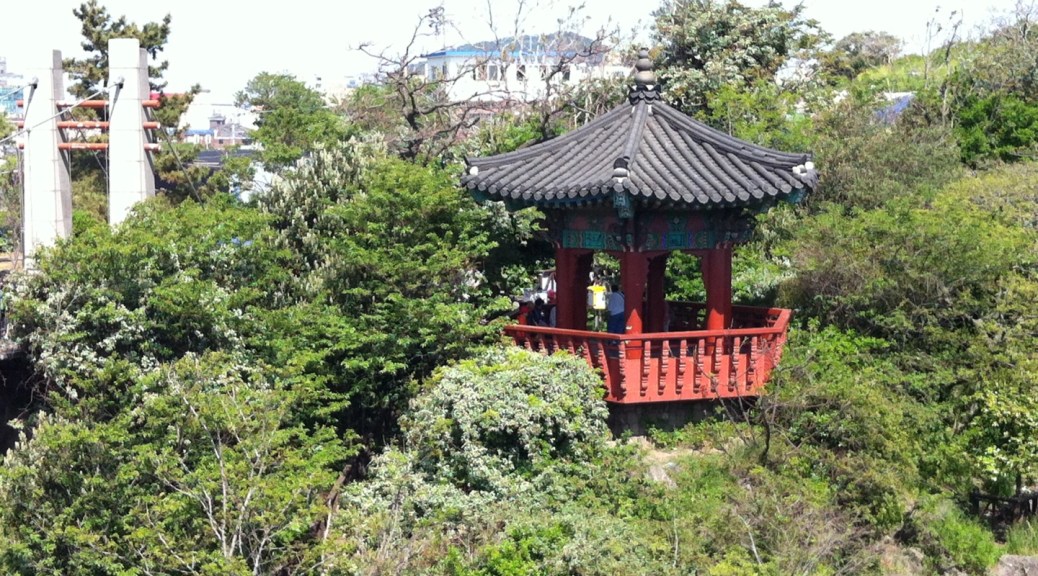
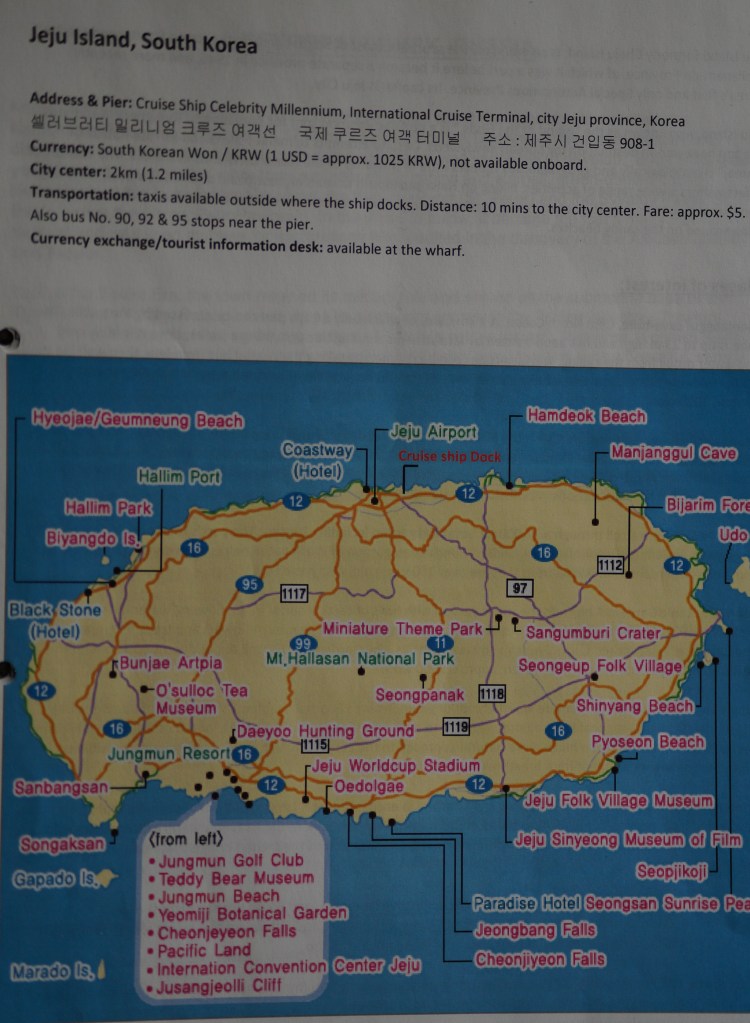
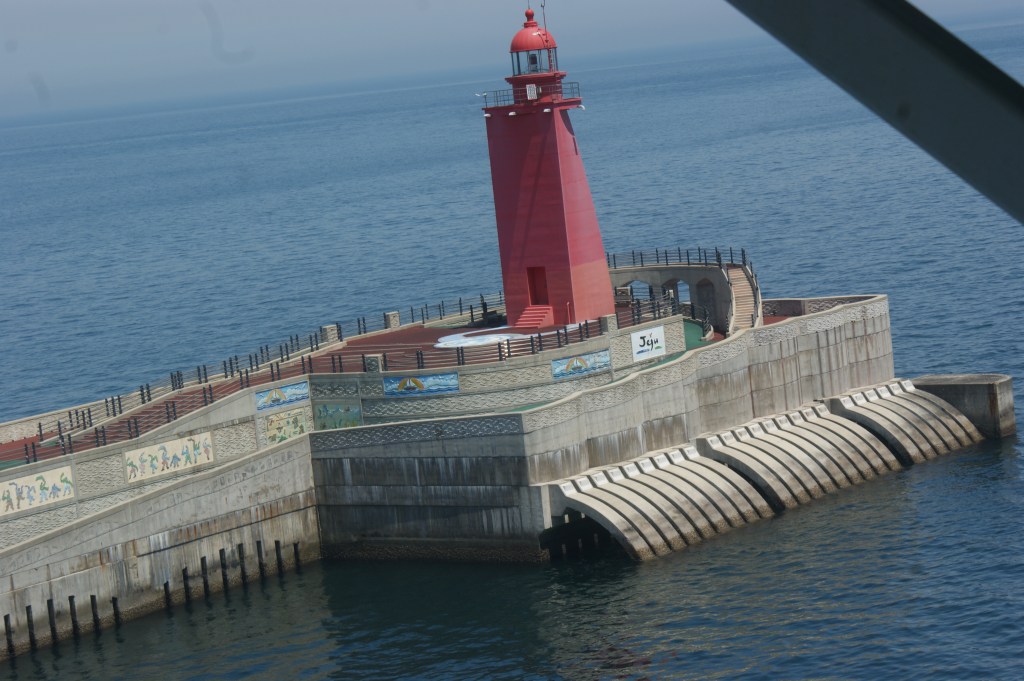
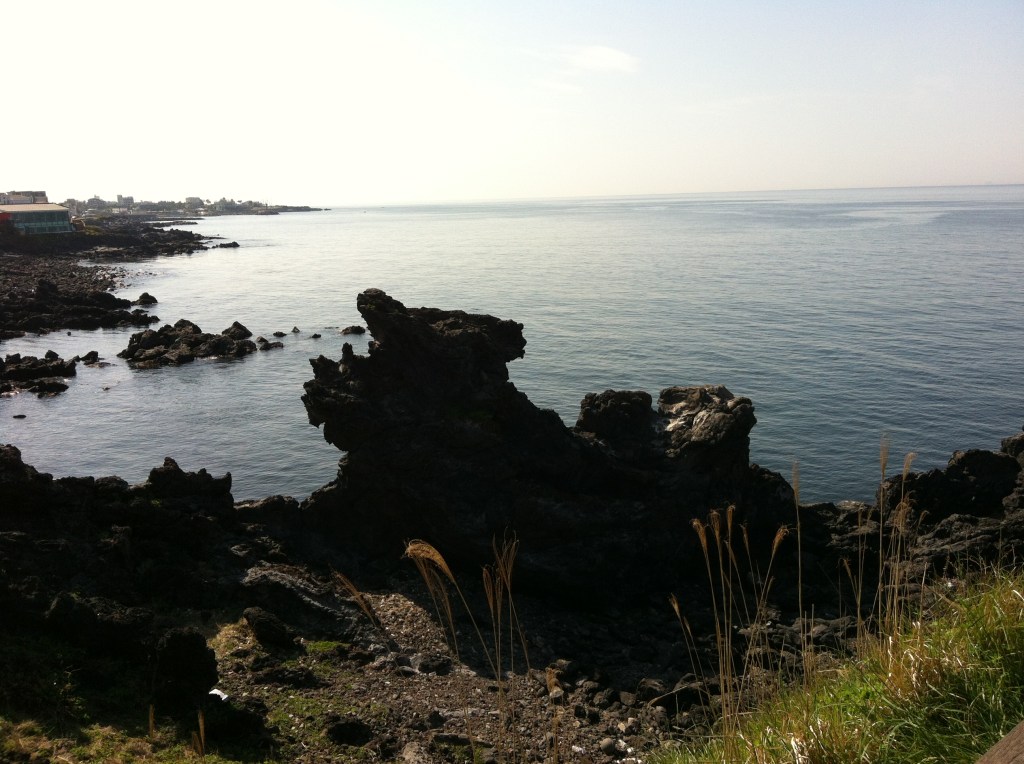
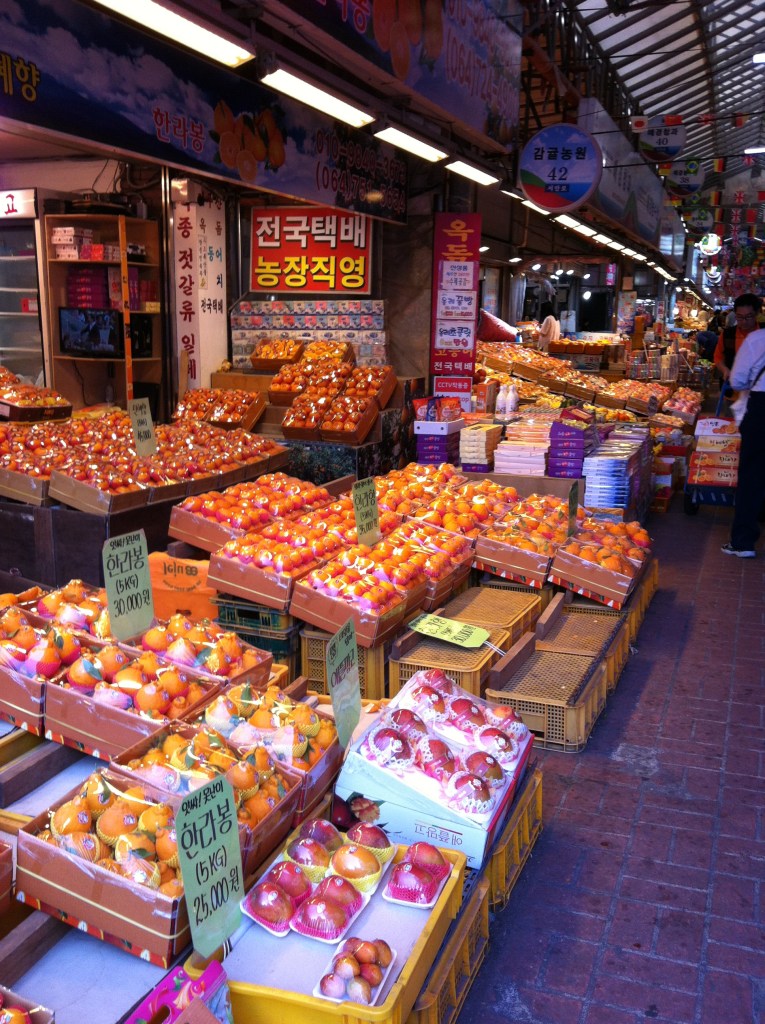
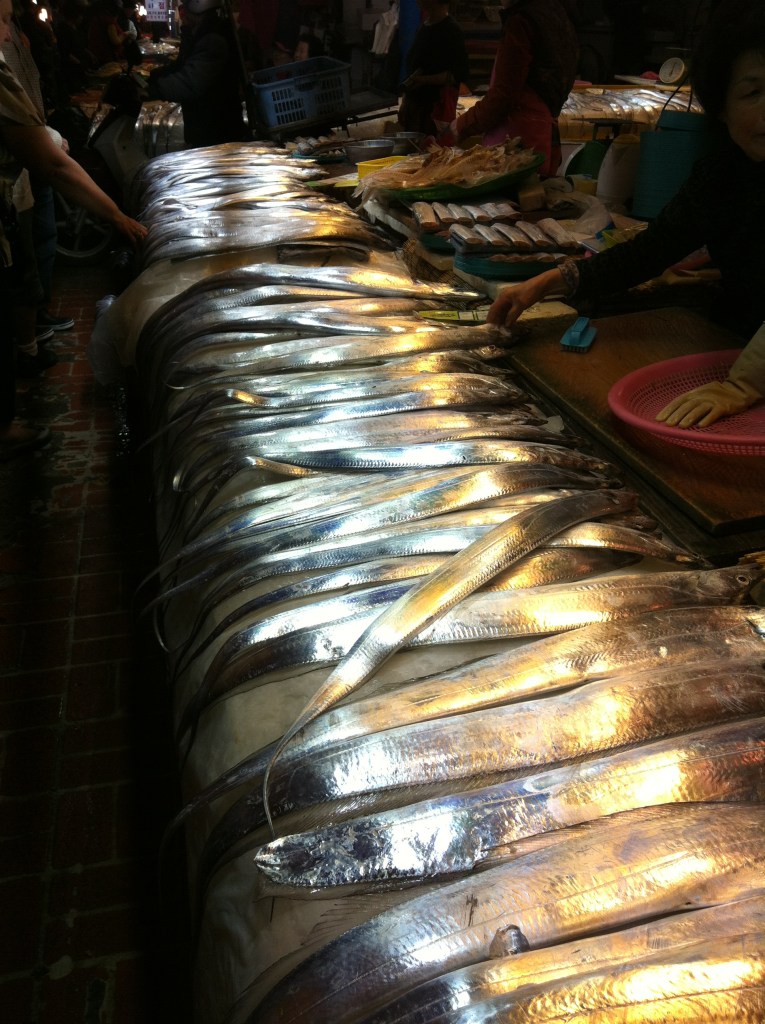
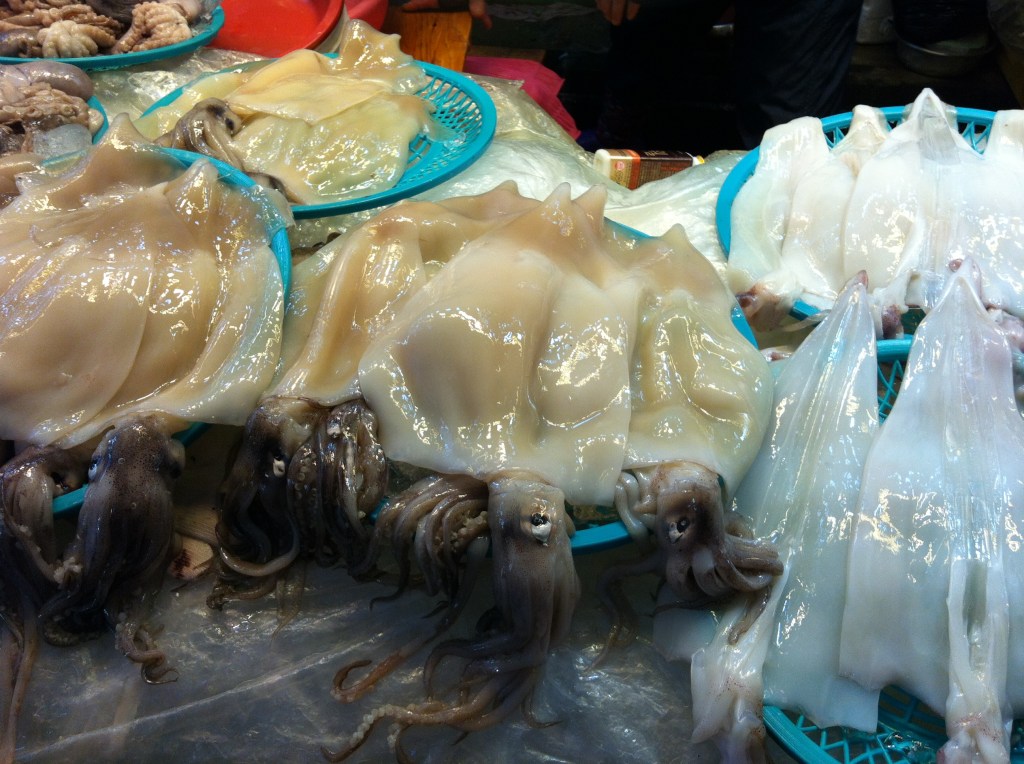
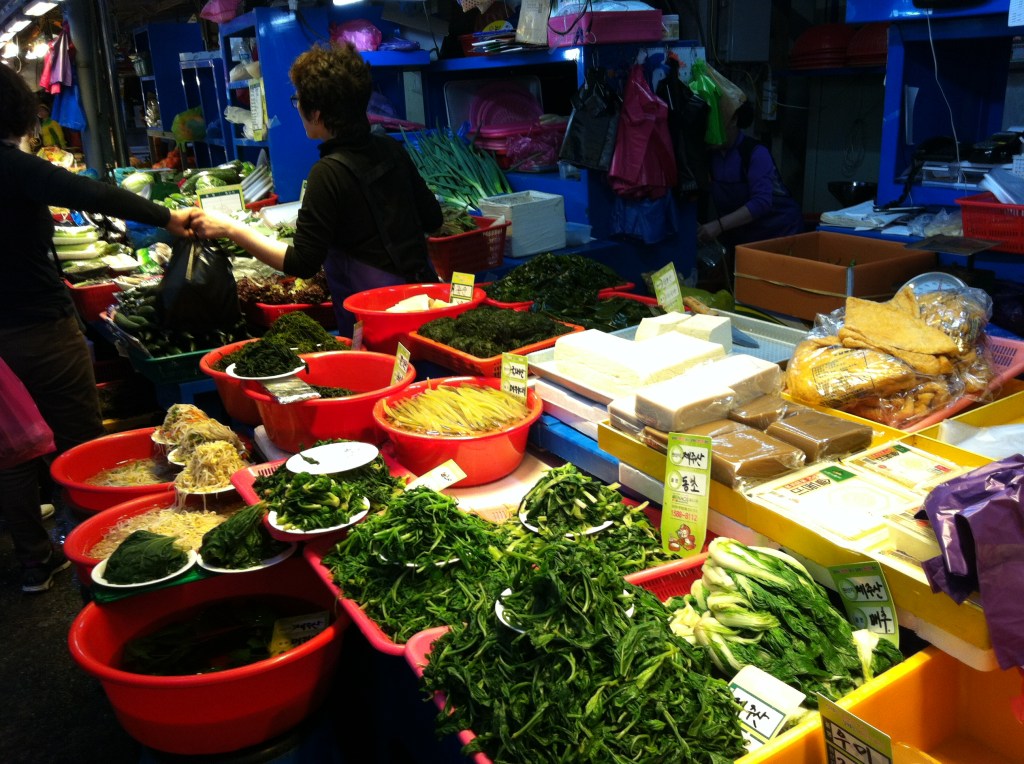
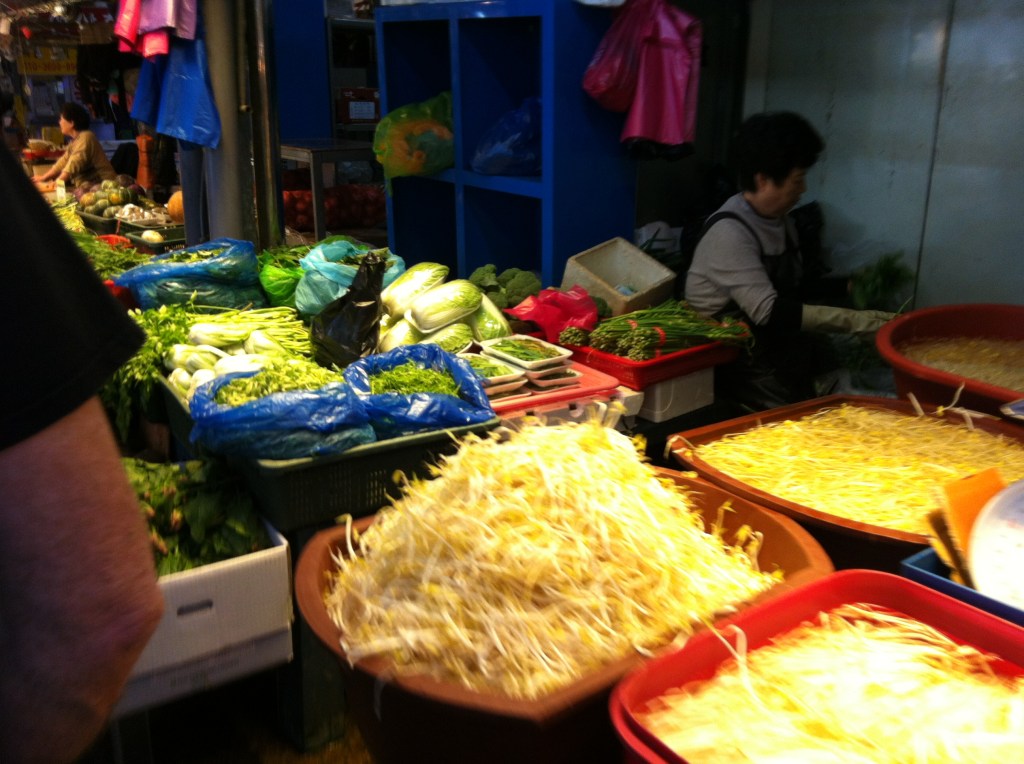
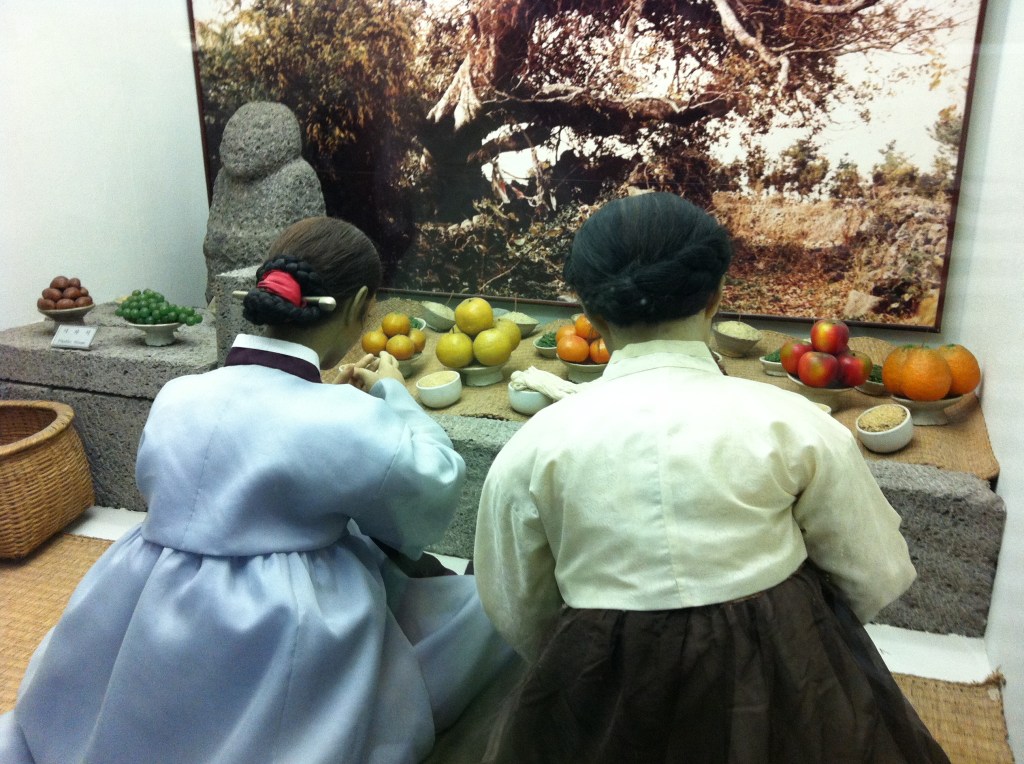
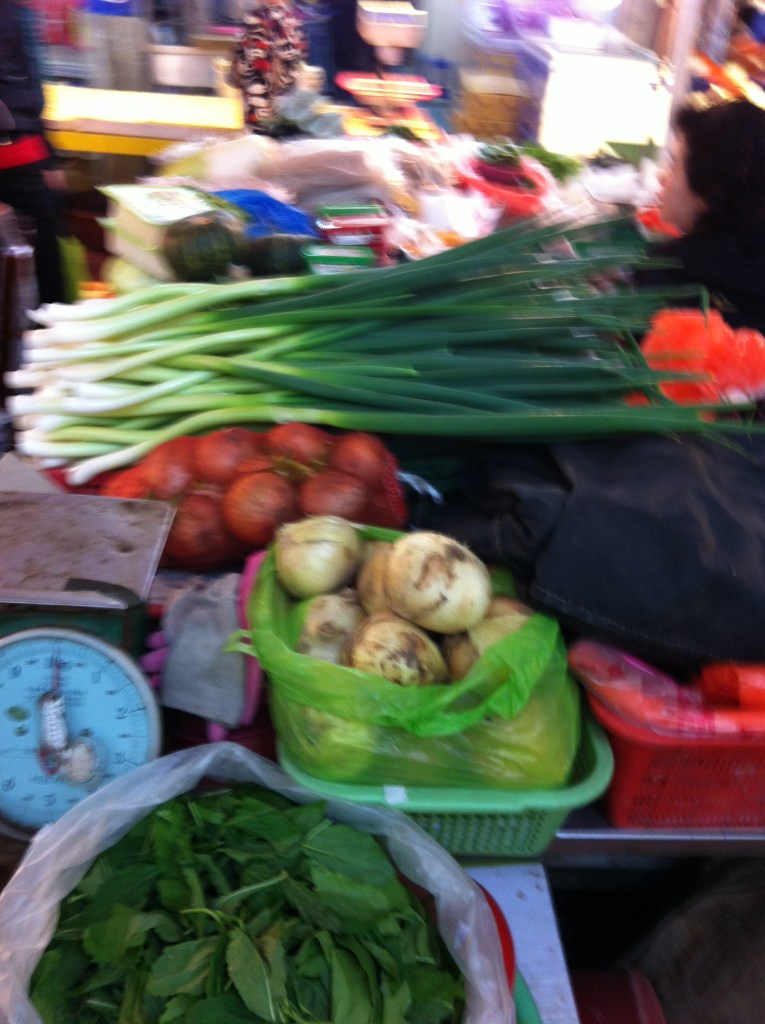
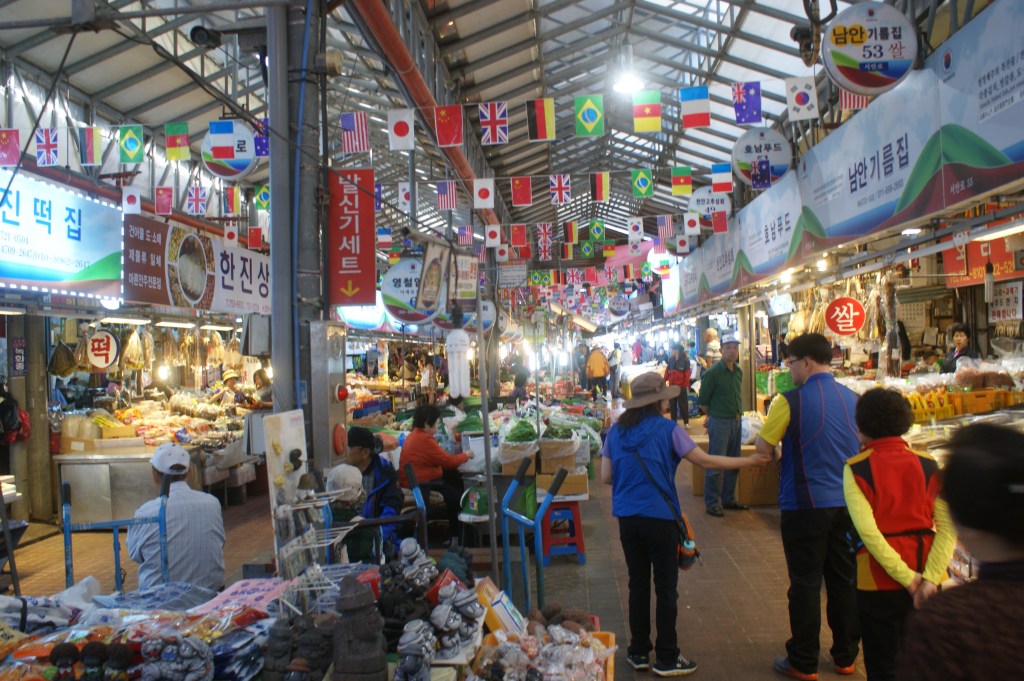
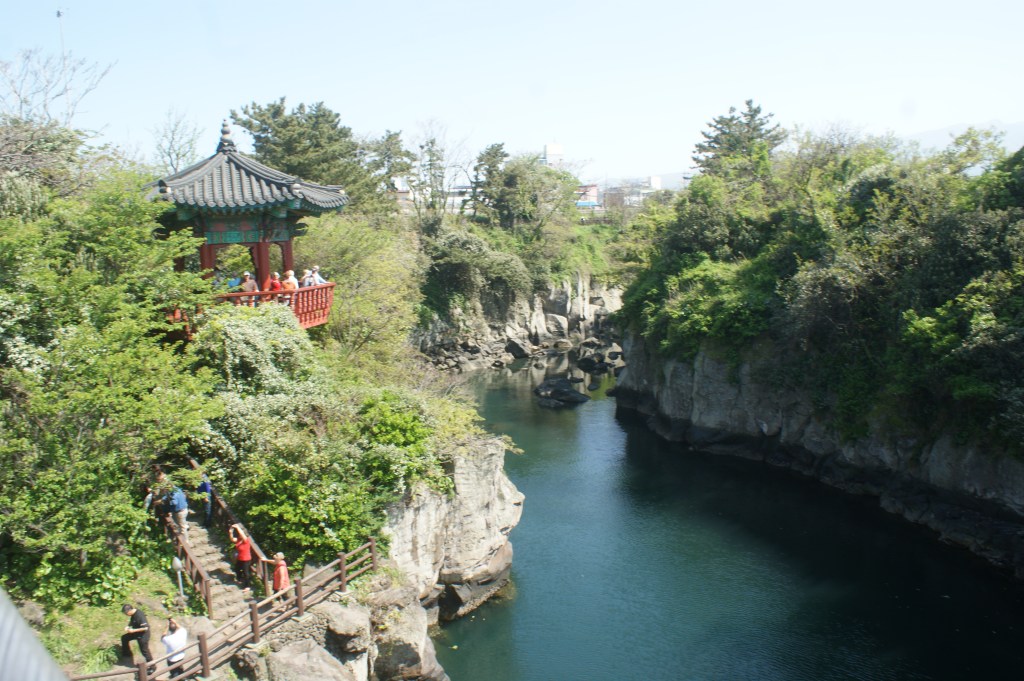
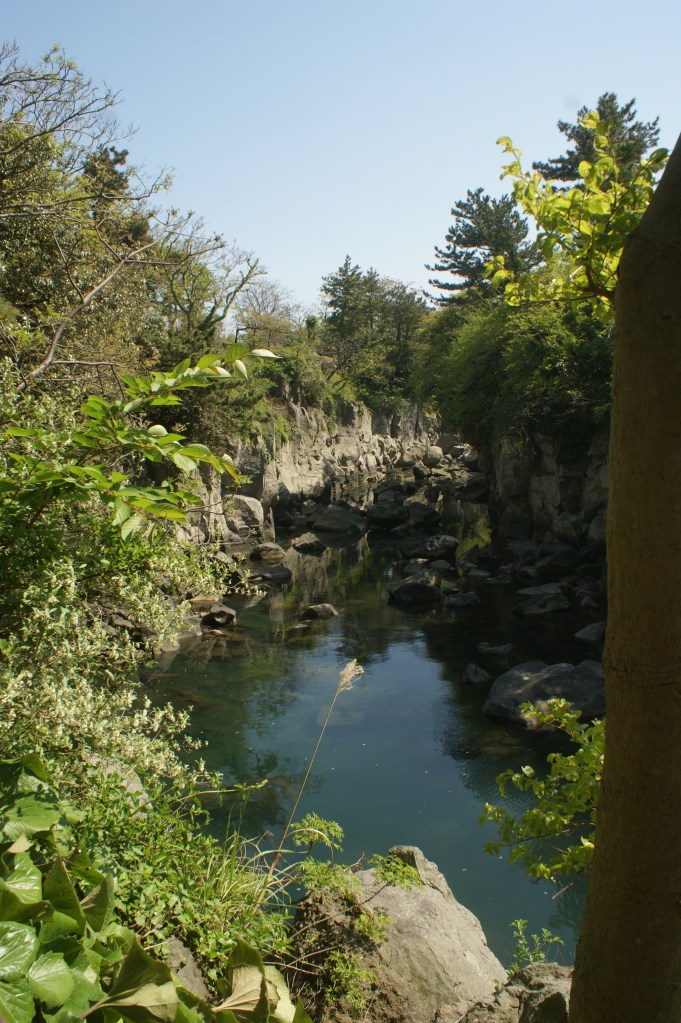
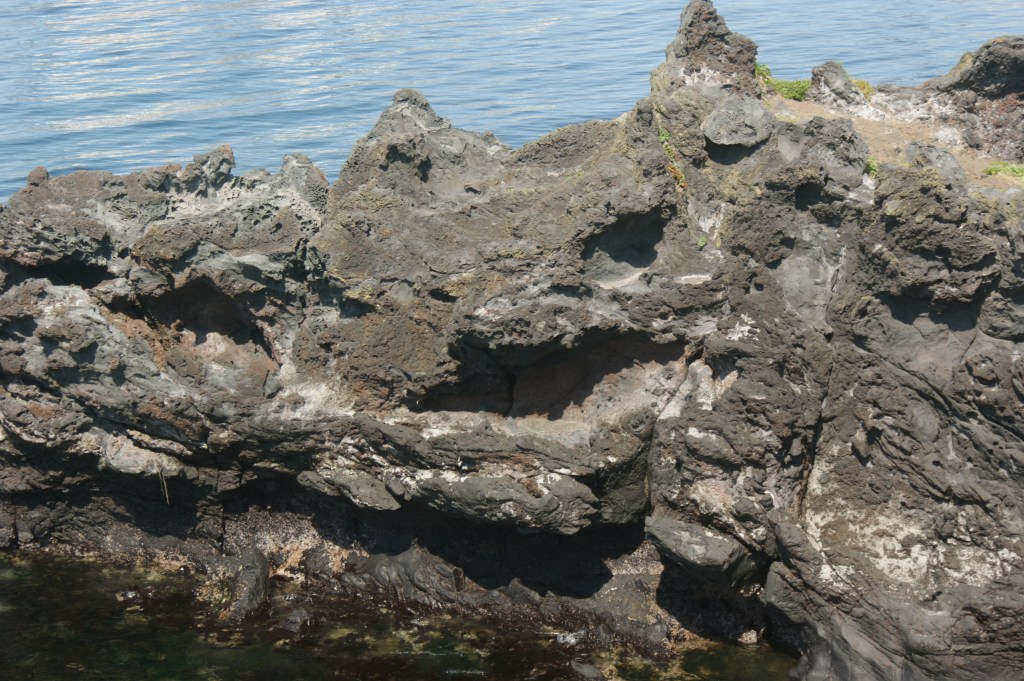
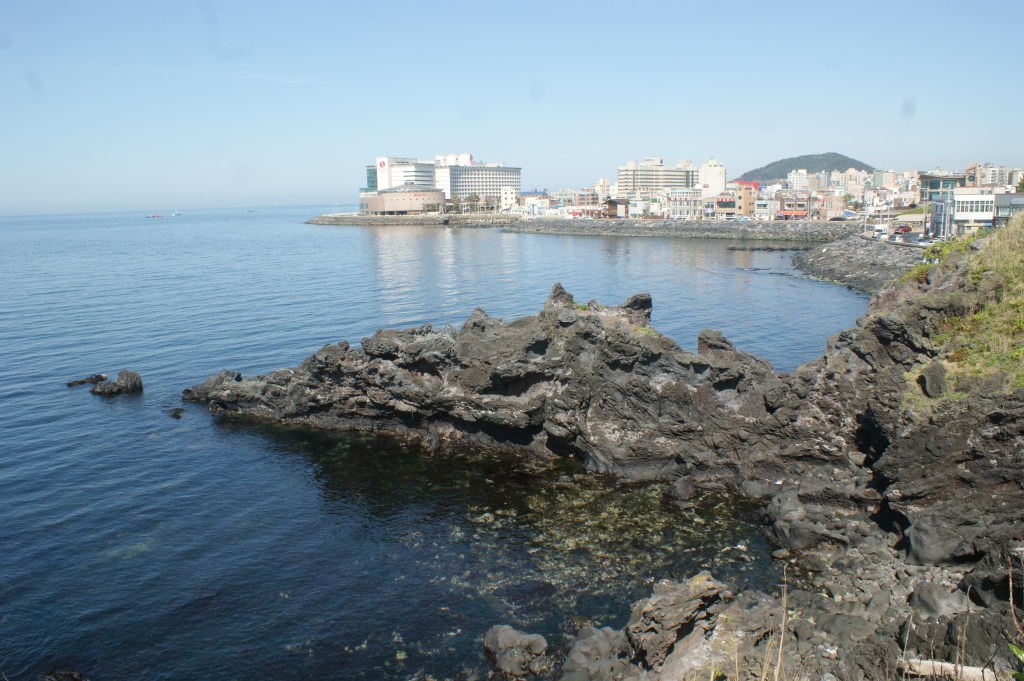
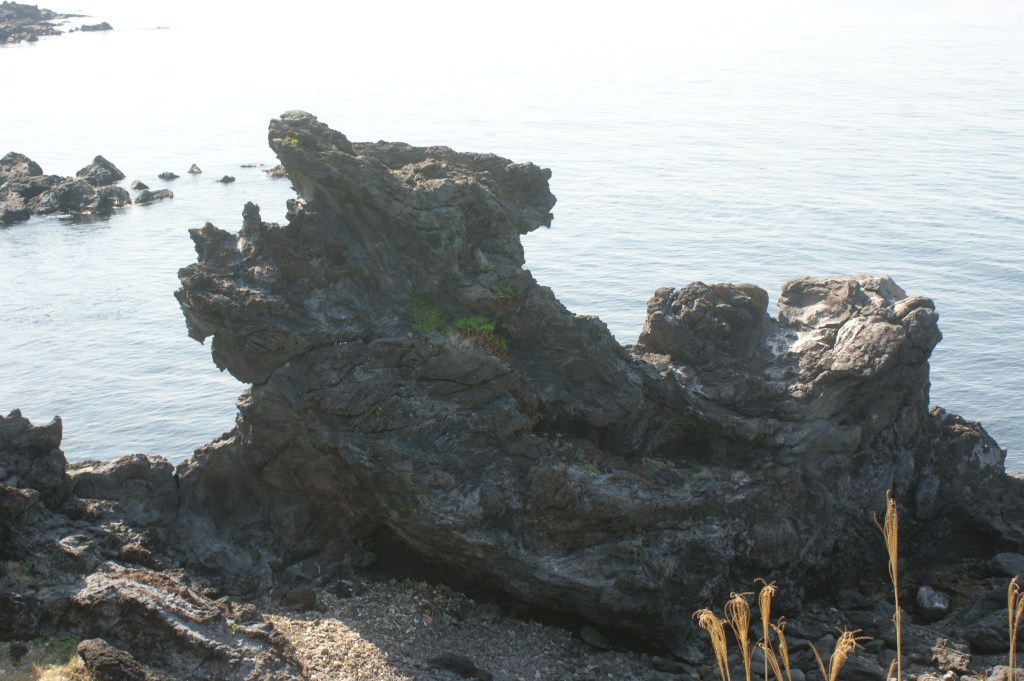
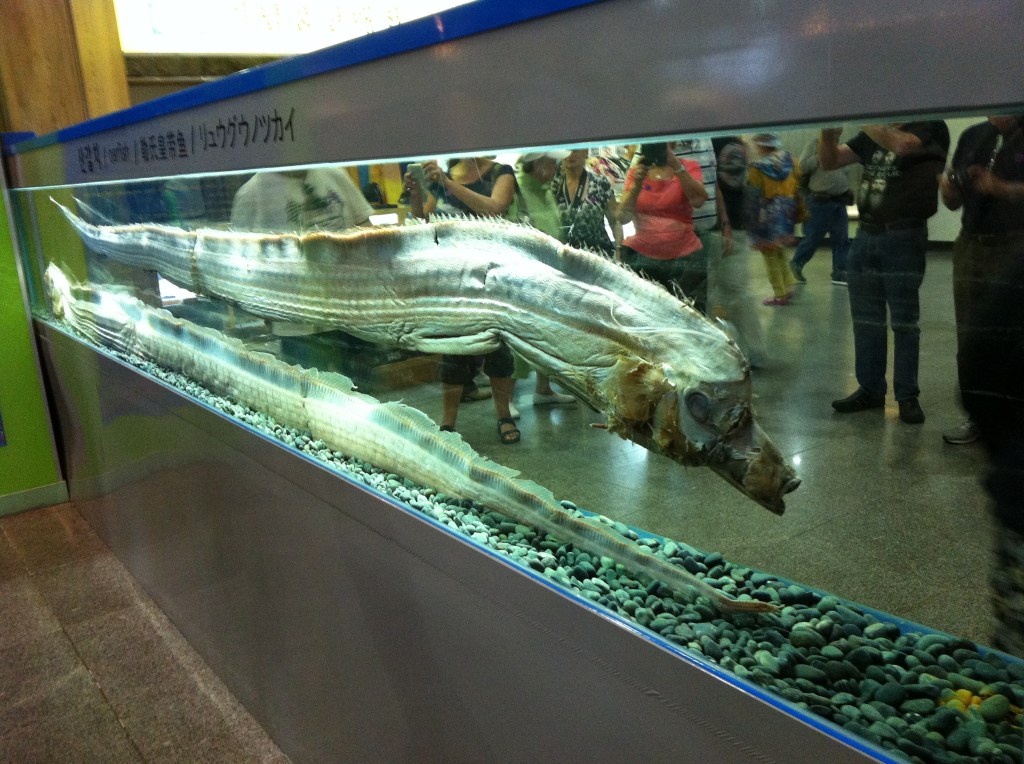
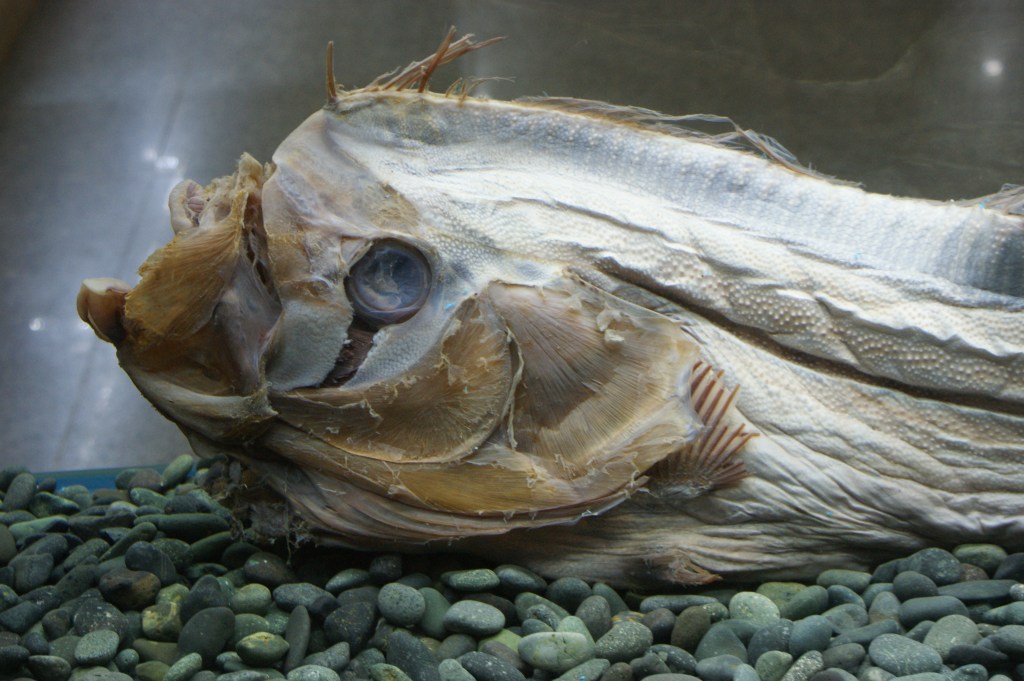
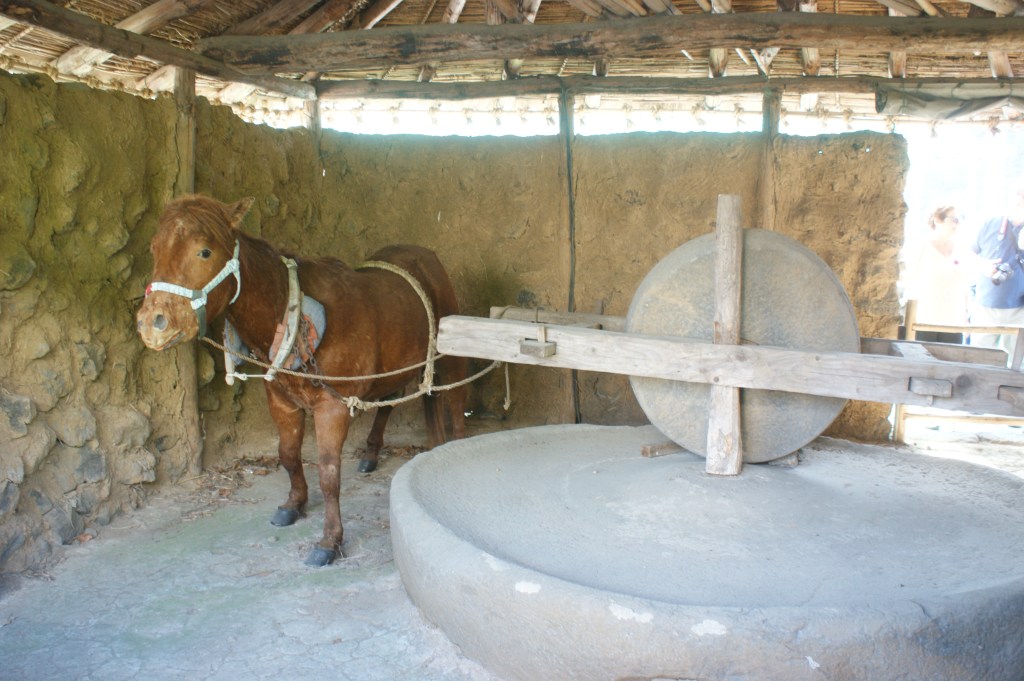
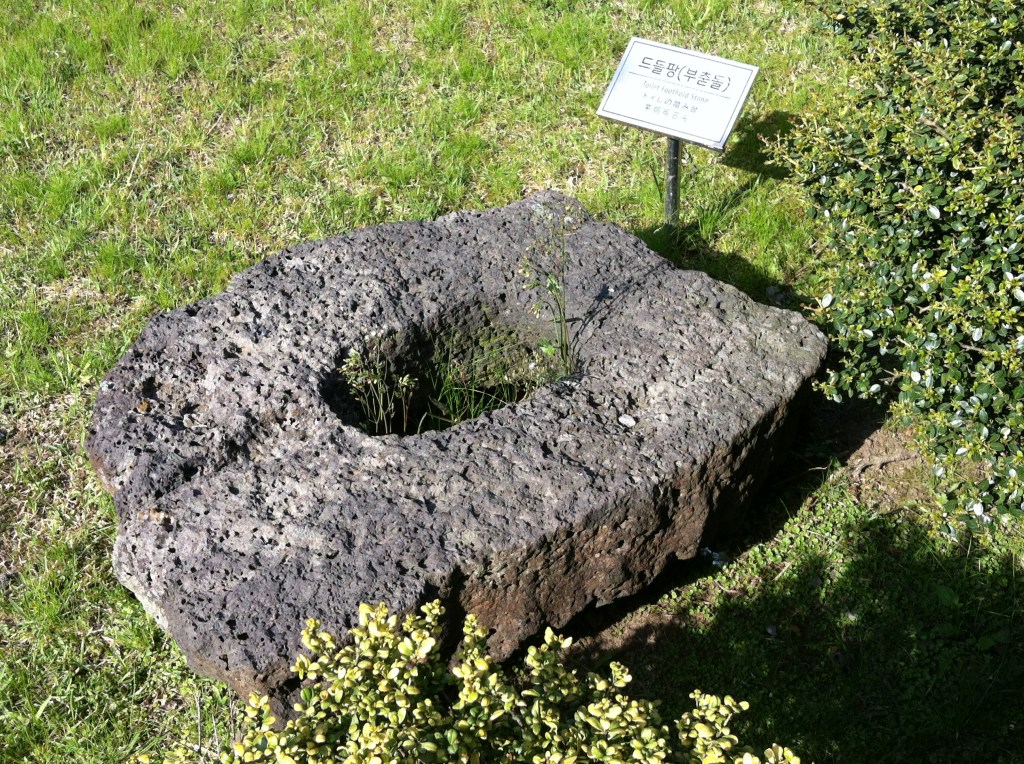
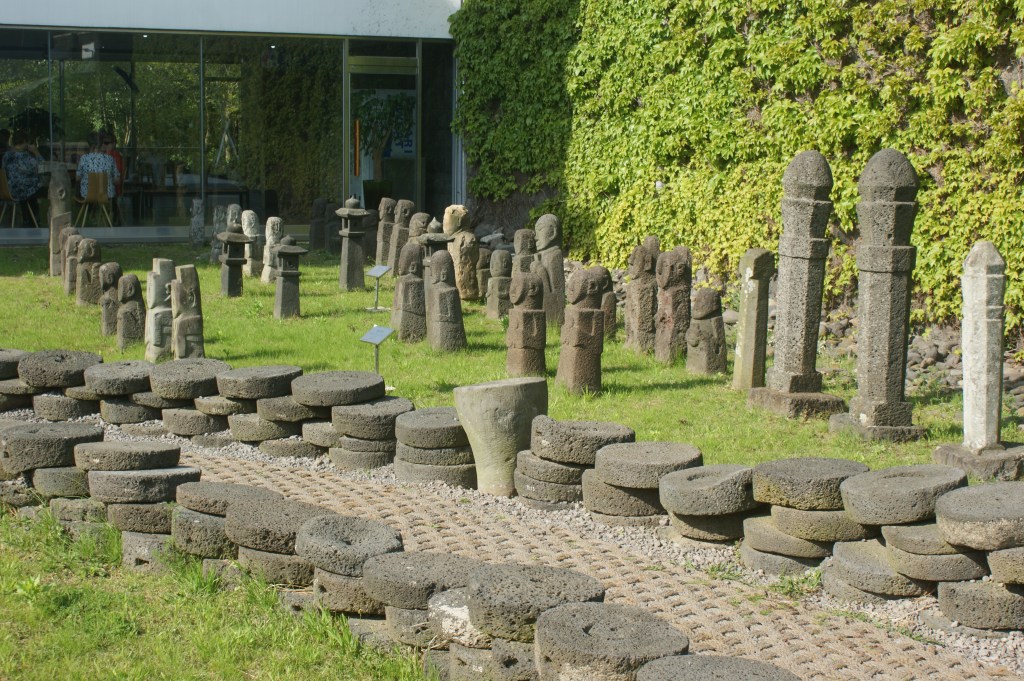
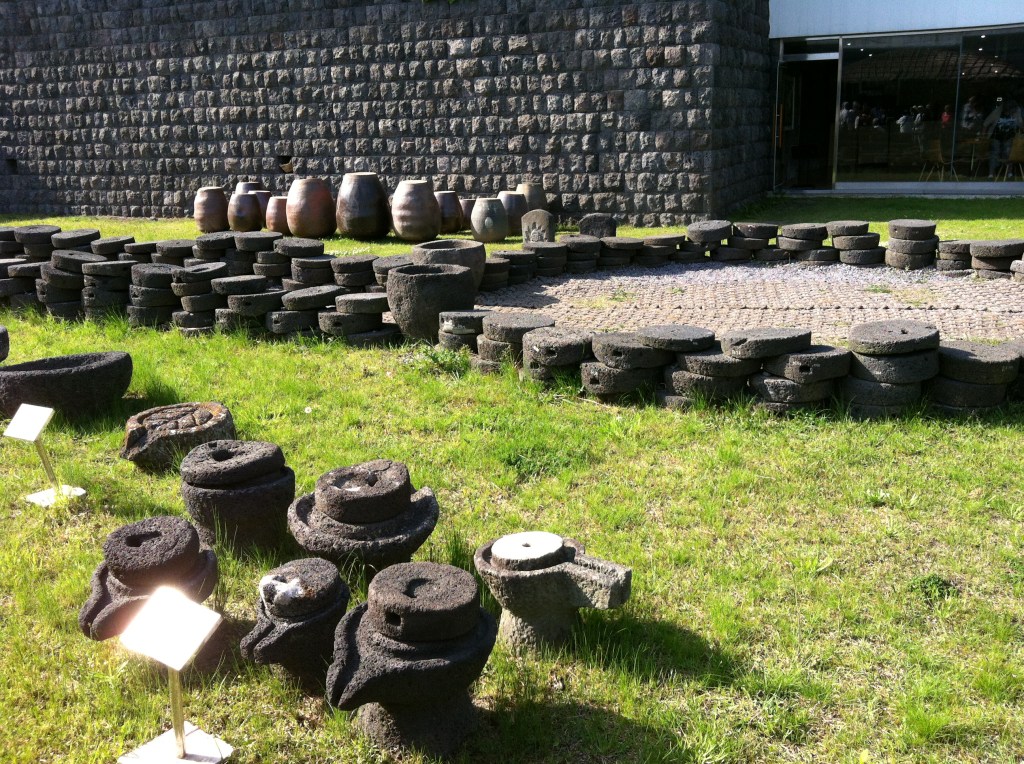
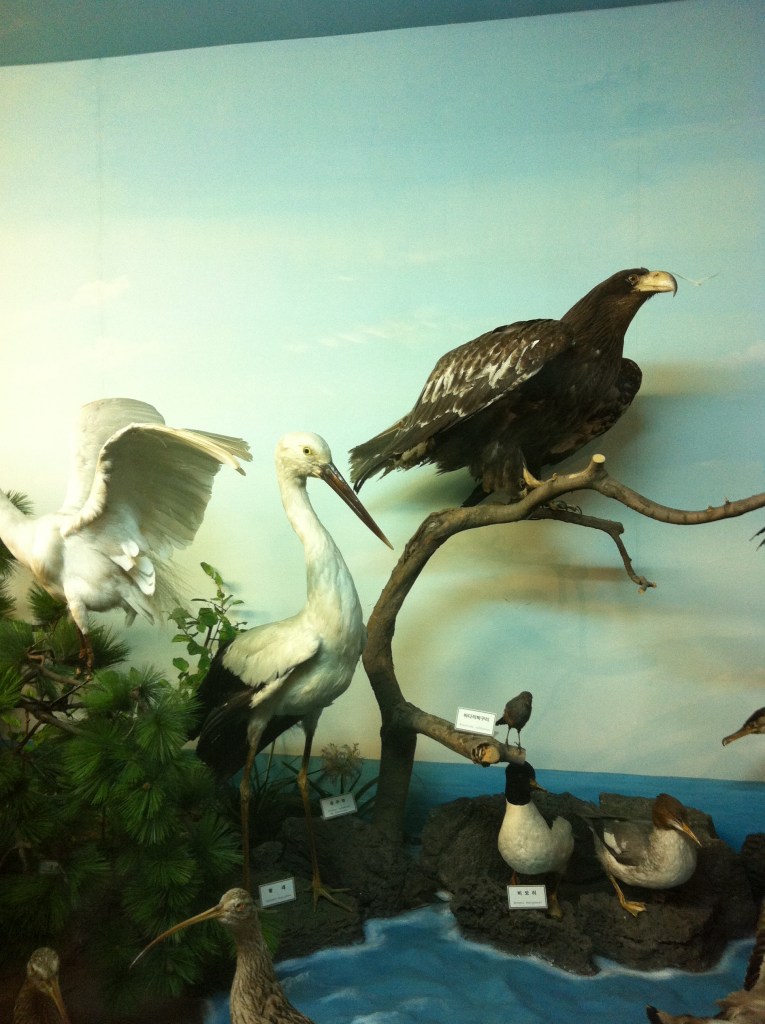
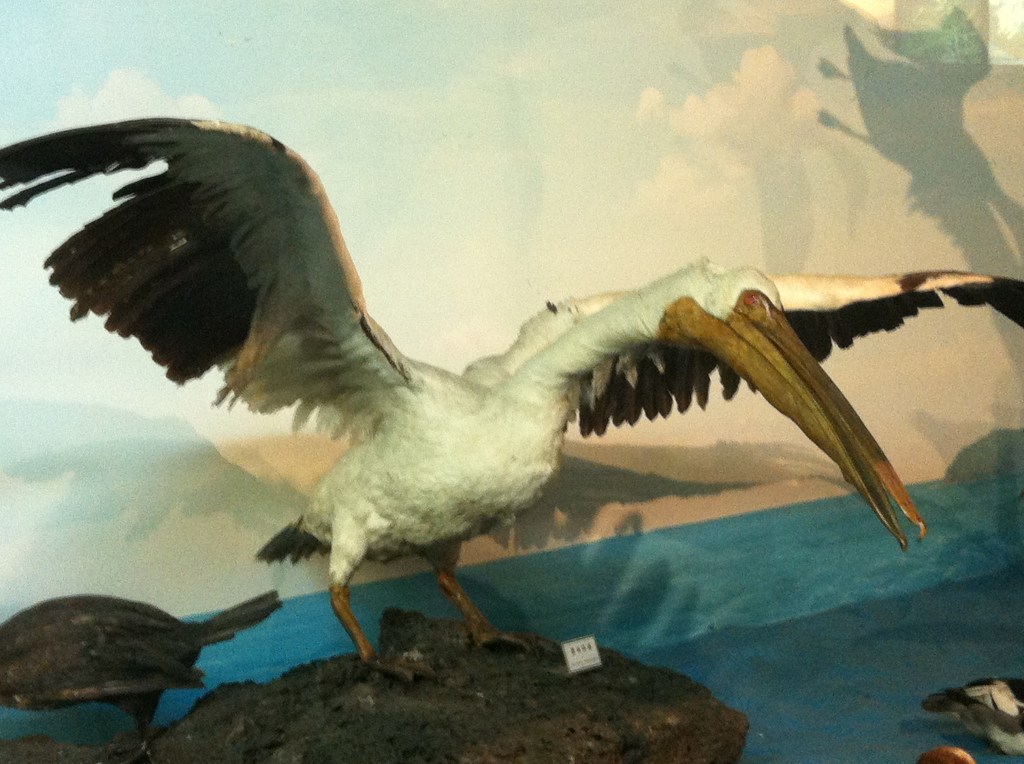
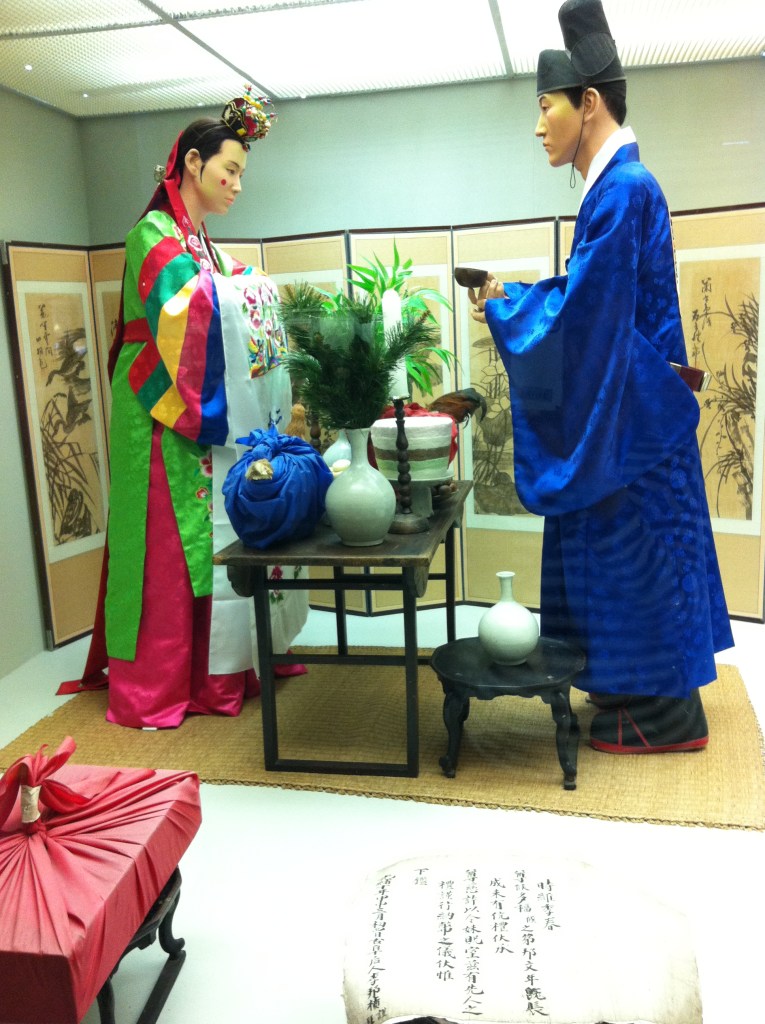
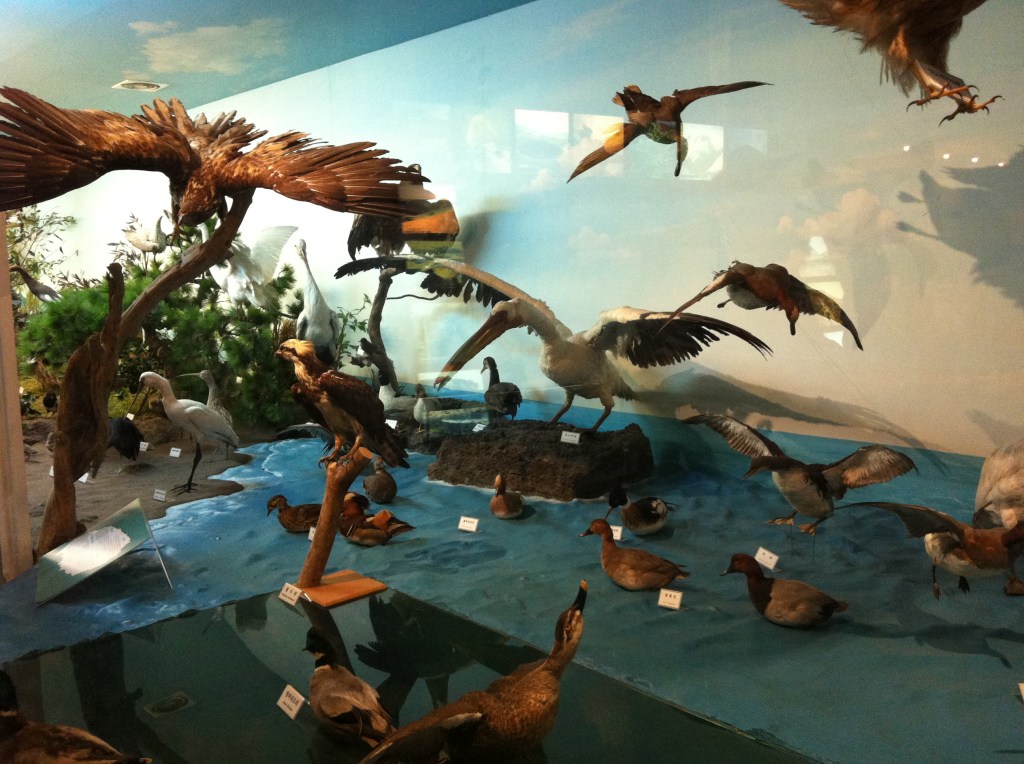
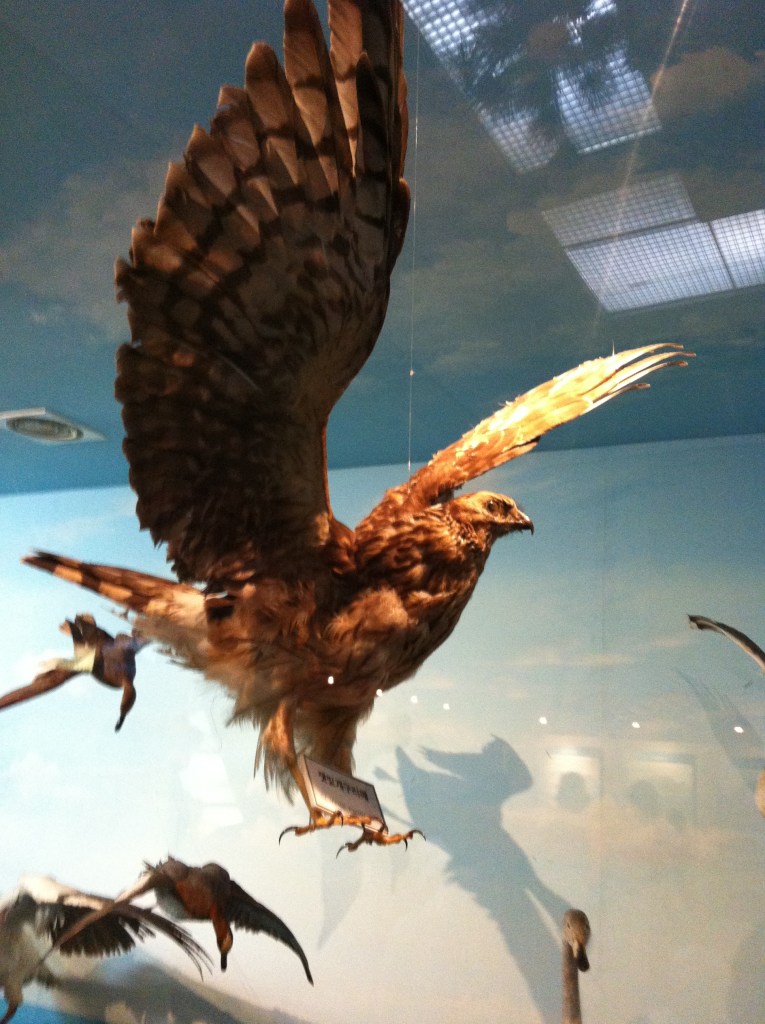
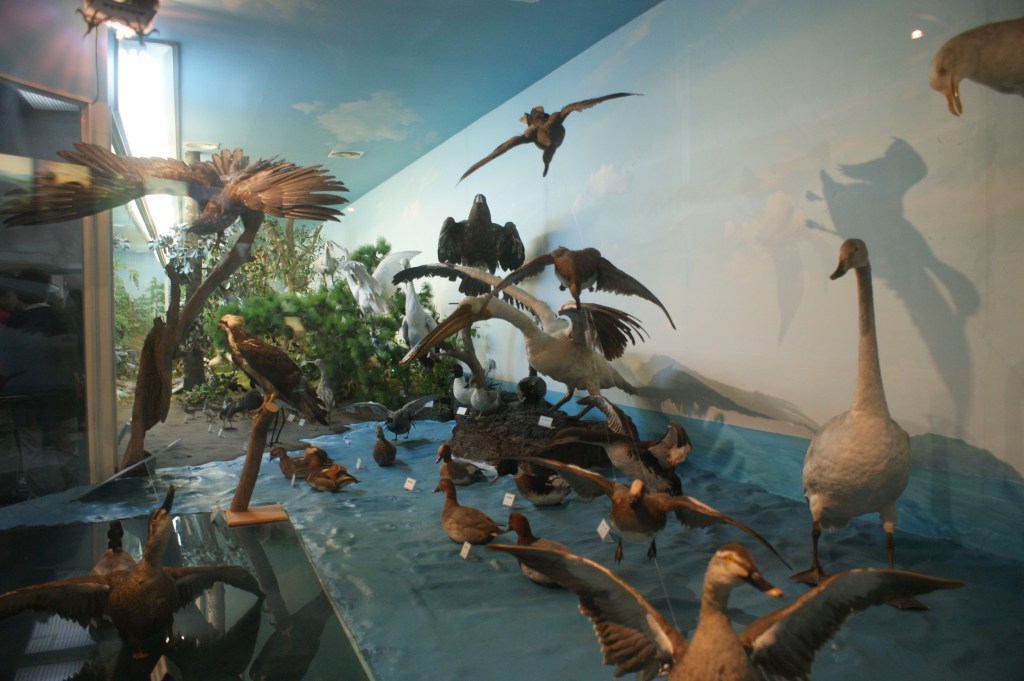
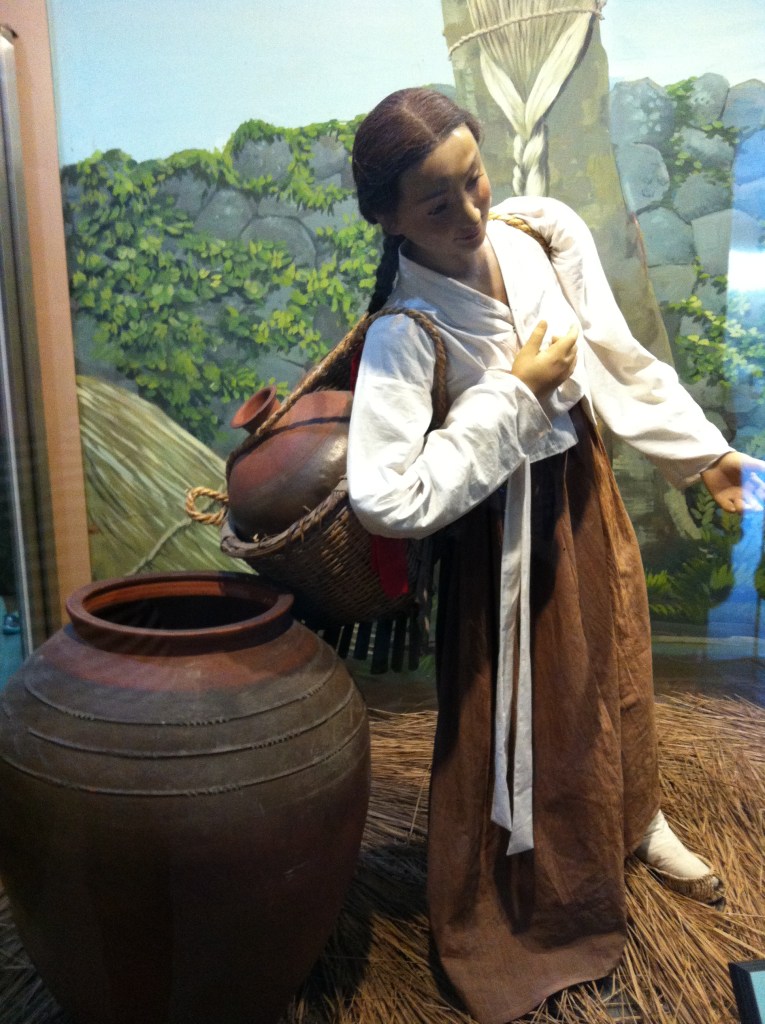
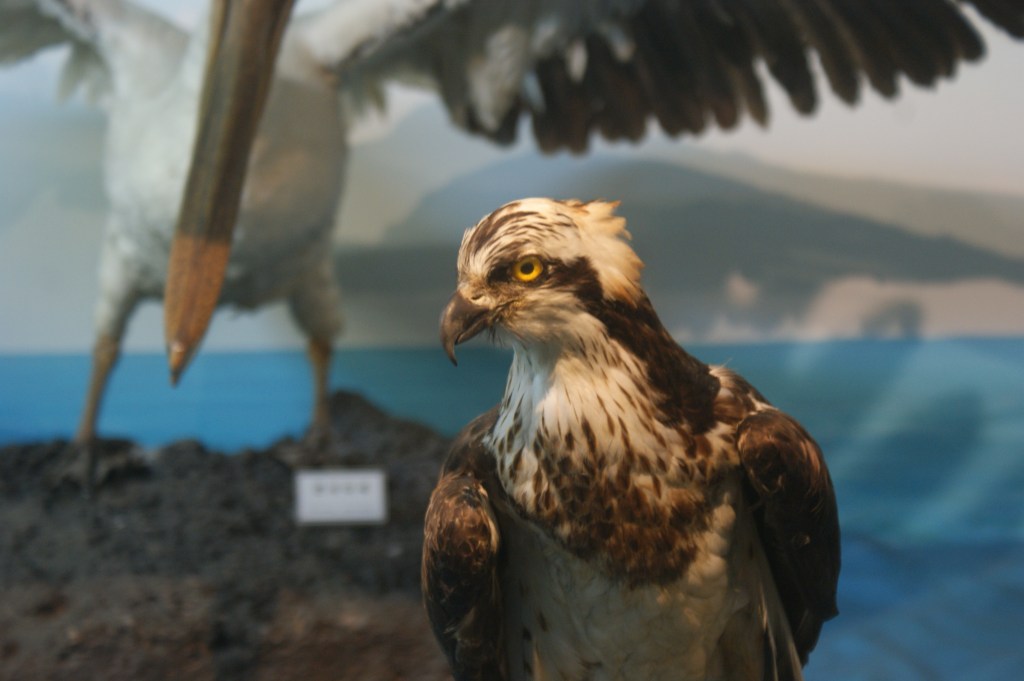
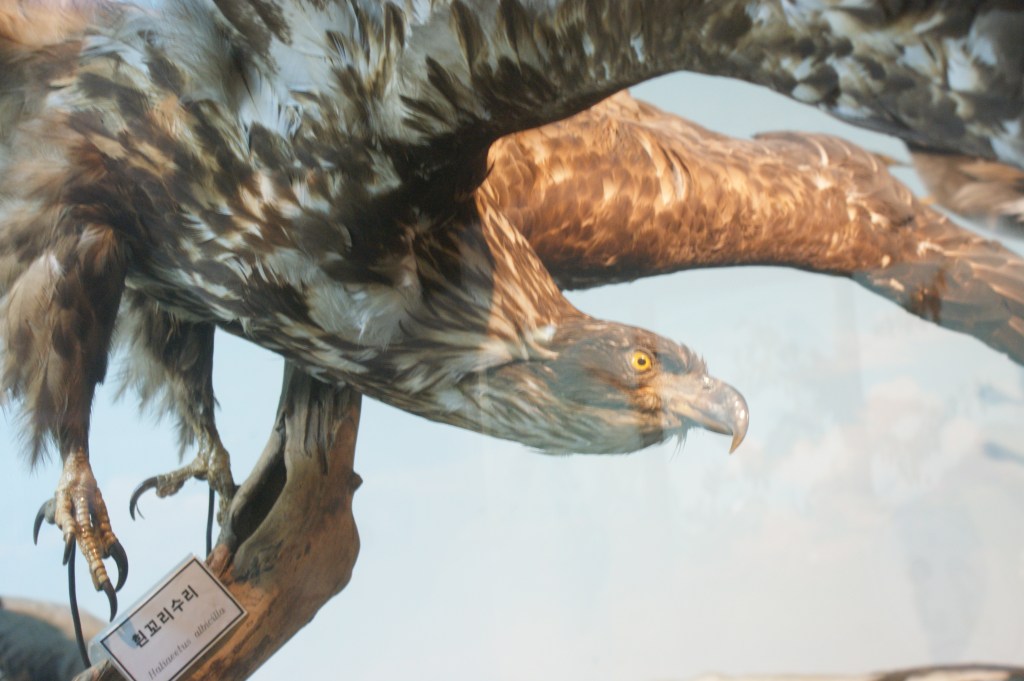
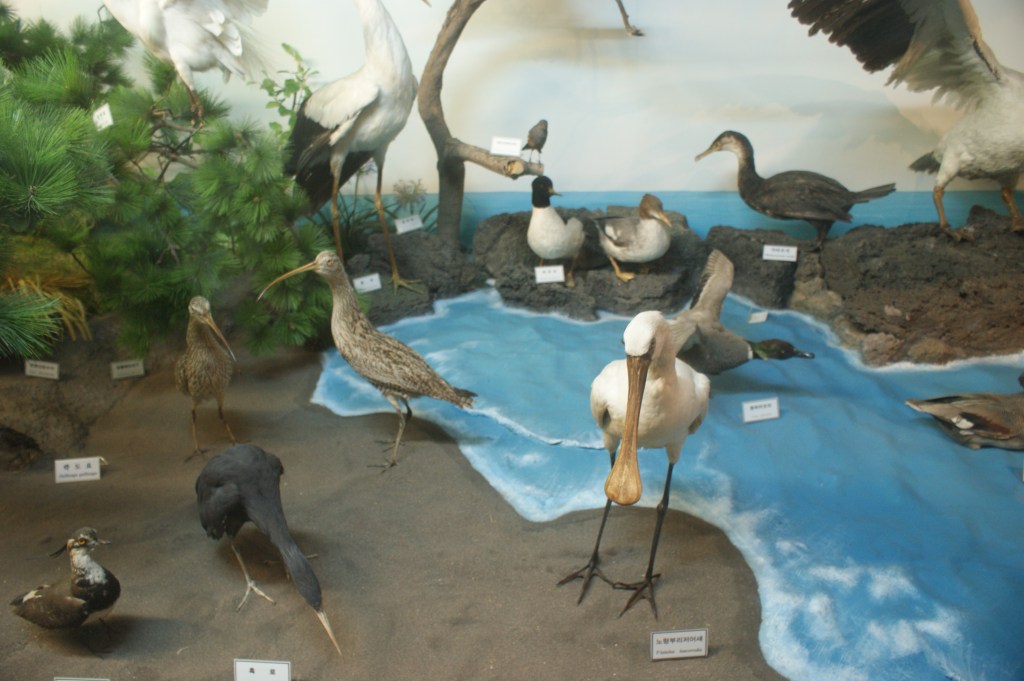
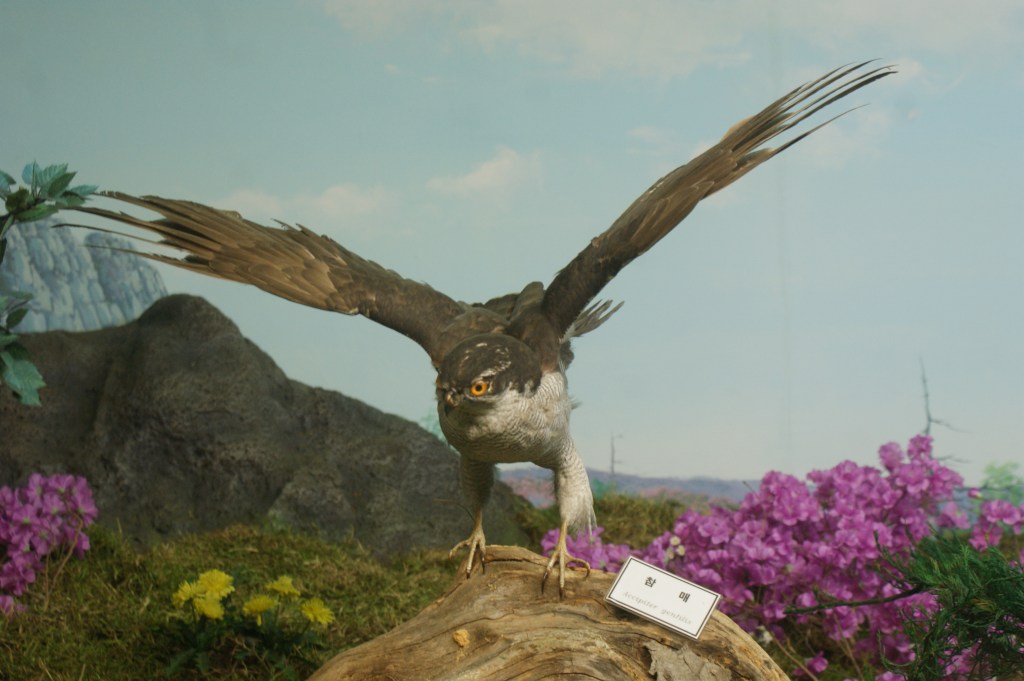
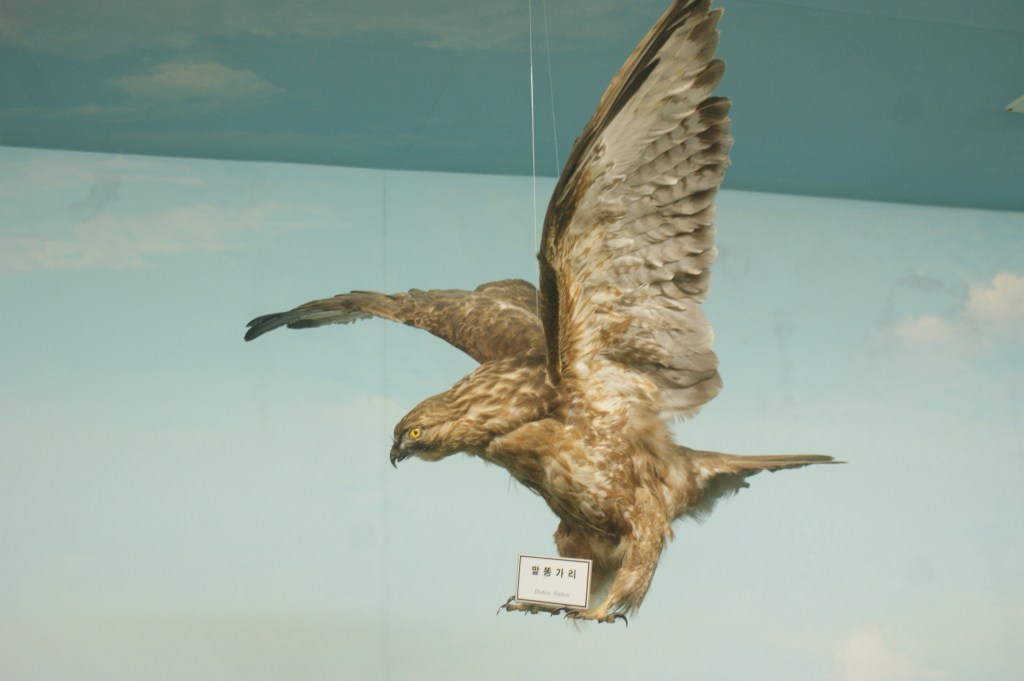
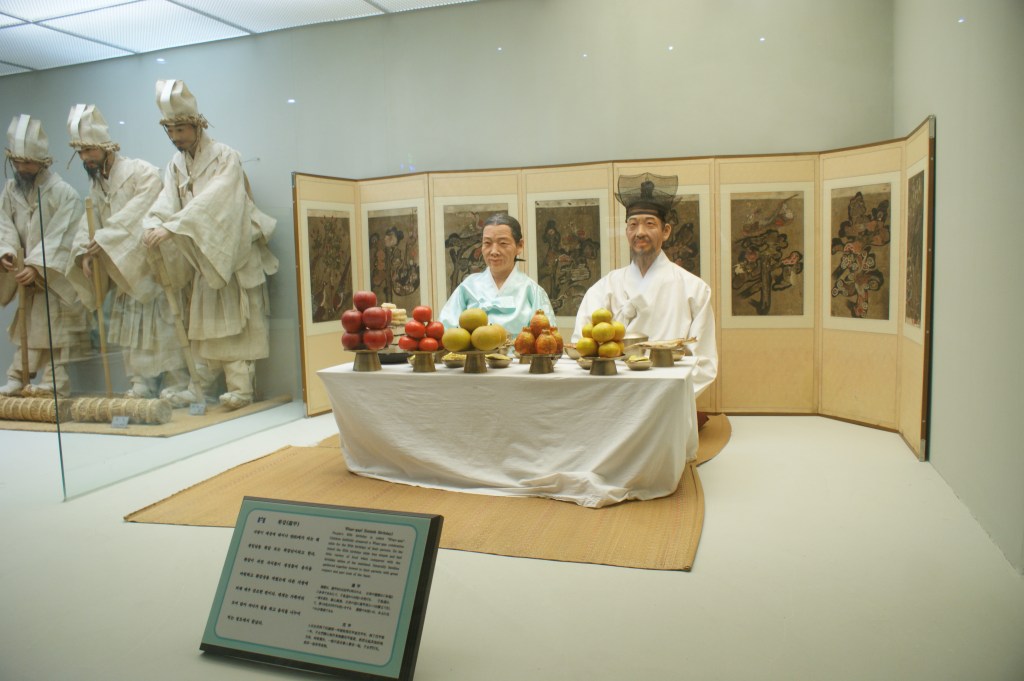
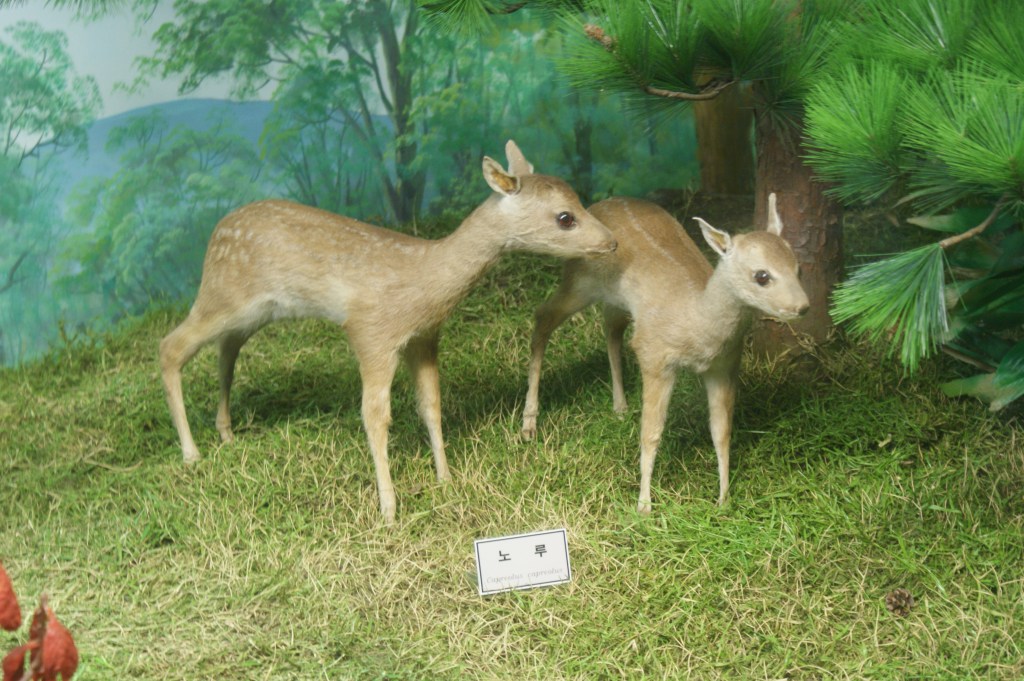
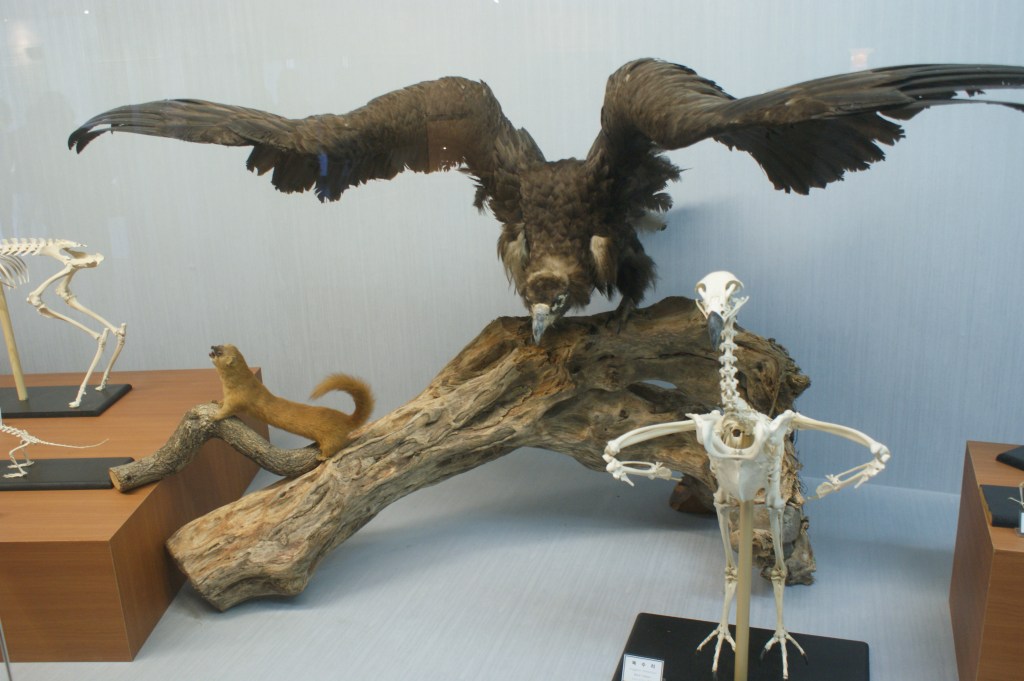
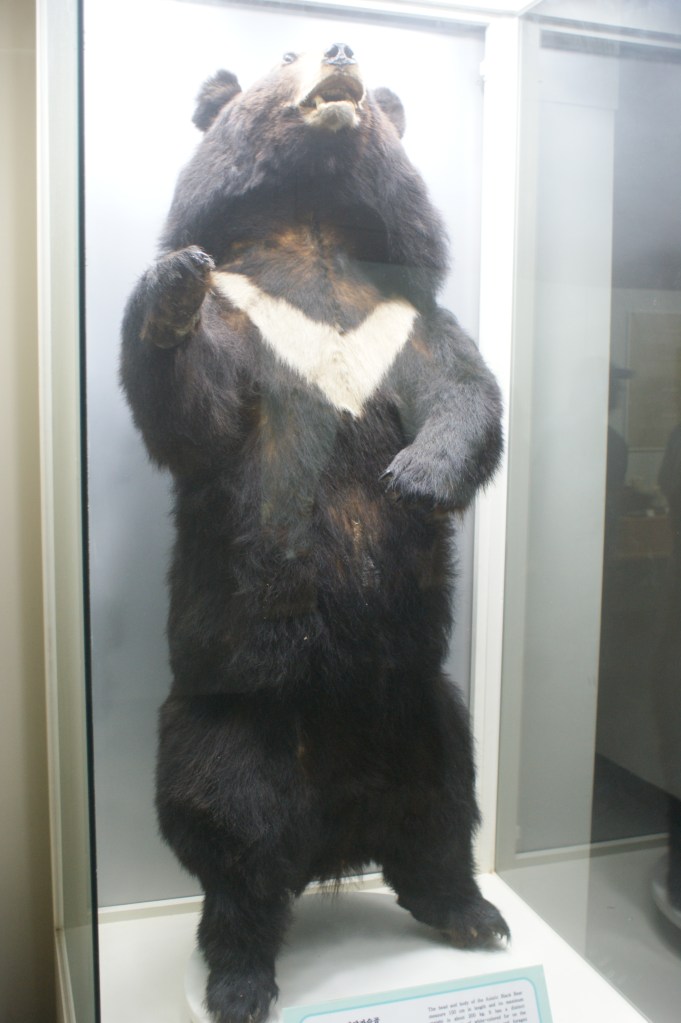
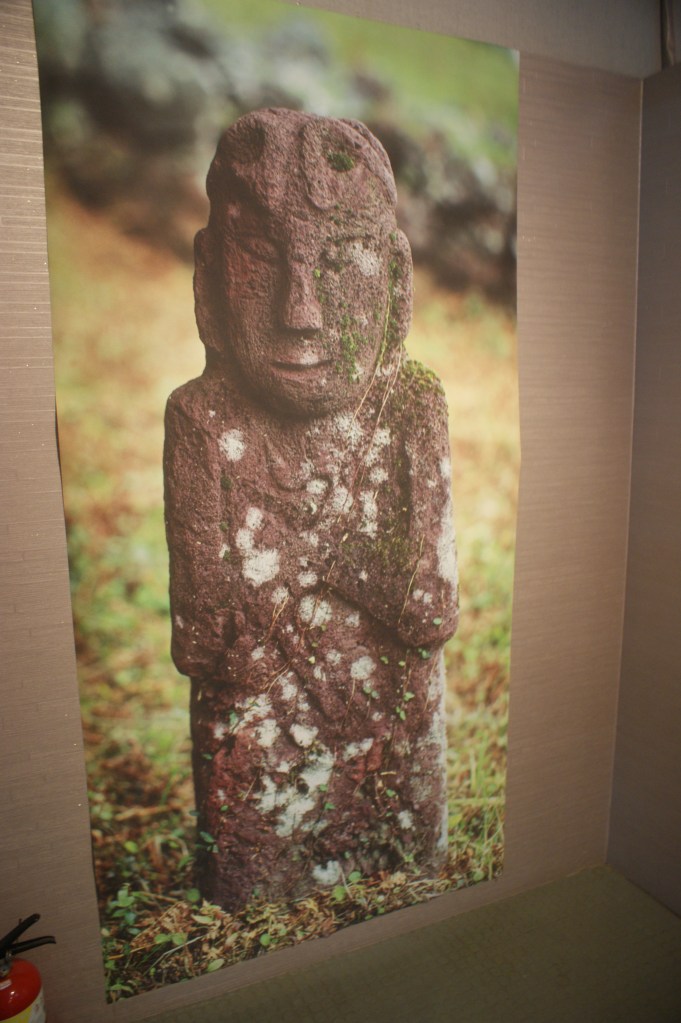
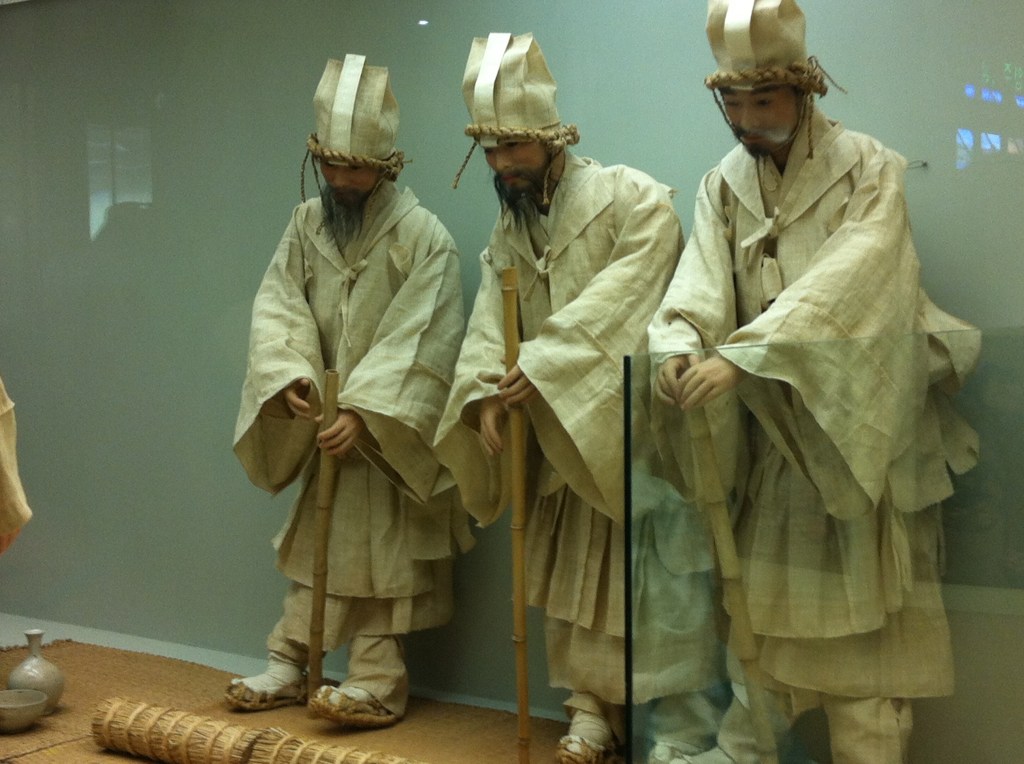
Jeju Island is South Korea’s largest island with 695,519 inhabitants in 2019 (Wikipedia). It is an exotic island located far out in the sea gap south of the mainland. The geographical location has meant that Jeju Island has developed its own distinctive culture, where the society is matriarchal and the women are the head of the family (Vagabond; Google translated). It was with excitement that we visited the island, and had an interesting visit to the natural history museum «Jeju Folklore and Natural History Museum», as well as that we visited markets there. We would have liked to have had more time there to get to know Jeju Island better.
Norsk:
Jeju Island er Sør-Koreas største øy med 695 519 innbyggere i 2019 (Wikipedia). Det er en eksotisk øy som ligger langt ute i havgapet sør for fastlandet. Den geografiske plasseringen har gjort at Jeju Island har utviklet sin særegne kultur, hvor samfunnet er matriarkalsk og kvinnene er overhode i familien (Vagabond). Det var med spenning vi besøkte øya, og hadde et interessant besøk ved det naturhistoriske museet «Jeju Folklore and Natural History Museum», samt at vi besøkte markeder der. Vi skulle gjerne hatt lengre tid der for å bli bedre kjent med øya Jeju Island.


 Vår vidunderlige verden