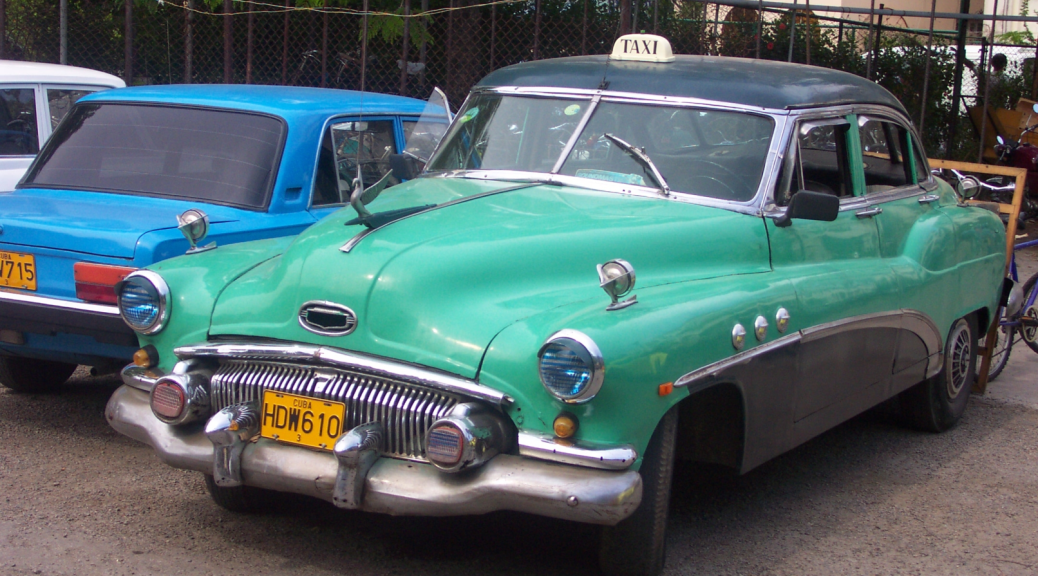
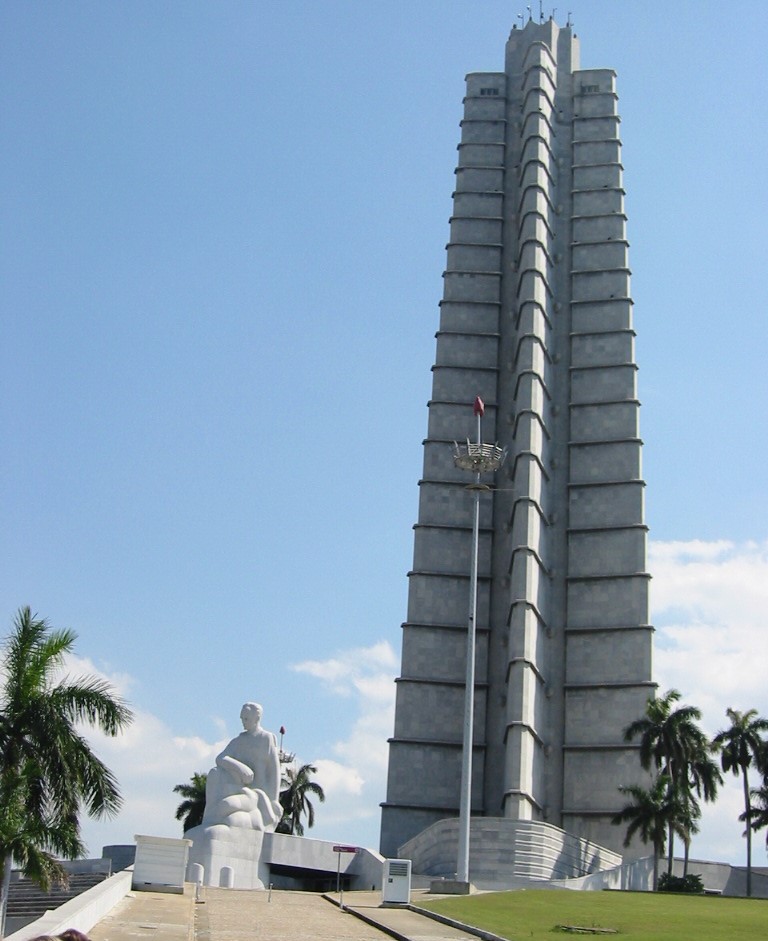
The Republic of Cuba is the Caribbean’s largest island and largest state with 11,179,995 inhabitants in 2016. Havana is Cuba’s capital, and had 2,106,146 inhabitants in 2012. (Great Norwegian Encyclopedia). In addition to being a city, Havana is also one of Cuba’s 15 provinces. Cuba is located between the Caribbean Sea, the Gulf of Mexico and the Atlantic Ocean. North of Cuba are the United States and the Bahamas, to the west Mexico, to the south the Cayman Islands and Jamaica and to the southeast Haiti. (Wikipedia).
The island was discovered by Christopher Columbus on his first voyage in 1492. Cuba came under Spanish control in the 17th century. In the 1860s, the Cuban War of Independence began, which ended with the Spanish-American War that ended in 1898, which was won by the United States. Cuba became formally independent in 1902, but with strong influence from the United States.
In 1952, Fidel Castro started a rebellion against the leadership of the time, which ended with the seizure of power in 1959. Since the Cuban revolution in 1959, Cuba has been a socialist republic, with the Cuban Communist Party (PCC) as the only party. The United States imposed a boycott against Cuba as a result of the new revolutionary government of Fidel Castro, which nationalized American properties after the revolution. This led to Cuba allying itself with the Soviet Union. Since the dissolution of the Soviet Union in 1991, Cuba has struggled with major economic problems due, among other things, to the US trade boycott with Cuba. In 2014, US President Barack Obama declared that over 50 years of sanctions had not worked, and that the US would therefore normalize relations with Cuba.
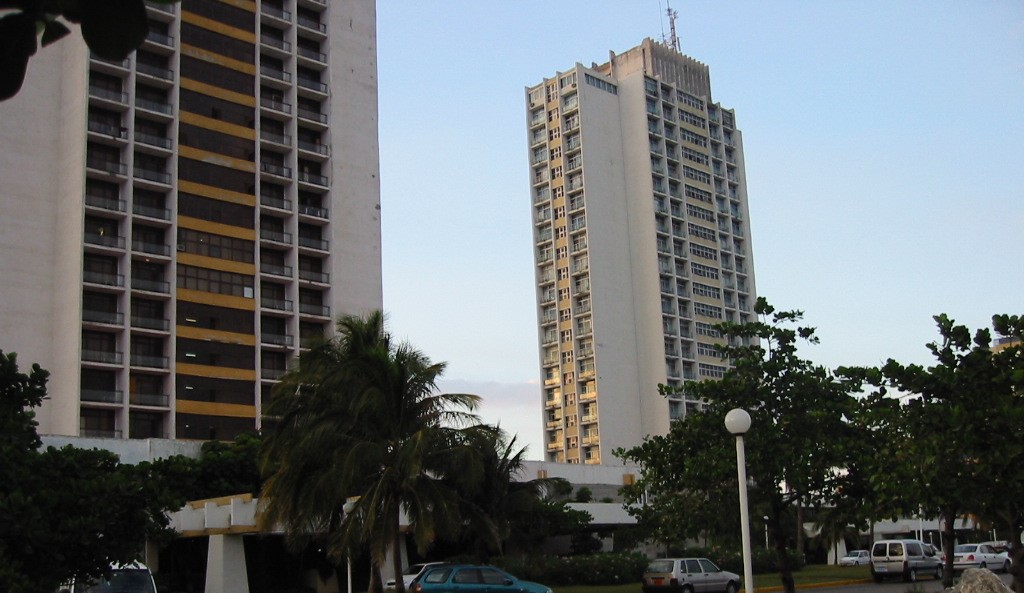
Cuba has a state-owned healthcare system where all citizens have the right to free healthcare. Under Fidel Castro, a lot of investment was made in the healthcare system, which has led to Cuba today having a good healthcare system, which in 2000 was ranked the 40th best in the world by the World Health Organisation. Since 1993, Cuba has invested in tourism to generate currency for the country, and there are a number of high-standard hotels on the island. Tourism is primarily localized to Havana and the two restricted areas of Varadero and Cayo Coco. (Wikipedia; Google translated).
In recent years, private eating places, «paladares», and private accommodation, «casa particular», have also been opened. Publicly approved «casa particulares» are a cheap and good alternative to the state-owned hotels, and can now be found mostly all over the island. Cuba is world-renowned for its mild, high-quality hand-rolled cigars, with a very high sales value. Production mostly takes place in Havana, but is also produced in significant quantities outside other cities. (Wikipedia; Google translated).
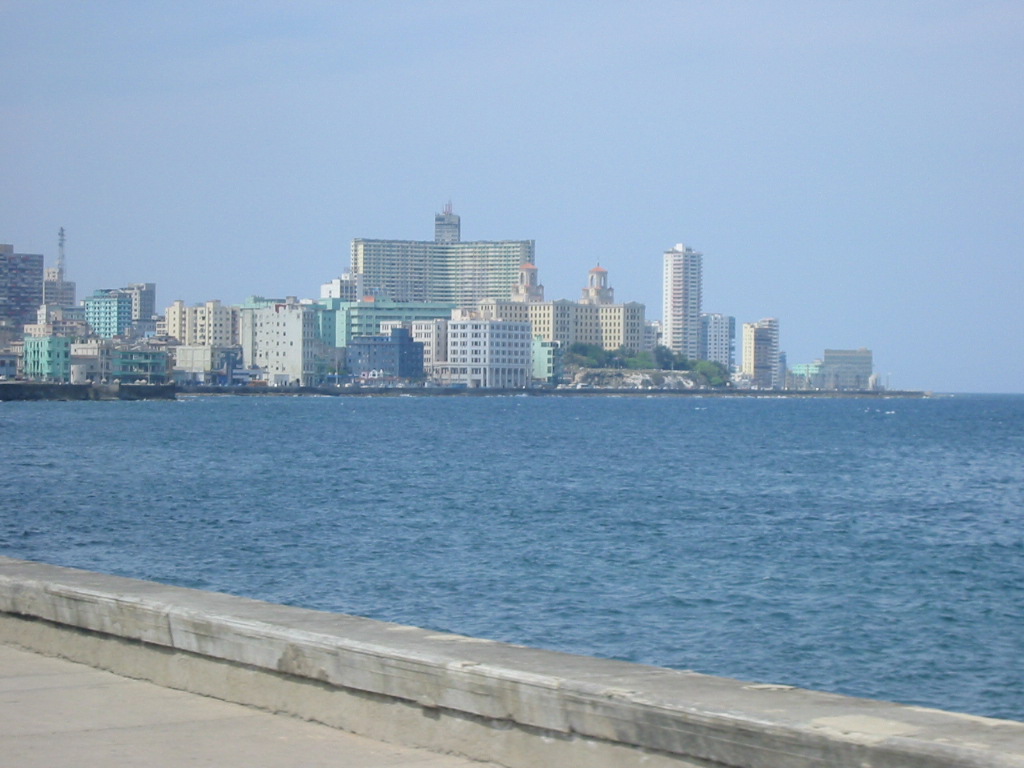
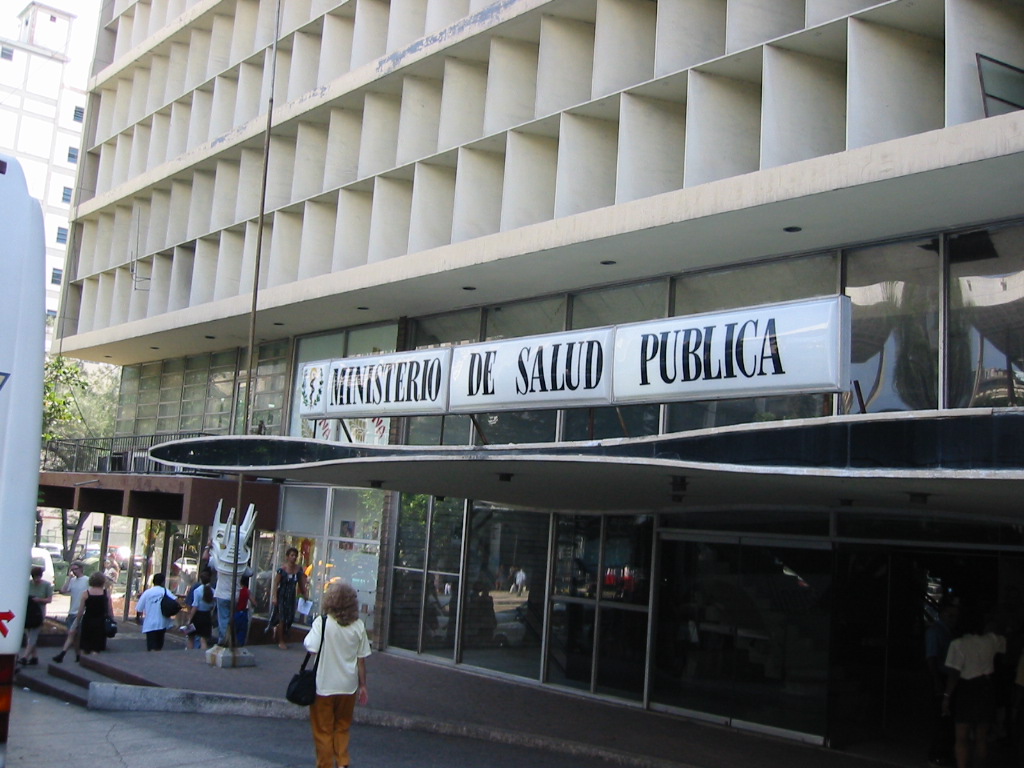
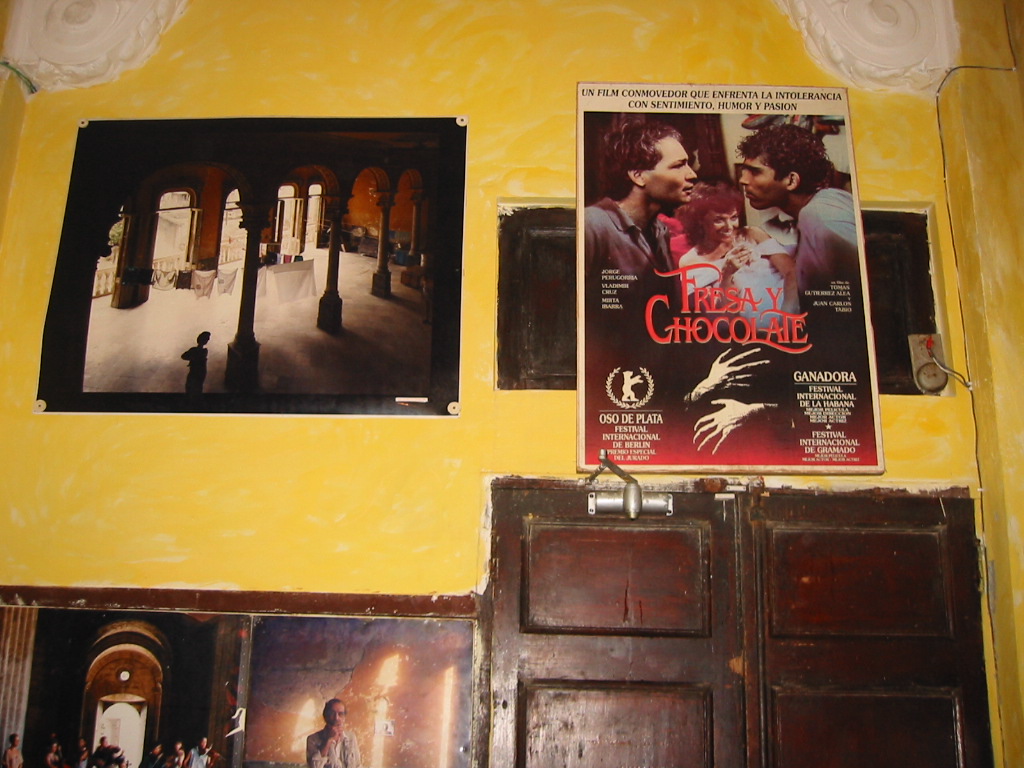
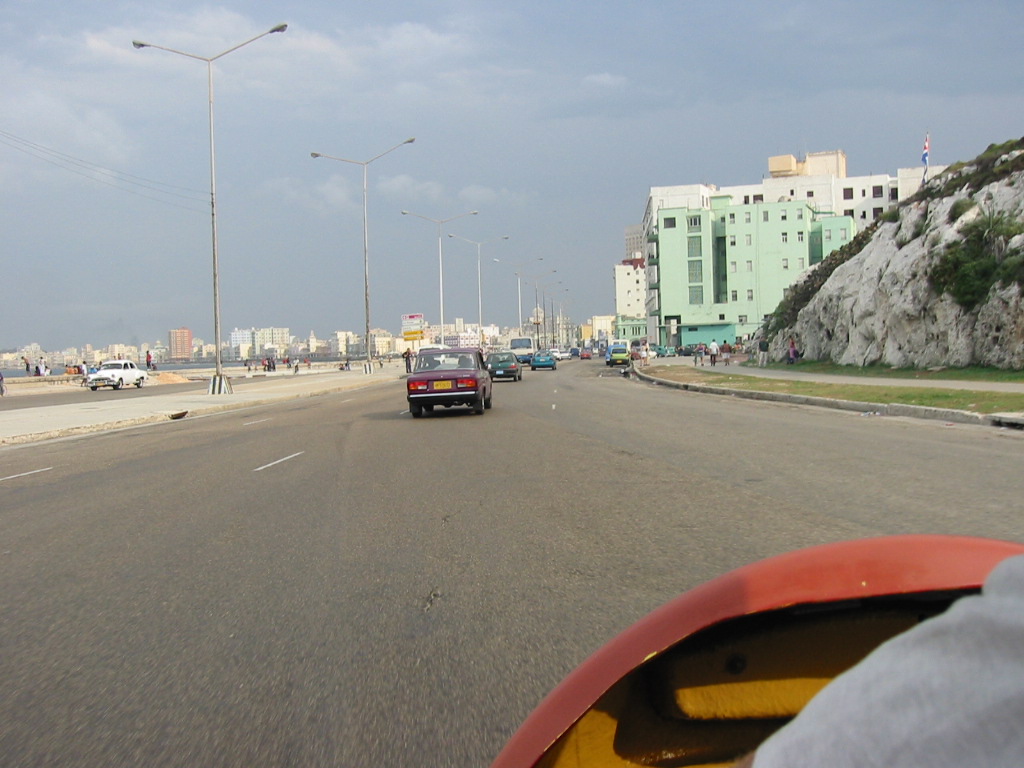
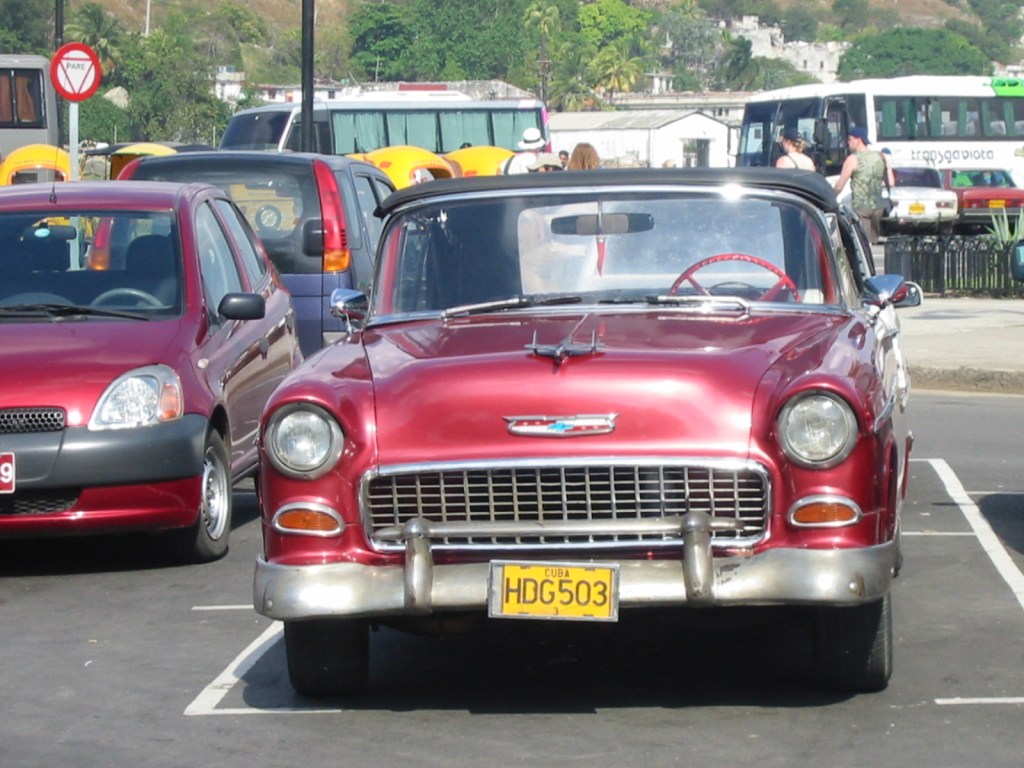
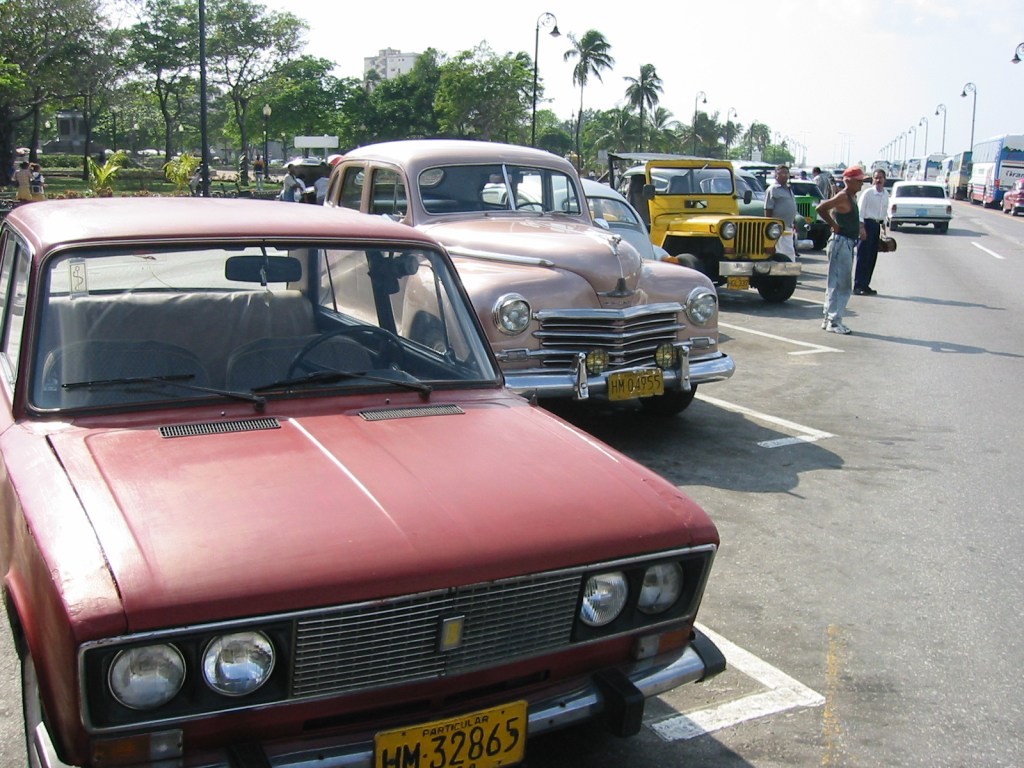
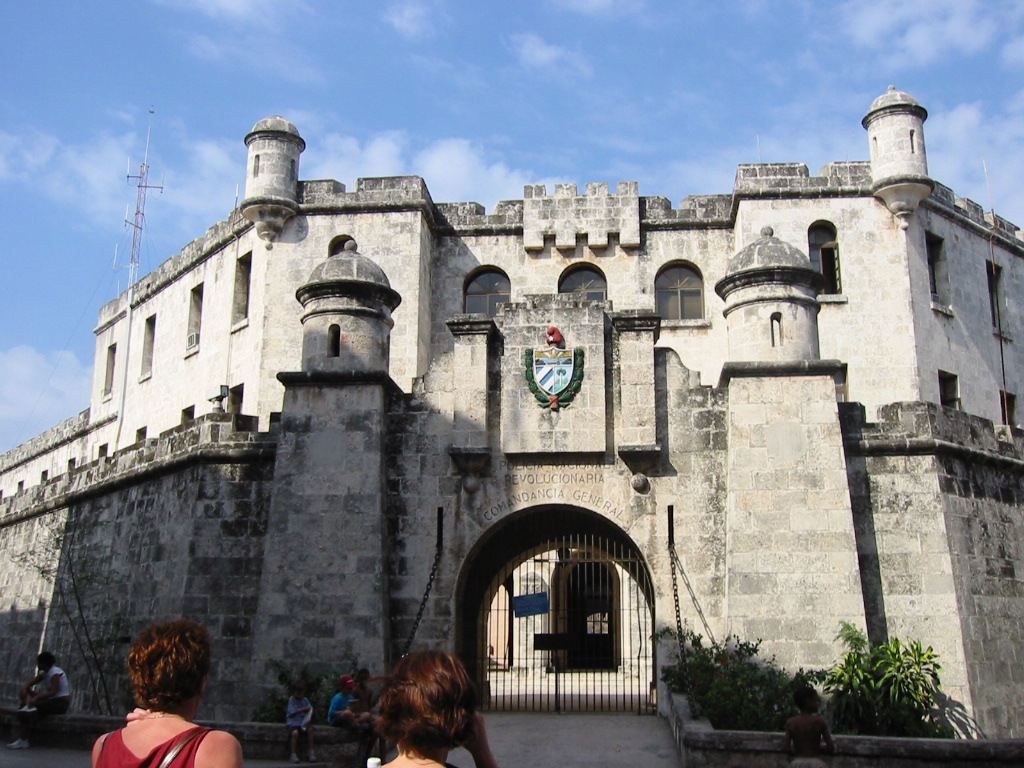
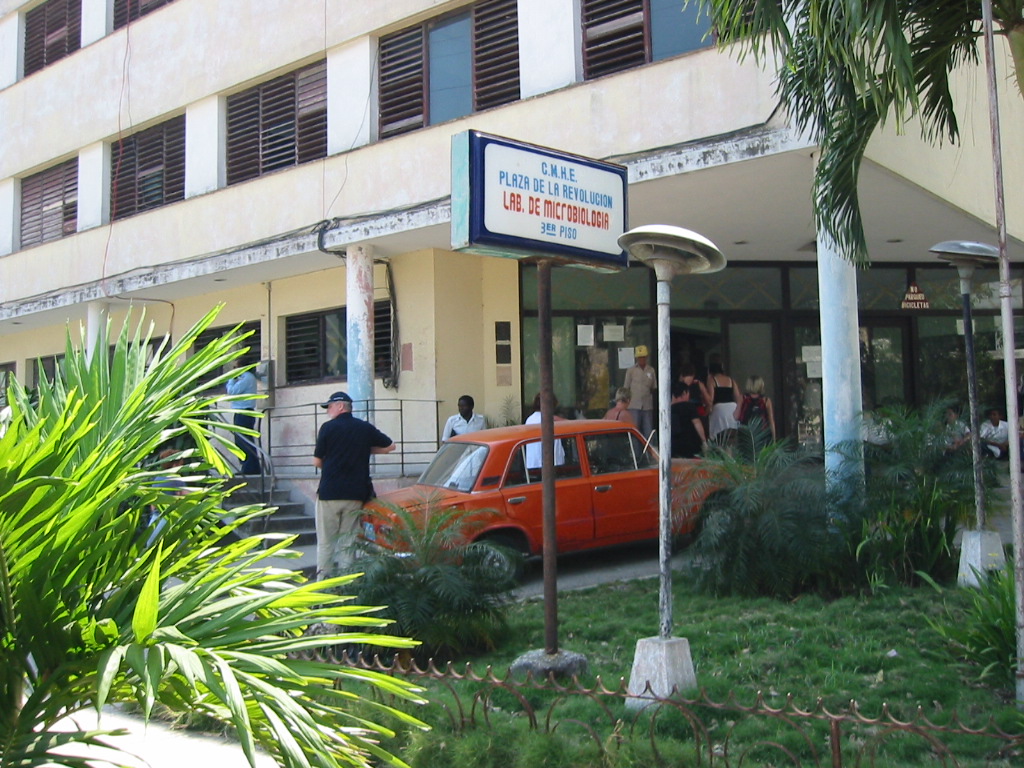
We visited Cuba-Havana in connection with a group trip. We knew that Cuba had a good healthcare system with a high professional standard. We visited various health institutions, hospitals and primary health care services. We were confirmed that the professional standard is high, but that they had a lot of old and worn-out equipment as a result of the trade boycott. It was an experience to come to Cuba. It was exciting to visit the market in Havana and meet artists who exhibited their works, listen to the Cuban music, experienced at a fantastic consert with The Legendary Segundo Company, felt the Cuban atmosphere and the eventful impressions and more. Among other things, we had a delicious dinner with good wine at the place where the movie «Strawberry and Chocolate» was filmed in Cuba, as well as visiting the estate and home of Ernest Hemingway in Havana.
Norsk:
Republikken Cuba er Karibias største øy og største stat med 11 179 995 innbyggere i 2016. Havanna er Cubas hovedstad, og hadde 2 106 146 innbyggere i 2012. (Store norske leksikon). I tillegg til å være en by er Havanna også en av Cubas 15 provinser. Cuba ligger mellom Det karibiske hav, Mexicogolfen og Atlanterhavet. Nord for Cuba ligger USA og Bahamas, i vest Mexico, i syd Caymanøyene og Jamaica og i sydøst Haiti. (Wikipedia).
Øya ble oppdaget av Christofer Columbus på hans første reise i 1492. Cuba kom under spansk kontroll på 1600 – tallet. På 1860 – tallet startet den cubanske uavhengighetskrigen som endte med den spansk-amerikanske krigen som sluttet i 1898, som ble vunnet av USA. Cuba ble formelt uavhengig i 1902, men med sterk innflytelse fra USA.
Fidel Castro startet i 1952 en opprørsbevegelse mot datidens ledelse, som endte med maktovertagelse i 1959. Cuba har siden den cubanske revolusjonen i 1959 vært en sosialistisk republikk, med Det cubanske kommunistpartiet (PCC) som eneste parti. USA innførte en boikott mot Cuba som følge av at den nye revolusjonære regjeringen til Fidel Castro, som nasjonaliserte amerikanske eiendommer etter revolusjonen. Dette førte til at Cuba allierte seg med Sovjetunionen. Siden Sovjetunionen ble oppløst i 1991 har Cuba slitt med store økonomiske problemer blant annet på grunn av USA’s handelsboikott med Cuba. I 2014 erklærte USAs president Barack Obama at over 50 år med sanksjoner ikke hadde virket, og at USA derfor ville normalisere relasjonene med Cuba.
Cuba har et statseid helsevesen hvor alle innbyggerne har rett på gratis helsestell. Under Fidel Castro ble det satset mye på helsevesen, noe som har ført til at Cuba i dag har et godt helsevesen, som i 2000 ble rangert til verdens 40. beste av Verdens helseorganisasjon. Siden 1993 har Cuba satset på turisme for å skaffe valuta til landet, og det finnes en rekke hoteller av høy standard på øya. Turismen er først og fremst lokalisert til Havanna og de to avsperrede områdene Varadero og Cayo Coco.
I de senere årene er det også åpnet for private spisesteder, «paladares», og privat overnatting, «casa particular». Offentlige godkjente «casa particulares» er et billig og bra alternativ til de statseide hotellene, og finnes nå stort sett over hele øya. Cuba er verdenskjent for sine milde, håndrullede sigarer av høy kvalitet, med svært høy omsetningsverdi. Produksjonen foregår stort sett i Havanna, men produseres også i betydelige mengder utover andre byer.
Vi besøkte Cuba-Havanna i forbindelse med en gruppereise. Vi kjente til at Cuba hadde et godt helsevesen med høy faglig standard. Vi besøkte ulike helseinstitusjoner, sykehus og primærhelsetjenester. Vi fikk bekreftet at den faglige standarden er høy, men at de hadde mye gammelt og nedslitt utstyr å hjelpe seg med som følge av handelsboikotten. Det var en opplevelse å komme til Cuba. Det var spennende å besøke markedet i Havanna og møte kunstnere der som stilte ut sine arbeider, lytte til den cubanske musikken, opplevde en fantastisk konsert med legenden Segundo Company, følte den cubanske atmosfæren og de begivenhetsrike inntrykkene med mer. Blant annet spiste vi en deilig middag med god vin til på det stedet der filmen «Strawberry and Chocolate» ble innspilt på Cuba, samt besøkte eiendommen og hjemmet til Ernest Hemingway i Havanna.













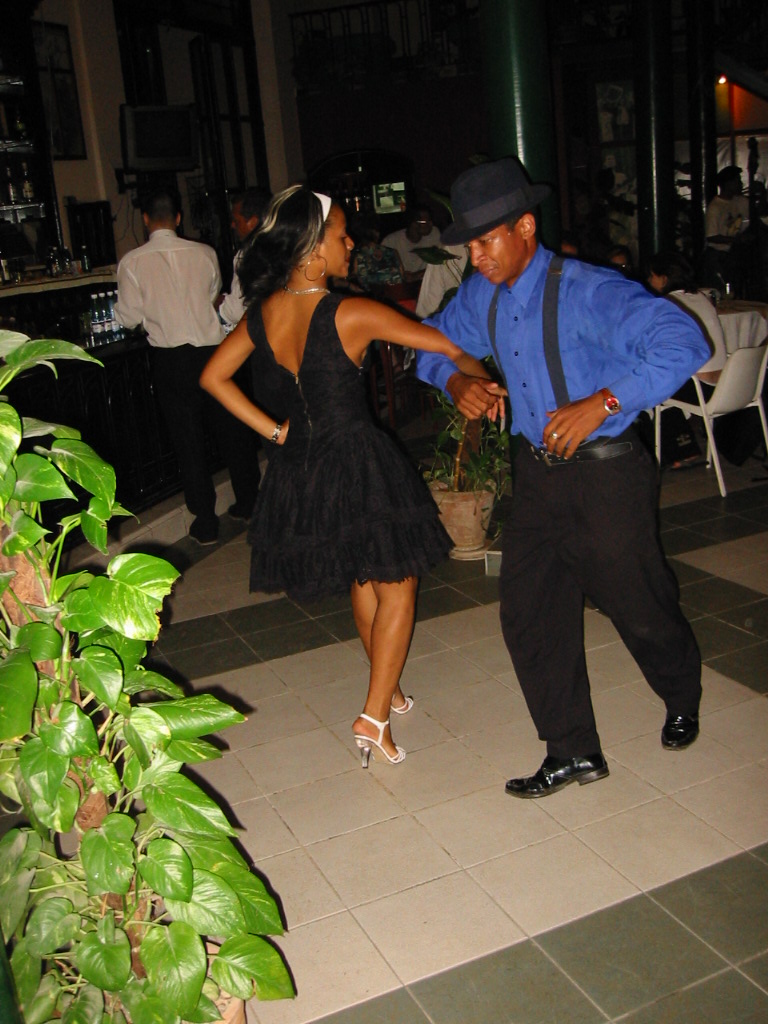
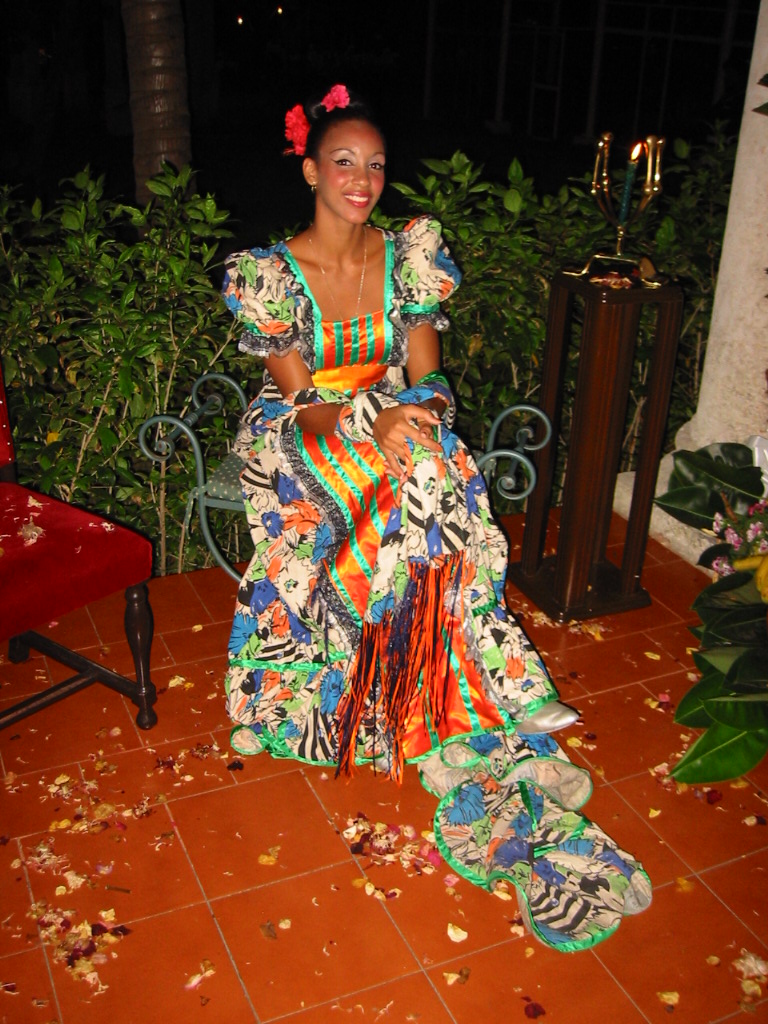
Salsa dancing


 Vår vidunderlige verden