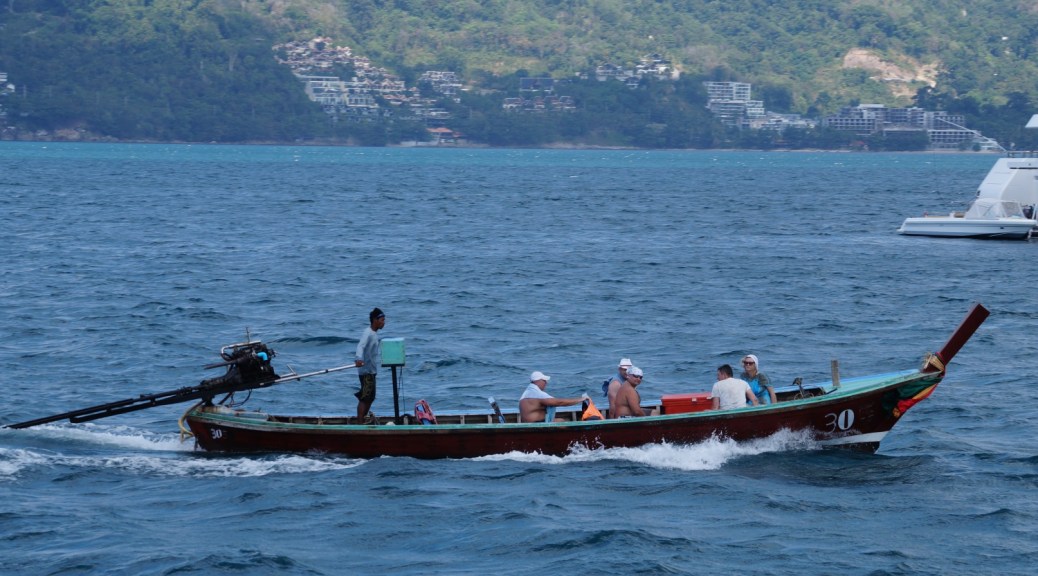
Asia is both the largest and most populous part of the world, and consists of the eastern part of the continent of Eurasia with adjacent islands. Asia covers about 30 percent of the Earth’s land mass, and has close to 60 percent of the Earth’s population.
The first organized civilizations to arise in Asia were in the area known as the «Fertile Crescent» in the Middle East. Agriculture was developed here for the first time, and important domestic animals such as the cow were domesticated. Agriculture formed the economic basis for the city-states. China early became the world’s most advanced nation-state. Already around the time of Christ’s birth, the Chinese had developed gunpowder, the art of printing and the value added tax.
In the 7th century, there were several large kingdoms in Asia. The largest of them was the Arab Caliphate which stretched from present-day Pakistan in the east to Spain in the west. In the 14th century, the Mongols created the largest empire that has ever existed apart from the Soviet Union. Chieftain Genghis Khan unified the Mongols in the early 13th century. He then attacked the neighboring peoples and defeated them one by one. At the beginning of modern times, China, the most advanced country in Asia, was on par with the European countries in terms of social organization and technological development. (Wikipedia).
After the Second World War, a large number of countries in Asia became independent. But even after liberation, few Asian countries lived in democracies. India was an important exception, and the country can still call itself the world’s largest democracy. Japan, Taiwan and South Korea also got relatively democratic systems of government early on. Over the past 50 years, several countries in Asia have experienced the transition from economic poverty to prosperity. The transition has occurred fastest and strongest in Japan, South Korea and Singapore, which today are among the world’s most prosperous countries. Several other countries in East Asia, such as Thailand, Indonesia and Malaysia, have also experienced increasing wealth.
In the late 1980s and early 1990s, Japan’s economy was almost as large as the rest of the continent combined. By 1995, Japan’s economy was the size of the United States’ and had reached its peak. Since then, the Japanese currency has stabilized and China has grown into the second largest economy in Asia. It is estimated that China will overtake Japan in 2030.
Asia is rich in natural resources such as oil and iron. There is high productivity in agriculture, especially the cultivation of rice, enabling a high population density in the hot and humid parts of the continent. 90% of all rice is produced in Asia. Other important agricultural products are wheat and chicken. Fish is an important food resource, especially in Japan. Also, forestry is a major industry in most of Asia except the southwestern and central parts. (Wikipedia; Google translated).
In connection with the cruise, we have visited several countries in Asia such as; Japan, China, South Korea, Malaysia, Singapore, Vietnam, Thailand, India, Sri Lanka, Oman and the United Arab Emirates, as well as that we have visited several cities and places in the individual countries here. The countries, cities and places are mentioned with a short info and with photos we have taken on our travels – and which can be found in connection with the page here in our blog.
For us, all the countries, cities and places in Asia are a special experience as they can be different. We experienced that the countries are unique in their own way in relation to nature, culture, geography, population density and economy and more. We have visited some of the countries several times – such as Singapore, China, Thailand, Oman and the United Arab Emirates. We have a desire to go back to several of them – including Japan, Malaysia, Vietnam and Singapore.
Norsk:
Asia er både den største og mest folkerike verdensdelen, og består av den østlige delen av kontinentet Eurasia med tilliggende øyer. Asia dekker omtrent 30 prosent av jordens landmasse, og har nær 60 prosent av jordens befolkning.
De første organiserte sivilisasjoner som oppstod i Asia, var i området som kalles «den fruktbare halvmåne» i Midtøsten. Her ble landbruk utviklet for første gang, og viktige husdyr som kua ble temmet. Landbruket dannet det økonomiske grunnlaget for bystatene. Kina ble tidlig verdens mest avanserte nasjonalstat. Allerede rundt Kristi fødsel hadde kineserne utviklet kruttet, trykkekunsten og merverdiavgiften.
På 700-tallet fantes det flere store riker i Asia. Det største av dem var det arabiske kalifatet som strakte seg fra det nåværende Pakistan i øst, til Spania i vest. På 1300-tallet skapte mongolene det største rike som noensinne har eksistert bortsett fra Sovjetunionen. Høvdingen Djengis Khan forente mongolene tidlig på 1200-tallet. Siden angrep han nabofolkene og beseiret dem ett etter ett. Ved inngangen til moderne tid var Kina, det mest avanserte landet i Asia, helt på høyden med de europeiske landene hva angår sosial organisering og teknologisk utvikling. (Wikipedia).
Etter den andre verdenskrig har en lang rekke land i Asia blitt selvstendige. Men selv etter frigjøringen var det få asiatiske land som levde i demokratier. India var et viktig unntak, og landet kan fremdeles kalle seg verdens største demokrati. Også Japan, Taiwan og Sør-Korea fikk relativt demokratiske styresett tidlig. Flere land i Asia har i løpet av de siste 50 årene opplevd overgangen fra økonomisk fattigdom til velstand. Overgangen har skjedd raskest og sterkest i Japan, Sør-Korea og Singapore, som i dag er blant verdens aller mest velstående land. Også flere andre land i Øst-Asia, som Thailand, Indonesia og Malaysia har opplevd økende rikdom.
På slutten av 1980 og tidlig på 1990-tallet var Japans økonomi nesten like stor som resten av kontinentet tilsammen. I 1995 var Japans økonomi på størrelse med USAs og hadde nådd sitt høydepunkt. Siden da har den Japanske valutaen stabilisert seg og Kina har vokst til den nest største økonomien i Asia. Det er beregnet at Kina vil passere Japan i 2030.
Asia er rikt på naturressurser som olje og jern. Det er høy produktivitet innen jordbruk, spesielt dyrking av ris, noe som muliggjør en høy befolkningstetthet i de varme og fuktige delene av kontinentet. 90 % av all ris produseres i Asia. Andre viktige jordbruksprodukter er hvete og kylling. Fisk er en viktig matvareressurs, spesielt i Japan. Dessuten er skogbruk er en stor næring i mesteparten av Asia bortsett fra de sørvestre og sentrale delene. (Wikipedia).
Vi har i forbindelse med cruise besøkt flere land i Asia som; Japan, Kina, Sør-Korea, Malaysia, Singapore, Vietnam, Thailand, India, Sri Lanka, Oman og De Forente Arabiske Enheter, samt at vi har besøkt flere byer og steder i de enkelte landene her. Landene, byene og stedene blir omtalt med en kort info og med bilder vi har tatt på våre reiser – og som finnes i tilknytning til siden her i bloggen vår.
For oss var alle landene, byene og stedene i Asia er en spesiell opplevelse da de kan være forskjellige. Vi opplevde at landene er unike på sine vis i forhold til natur, kultur, geografi, befolkningstetthet og økonomi med mer. Enkelte av landene har vi besøkt flere ganger – som Singapore, Kina, Thailand, Oman og De Forente Arabiske Emirater. Vi har et ønske om å dra tilbake til flere av dem – blant annet til Japan, Malysia, Vietnam og Singapore.
 Vår vidunderlige verden