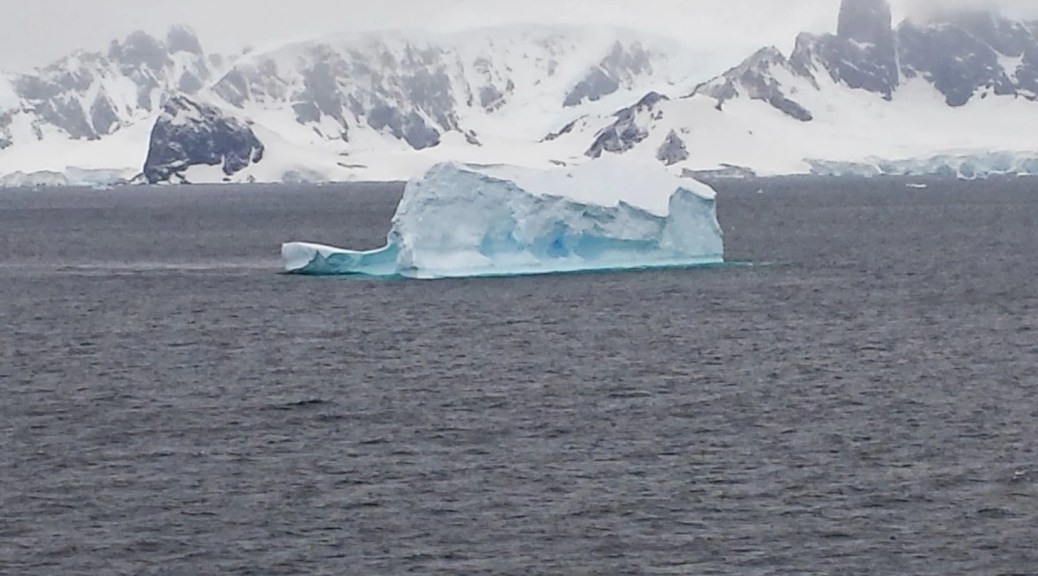
We have heard and read a lot about Antarctica and were fascinated by this desolate and frozen continent. We were also aware that Norway participated in whaling in the Southern Ocean, where the main base was on South Georgia, which is located on the coast of Antarctica. Whaling had its heyday from 1904 – 1965. We therefore looked forward to getting there with great excitement – at the same time we were excited about how the sea journey across the ocean from Ushuaia to Antarctica would be. We are aware that there can be tough conditions with big waves and lots of wind in this sea area. Antarctica is the area around the South Pole. The name comes from the Greek compound word Antarctica, which means «reverse of the Arctic». (Google). Antarctica, also called the South Pole mainland or the Antarctic continent, is the southernmost continent on Earth. Antarctica is part of the Antarctic continent, which also includes the ocean areas surrounding the continent. About 98% of Antarctica is covered by ice with an average thickness of at least 1.6 kilometers. Antarctica is the coldest, windiest and driest continent on Earth, and is also colder than the Arctic. The Russian station Vostok has measured the lowest air temperature down to – 89.2 degrees Celsius inside the Antarctic continent. (Wikipedia; Google translated).
Norsk:
Vi har hørt og lest en del om Antarktis og var fasinert over dette øde og islagte kontinentet. Dessuten var vi kjent med at Norge deltok i hvalfangsten i Sørishavet, hvor hovedbasen var på Sør-Georgia som ligger på kysten av Antarktis. Hvalfangsten hadde sin storhetstid fra 1904 – 1965. Vi så derfor med stor spenning på å komme dit – samtidig var vi spente på hvordan sjøreisen over havområdet fra Ushuaia til Antarktis ville bli. Vi er jo kjent med at det kan være tøffe forhold med store bølger og mye vind i dette havområdet. Antarktis er området rundt Sørpolen. Navnet kommer fra det greske sammensatte ordet Antarktike, som betyr» «omvendt av Arktis».(Google). Antarktika, også kalt Sydpol-fastlandet eller Det Antarktiske kontinent, er jordens sydligste kontinent. Antarktika er en del av verdensdelen Antarktis, som også omfatter havområdene rundt kontinentet. Omtrent 98 % av Antarktika er dekket av is med en gjennomsnittlig tykkelse på minst 1,6 kilometer. Antarktika er det kaldeste, mest forblåste og tørreste kontinentet på jorden, og er også kaldere enn Arktis. Den russiske stasjonen Vostok har målt den laveste lufttemperaturen ned til – 89,2 kuldegrader inne på det Antarktiske kontinentet. (Wikipedia).
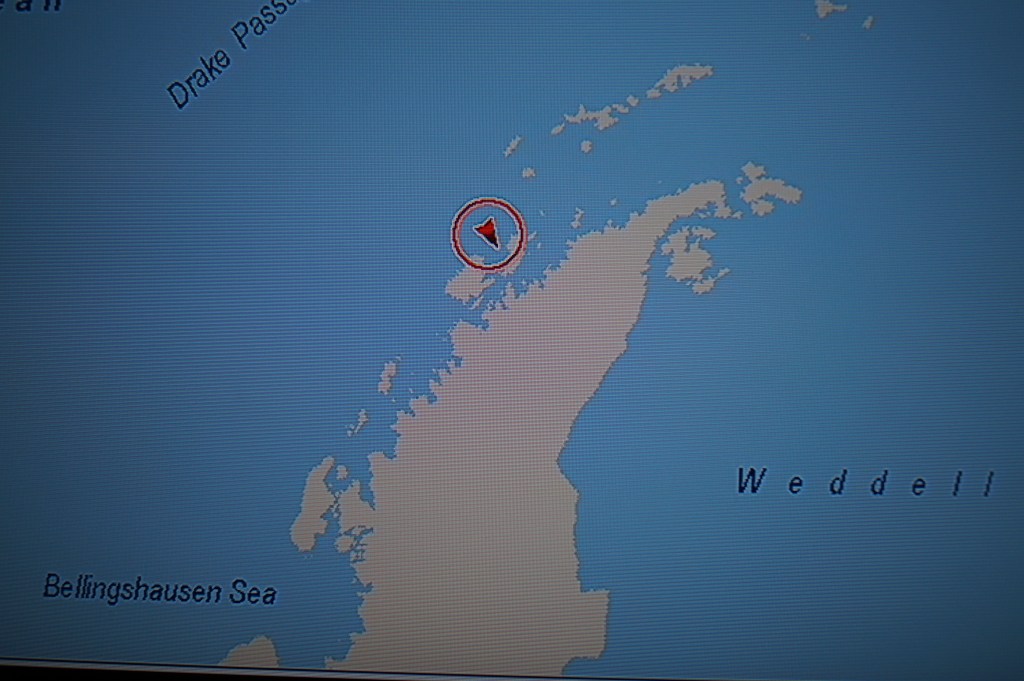





Gerlache Strait
Gerlache Strait is a strait that separates the Antarctic Archipelago from the Danco Coast on the Antarctic Peninsula. The Belgica expedition was a Belgian expedition to the coast of the Antarctic Peninsula between 1897 and 1899. The leader of the expedition was the Belgian Adrien Gerlache, while the young and currently unknown Roald Amundsen served as ship’s officer. The Belgica expedition is considered one of the most significant and important expeditions to Antarctica. Adrien Gerlache had the strait named after him. (Wikipedia; Google translated).
Norsk:
Gerlache Strait er et sund som skiller Det antarktiske arkipel fra Danco Coast på Antarktishalvøya. Belgica-ekspedisjonen var en belgisk ekspedisjon til kysten av Antarktishalvøya mellom 1897 og 1899. Leder av ekspedisjonen var belgieren Adrien Gerlache, mens den unge og foreløpig ukjente Roald Amundsen tjenestegjorde som skipsoffiser. Belgica-ekspedisjonen regnes som en at de mest betydningsfulle og viktigste ekspedisjoner til Antarktis. Adrien Gerlache fikk stredet oppkalt etter seg. (Wikipedia).
Paradise Bay
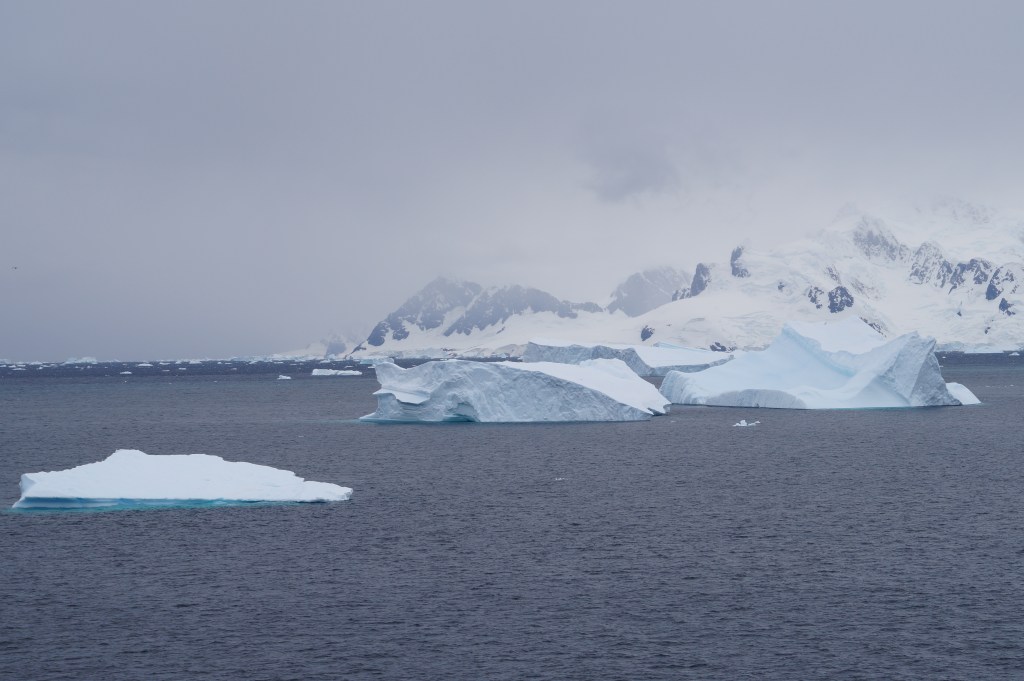
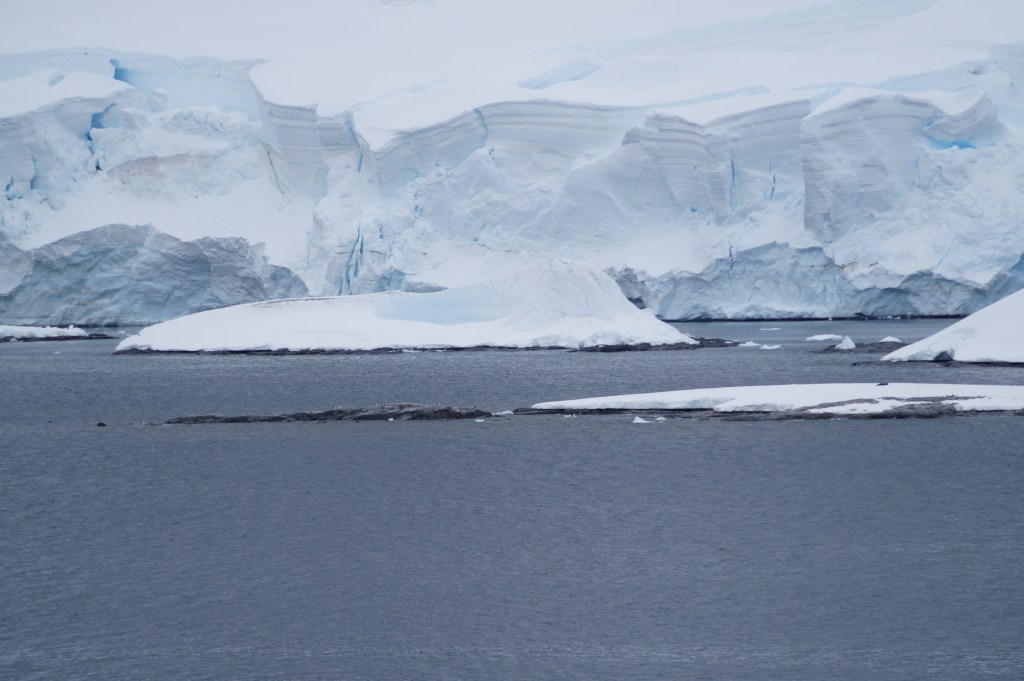
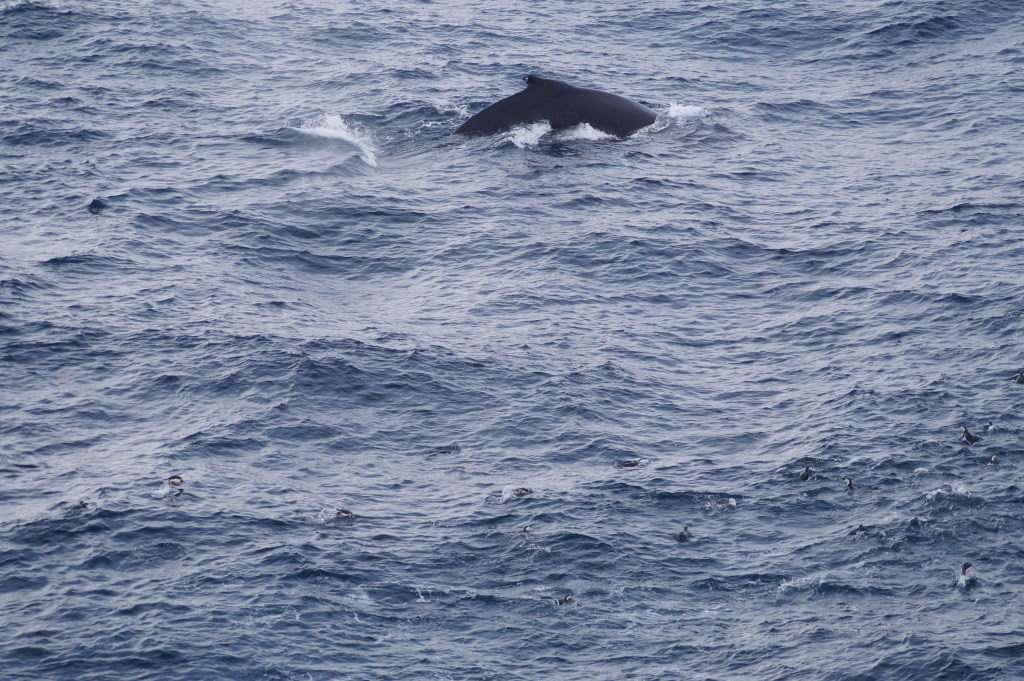
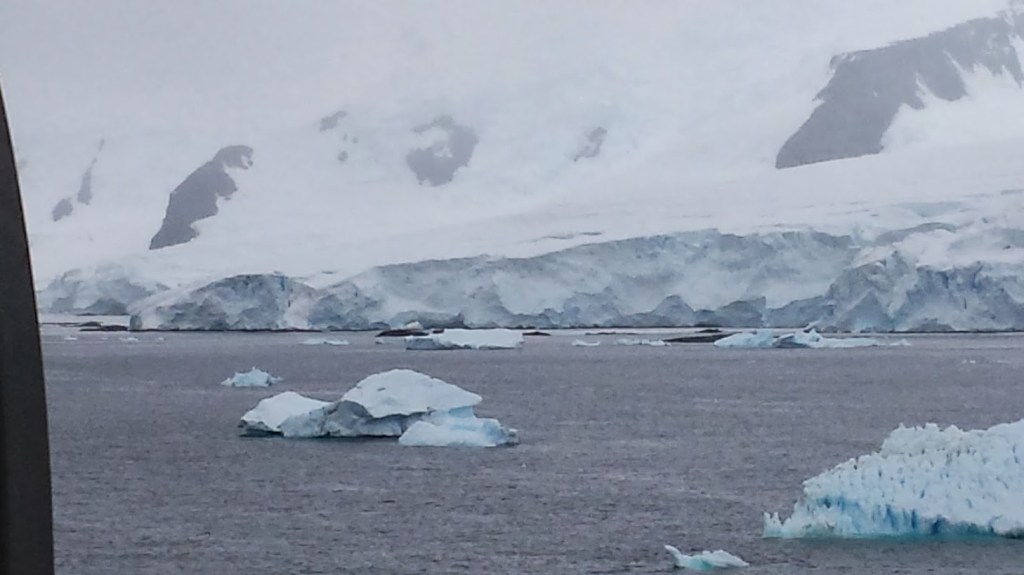
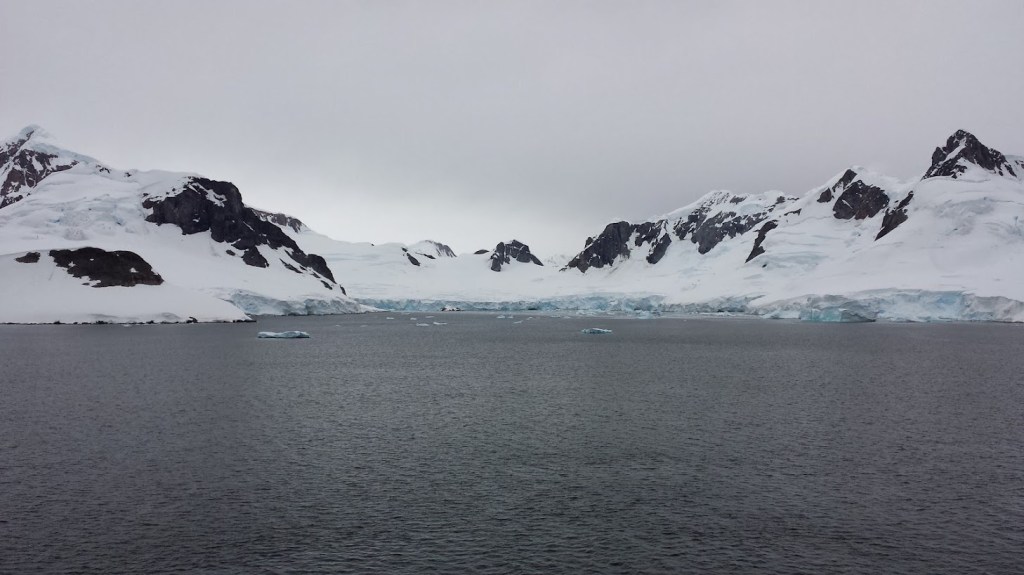
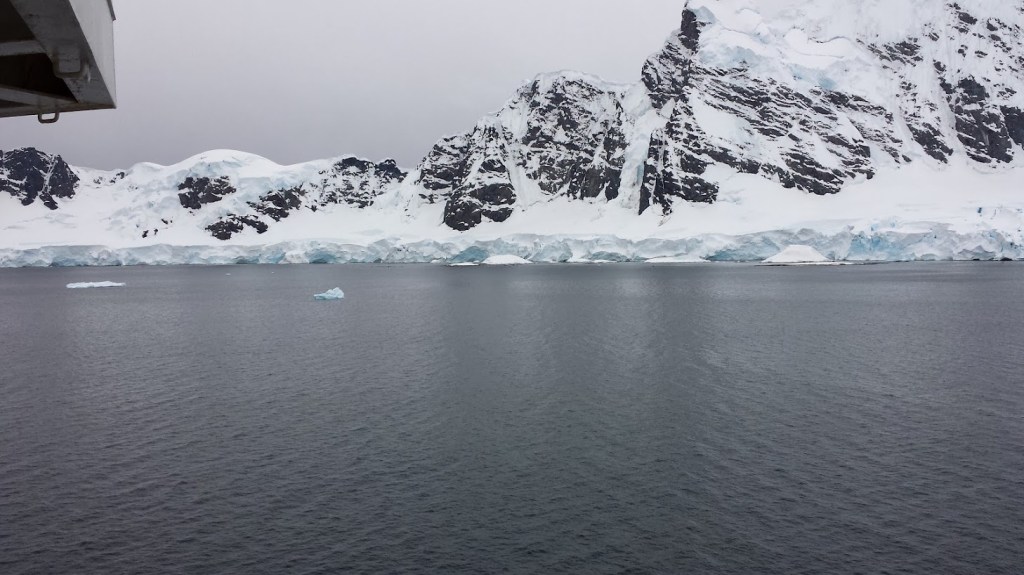
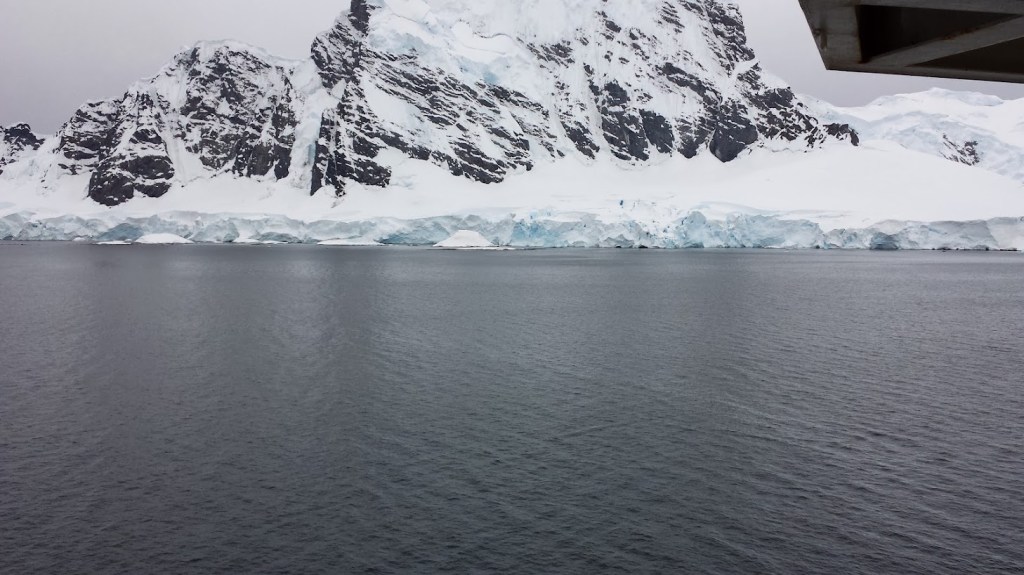
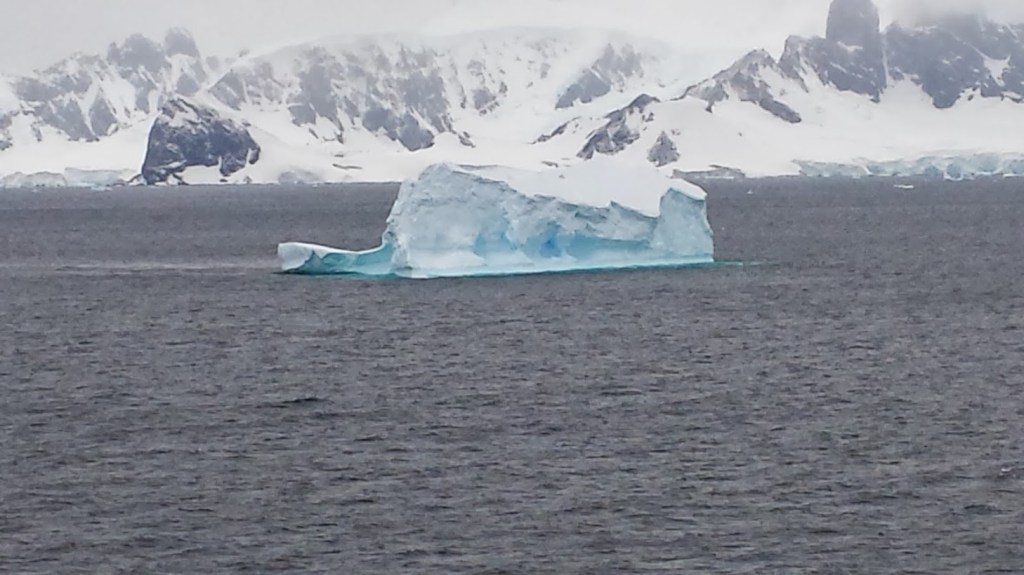
Paradise Bay or «Paradise Harbour» is a bay on the Arctic Peninsula that is frequently used by cruise ships. The bay is surrounded by high mountains and calving glaciers. The name «Paradise Harbour» was given by the whalers in the early 1920s, but is mostly called Paradise Bay. It was a wonderful experience of silence and overwhelming nature experiences with icebergs, calving glaciers, penguins swimming from small icebergs and whales that came up to breathe. It was an adventurous journey to Antarctica that we would never have been without.
Norsk:
Paradise Bay eller «Paradise Harbour» er en bukt på Den Arktiske halvøy som er flittig benyttet av cruiseskip. Bukta er omgitt av høye fjell og kalvende isbreer. Navnet «Paradise Harbour» ble gitt av hvalfangerne tidlig på 1920 – tallet, men kalles for det meste Paradise Bay. Det var en fantastisk opplevelse av stillhet og overveldende naturopplevelser med isfjell, kalvende isbreer, pingviner som badet fra små isfjell og hval som var opp for å puste. Det var en eventyrlig reise til Antarktis som vi aldri ville vært foruten.


 Vår vidunderlige verden